


Merdeka Spirit: Exploring Malaysia’s Heritage Towns and Stories
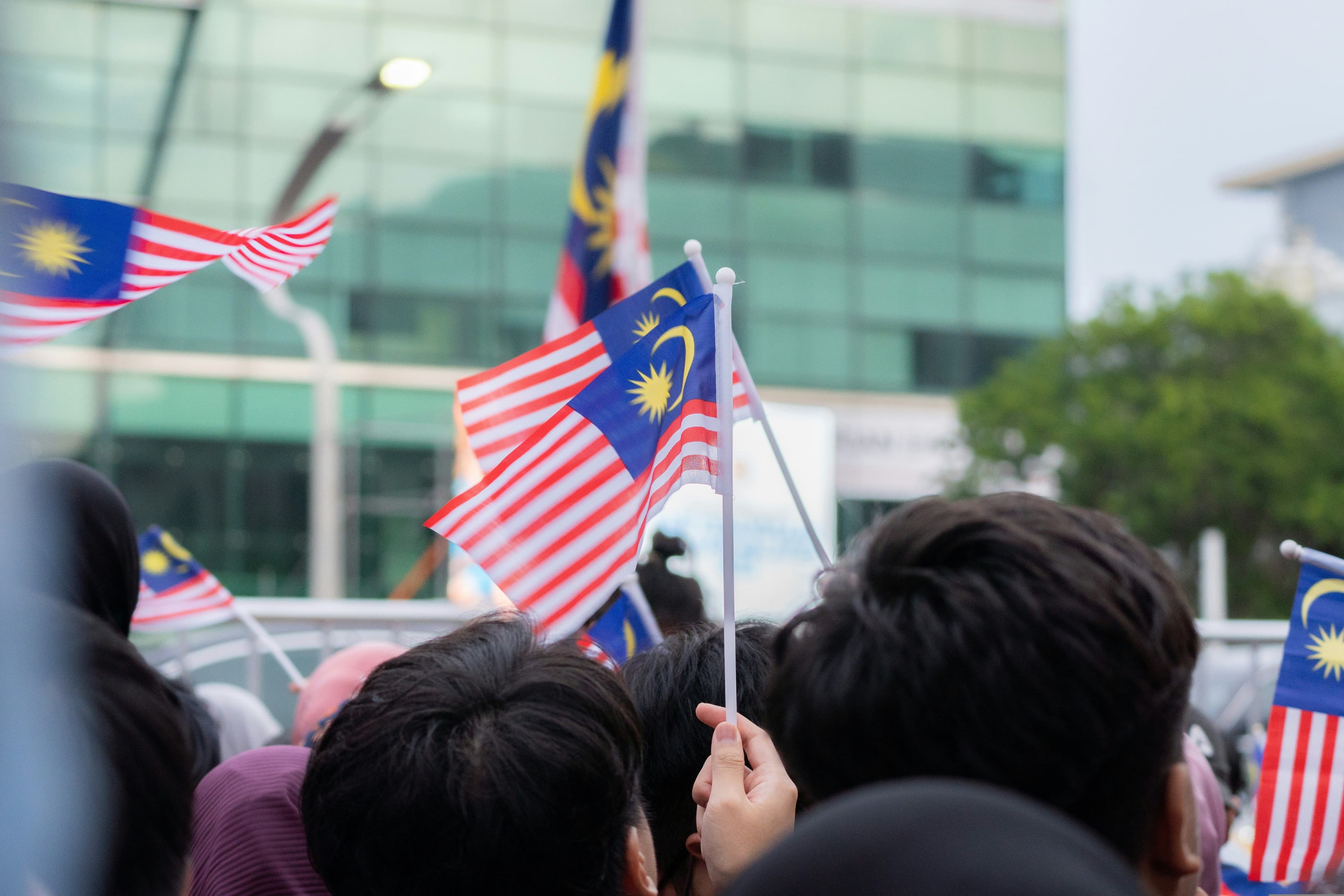
Every August, Malaysia comes alive with flags on every street corner, patriotic songs drifting from radios, and neighbours gathering the way they have for decades to mark Merdeka. But if you look past the parades, there's a much richer story waiting. Merdeka was never just a date circled on the calendar. It's a story still being written today, one you'll find in old shophouses and quiet town squares, in family recipes passed down for generations, and in the everyday rhythms of communities across the country.
For travellers, that's exactly what makes Merdeka such a rewarding time to explore Malaysia. Rather than ticking off the usual landmarks, it's an invitation to wander into the towns and streets where history hasn't been tucked away in a museum but is still very much alive, still being talked about over coffee, still shaping how people live. These heritage towns aren't just pretty backdrops for photos. Think of them as living archives, holding onto memories, cultural crossovers, local legends, and the small moments that quietly built a nation.
And with Visit Malaysia 2026 in full swing, it's the perfect excuse to trade a bit of sightseeing for something deeper. Some of these places are already well loved, others are the kind you stumble on almost by accident, but each one has something honest to say about the journey that brought Malaysia to where it is now.
Understanding the Merdeka Spirit Through Travel
Preview
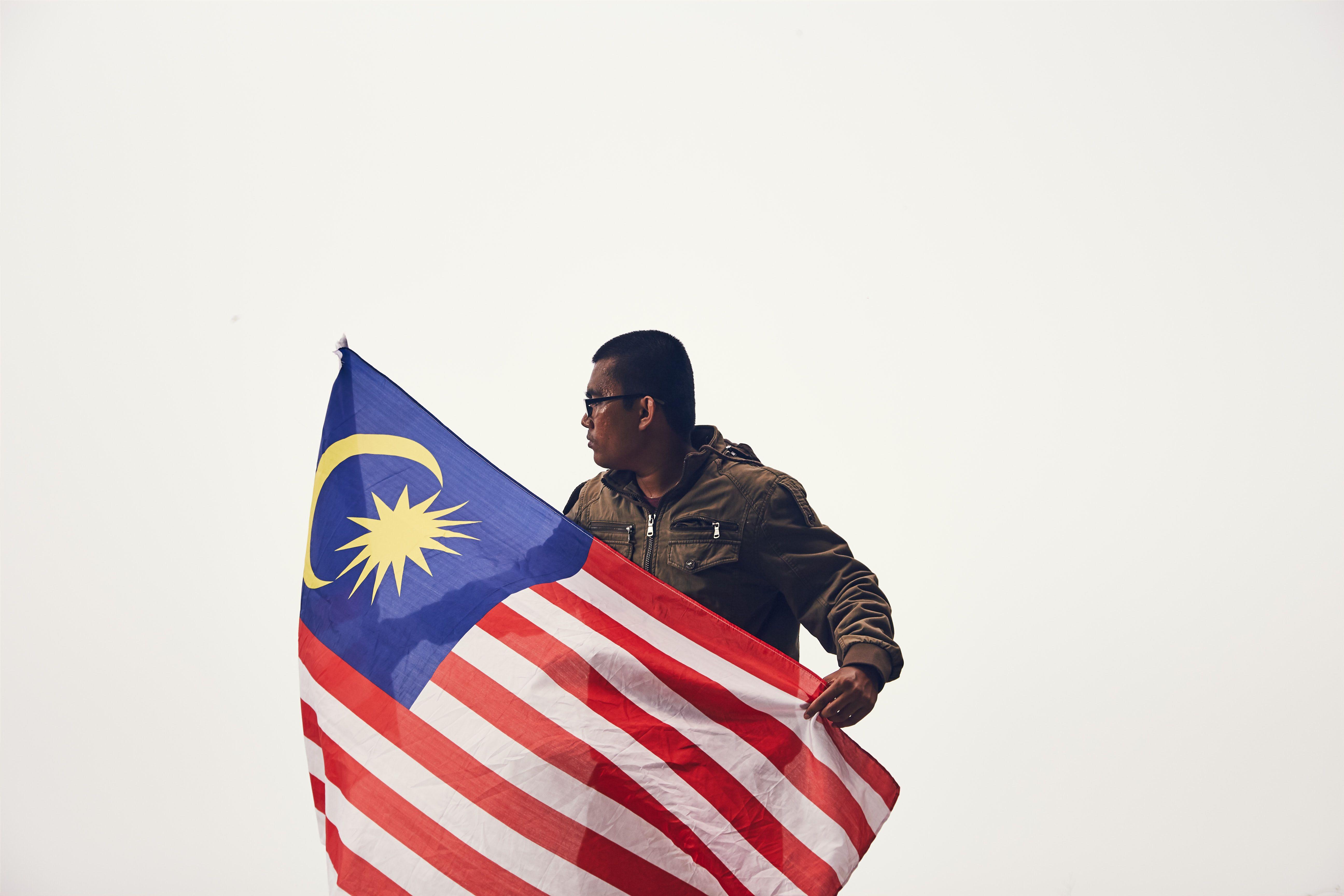
When Malaysia declared independence on 31 August 1957, it wasn't really an ending; it was the first page of a much longer story. Because the true spirit of Merdeka runs deeper than that one historic day.
You find it in resilience. In communities that kept their traditions alive through decades of change. In multicultural neighbourhoods where different cultures didn't just coexist but genuinely grew together. In towns that lived through economic booms, colonial handovers, waves of migration, and the slow, steady work of nation-building.
Travel through Malaysia's heritage towns long enough, and you start to realise independence was never only about political history. It's about identity. About belonging. About the shared experiences that quietly stitch a country together. And every town, it turns out, has its own chapter to add to that story.
Malacca: Where Centuries Meet in a Single Street
Preview
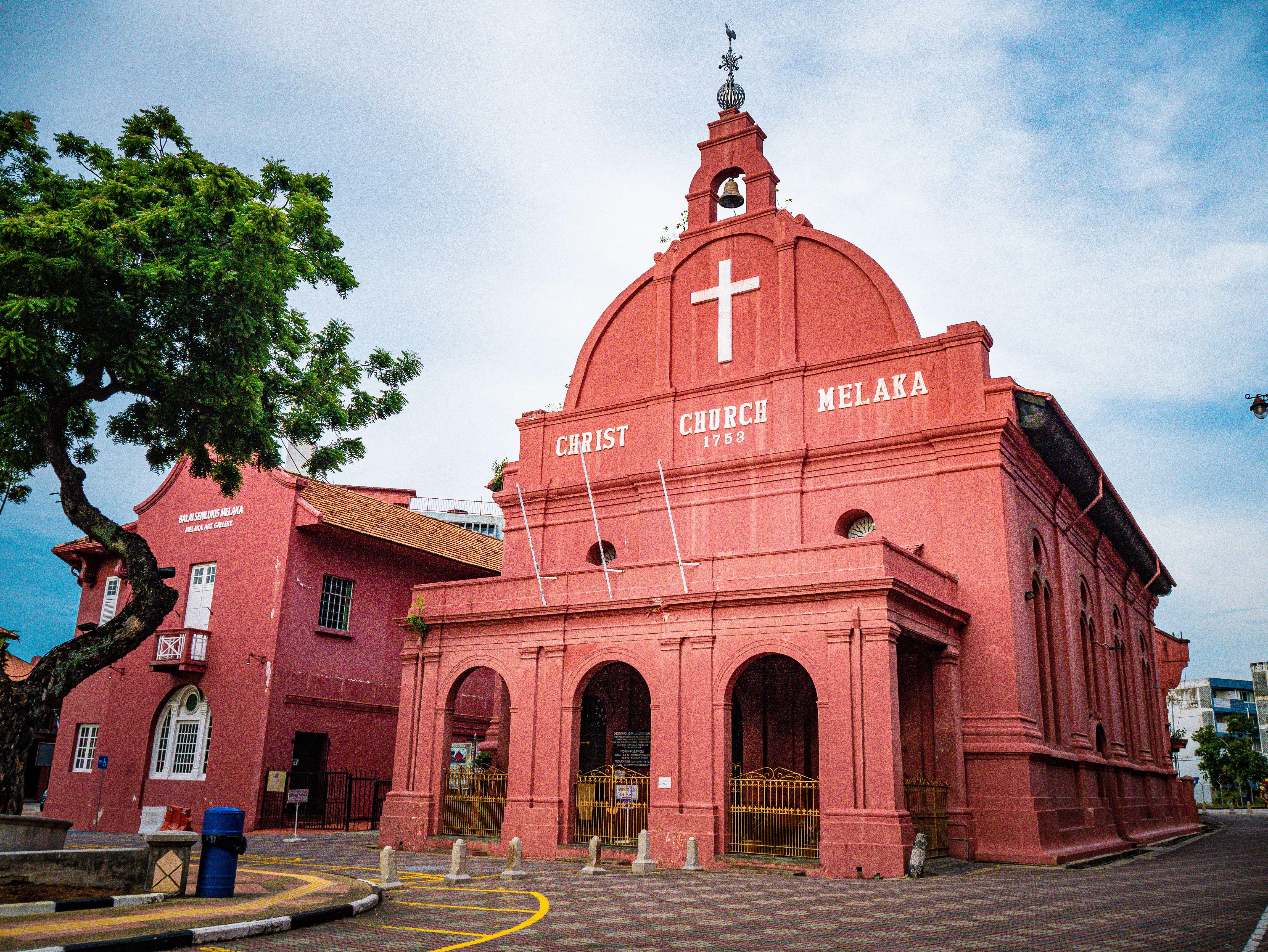
If there's one place that captures Malaysia's whole historical journey in a single walk, it's Malacca. For over five hundred years, this small coastal city was one of Asia's busiest trading ports, and ships from China, India, Arabia, Europe, and across Southeast Asia all dropped anchor here at some point, each leaving behind a little piece of themselves that's still visible today.
Wander through the old town, and you're basically walking through layers of time. Dutch buildings sit shoulder to shoulder with Chinese shophouses. Portuguese touches show up where you least expect them. And Peranakan culture, that rich blend of Chinese and Malay traditions, still quietly shapes the food, the architecture, and the customs of daily life here. Most visitors, understandably, stick to the well-known landmarks and call it a day.
But there's a quieter story tucked just behind the main streets, in a network of hidden courtyards behind the old heritage buildings. These were once private family spaces, where recipes were tested, traditions were taught, and cultural practices were handed from one generation to the next, away from public eyes. Some of these courtyards remain almost untouched today. They're a good reminder that history doesn't only live in grand monuments. Sometimes it survives in the most ordinary corners of everyday life.
Kuala Kangsar: The Royal Town Many Travellers Overlook
Preview
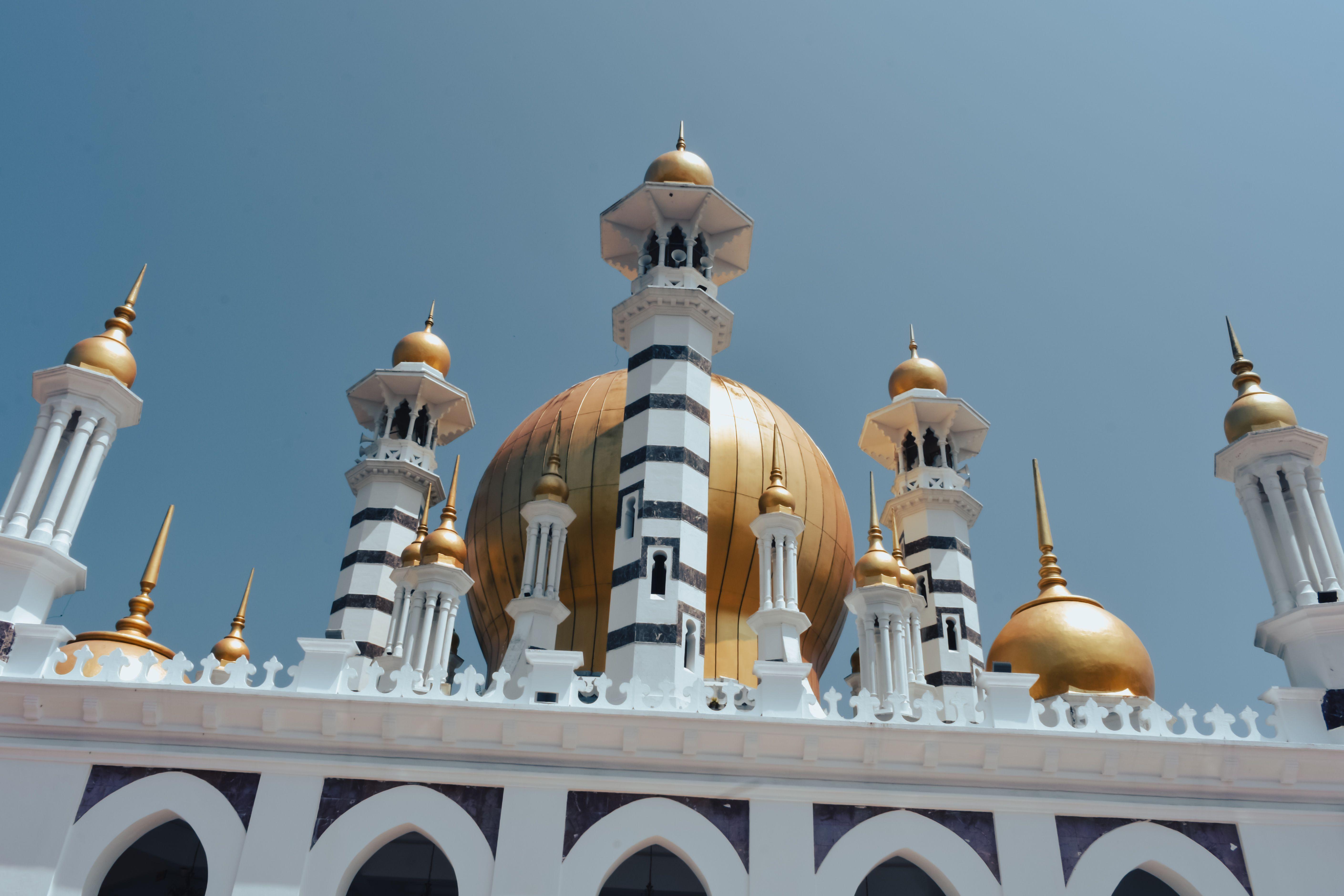
While Melaka and George Town soak up most of the international spotlight, Kuala Kangsar has been quietly holding onto one of Malaysia's most fascinating heritage landscapes, almost as if it prefers not to be found too easily. As the royal town of Perak, it offers a completely different lens on Malaysian history. Here, graceful colonial buildings sit comfortably alongside royal palaces and traditional Malay architecture, and the whole town carries an air that feels both refined and genuinely lived in.
One story that doesn't get told often enough is the town's part in the rise of Malaysia's rubber industry. Back in the late nineteenth century, Kuala Kangsar became closely tied to the spread of rubber cultivation, an industry that would go on to reshape the country's entire economy.
Traces of that era are still woven into the town today, if you know to look for them. Unlike the bigger, better-known destinations, Kuala Kangsar isn't the kind of place that hands you its stories right away. It rewards visitors who slow down, the kind who wander without an agenda, strike up conversations, and let the architecture and local traditions do the talking in their own time.
Taiping: The Town That Introduced Modern Malaysia
Preview
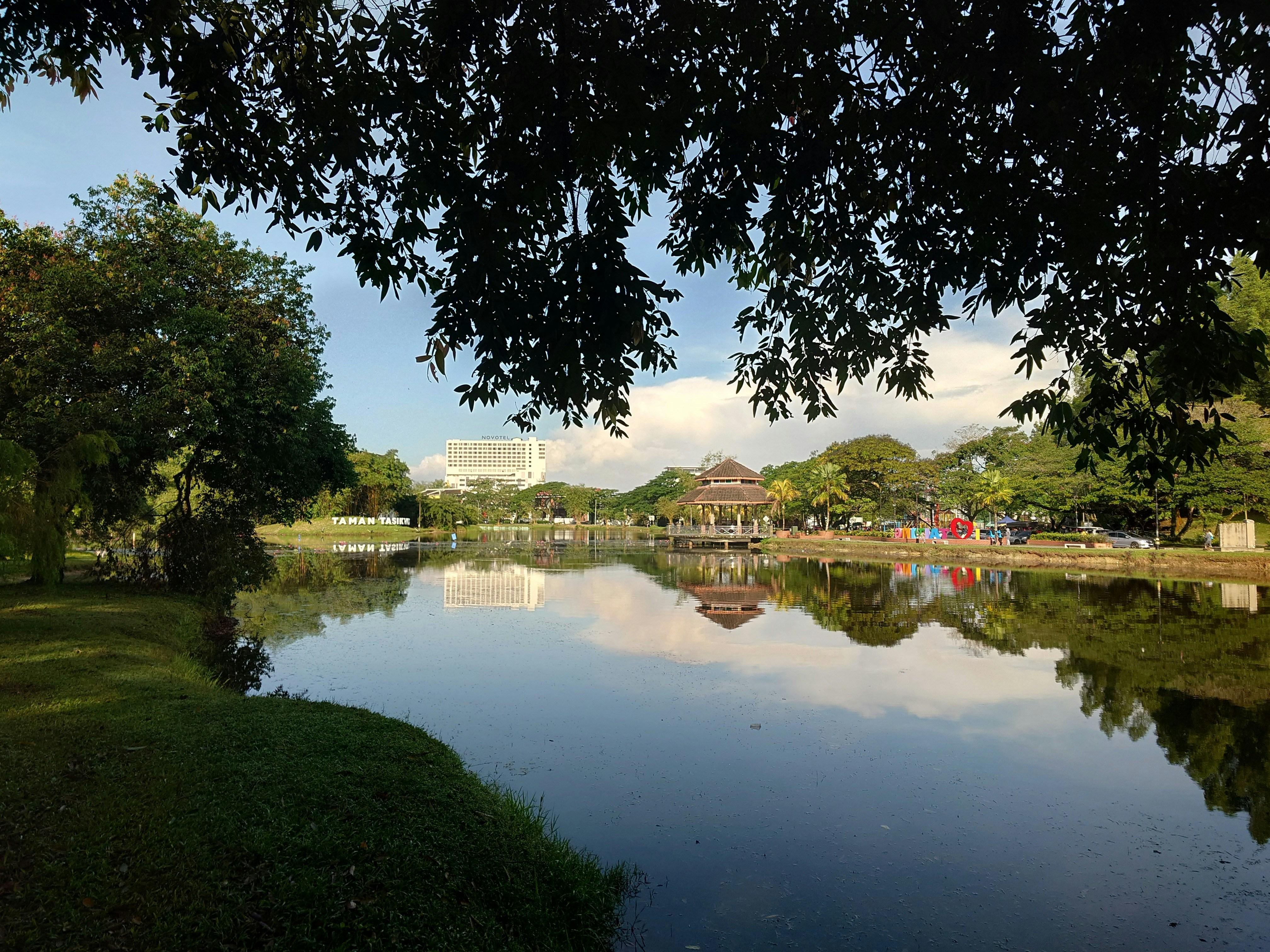
Most Malaysians know Taiping for its lovely lake gardens, but far fewer realise just how much this town shaped modern Malaysia. Taiping quietly racked up an impressive list of firsts: the country's first public park, first railway line, first museum, first post office. During the tin mining boom of the nineteenth century, it grew into one of the most important settlements in all of Malaya. And remarkably, a lot of that heritage is still standing today.
The colonial buildings have held up beautifully, and the tree-lined roads give the town an atmosphere you won't quite find anywhere else in Malaysia. There's also a curious little detail locals love to mention: Taiping gets an extraordinary amount of rainfall, thanks to the surrounding hills that trap moisture in the air. That rain is exactly why the town feels so lush and green all year round. What you end up with is a heritage town where nature and history have settled into a rare, easy balance with each other.
George Town: More Than Street Art
Preview
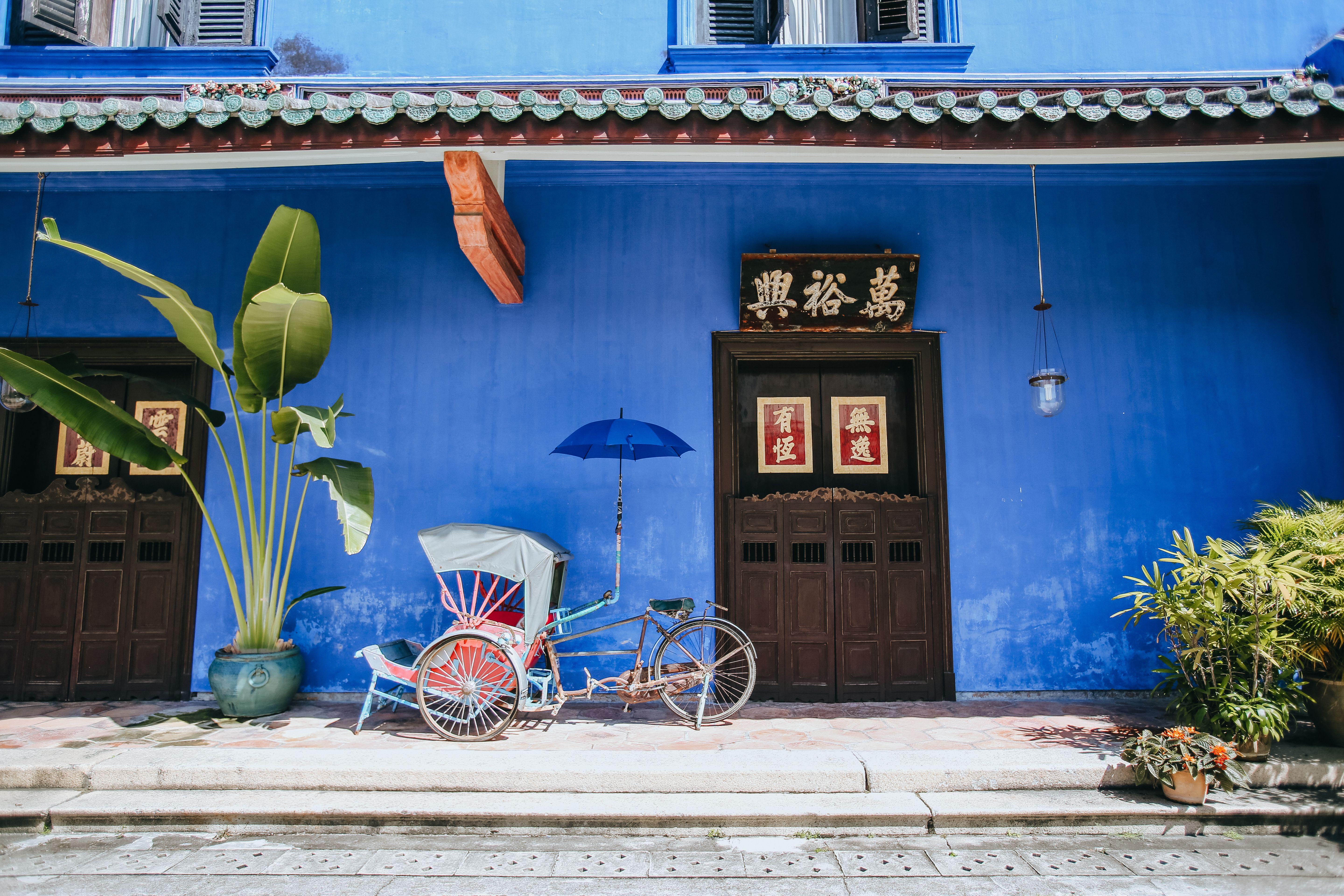
George Town usually gets talked about for its murals, its food, its UNESCO status, and honestly, all of that deserves the hype. But the city's real depth lies somewhere quieter, in its history as a genuine crossroads of cultures. Chinese traders, Indian merchants, Malay communities, Arab entrepreneurs, and European administrators all passed through and, in their own way, helped shape the place George Town would become.
One part of that story that rarely gets the spotlight is George Town's clan houses and guild associations. When migrants arrived in an unfamiliar land, often with little more than hope and a bit of luck, these institutions became their safety net. They offered support, job connections, a way to keep culture and language alive, and a sense of community leadership. Remarkably, many of them are still active today, quiet but living proof that people were building resilience and opportunity long before anything resembling a modern social system ever existed.
Lenggong Valley: The Story Begins Much Earlier
Preview
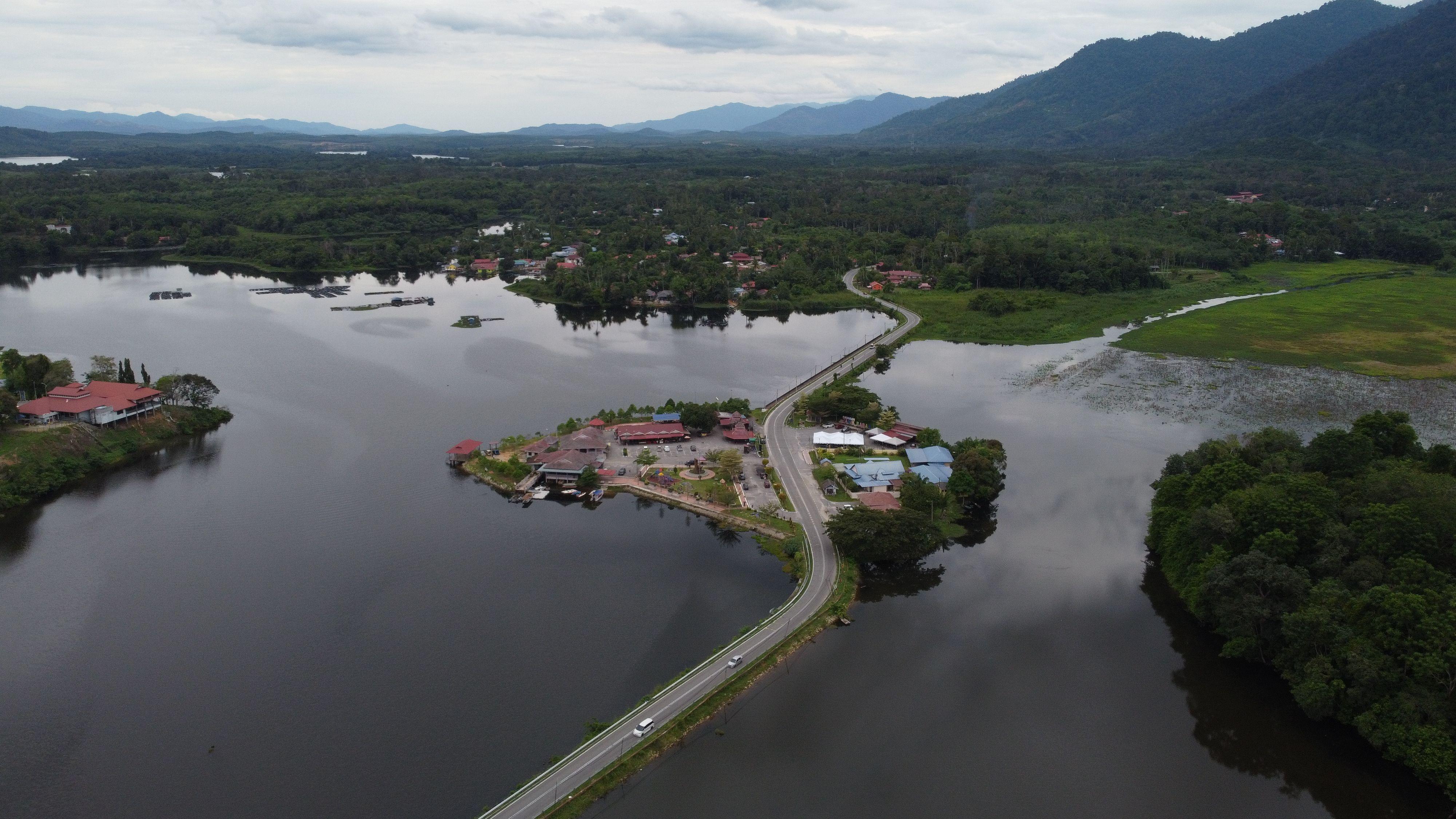
Most conversations about Malaysian heritage tend to stay within the last few centuries, but Lenggong Valley is a good reminder that the story actually goes back much, much further. This UNESCO World Heritage Site holds evidence of human life stretching back tens of thousands of years, and it's here that archaeologists uncovered the famous Perak Man, one of the oldest and most complete human skeletons ever found in Southeast Asia.
What makes Lenggong so special is how understated it still feels. Unlike a lot of major archaeological sites around the world, the valley hasn't lost its calm. You can walk through ancient sites here while rivers, hills, and small rural communities carry on quietly around you, still shaping the landscape the way they always have. It's a genuinely humbling experience, one that puts Malaysia's story into perspective against the much bigger timeline of human civilisation itself.
Muar: Culture, Coffee, and Community
Preview
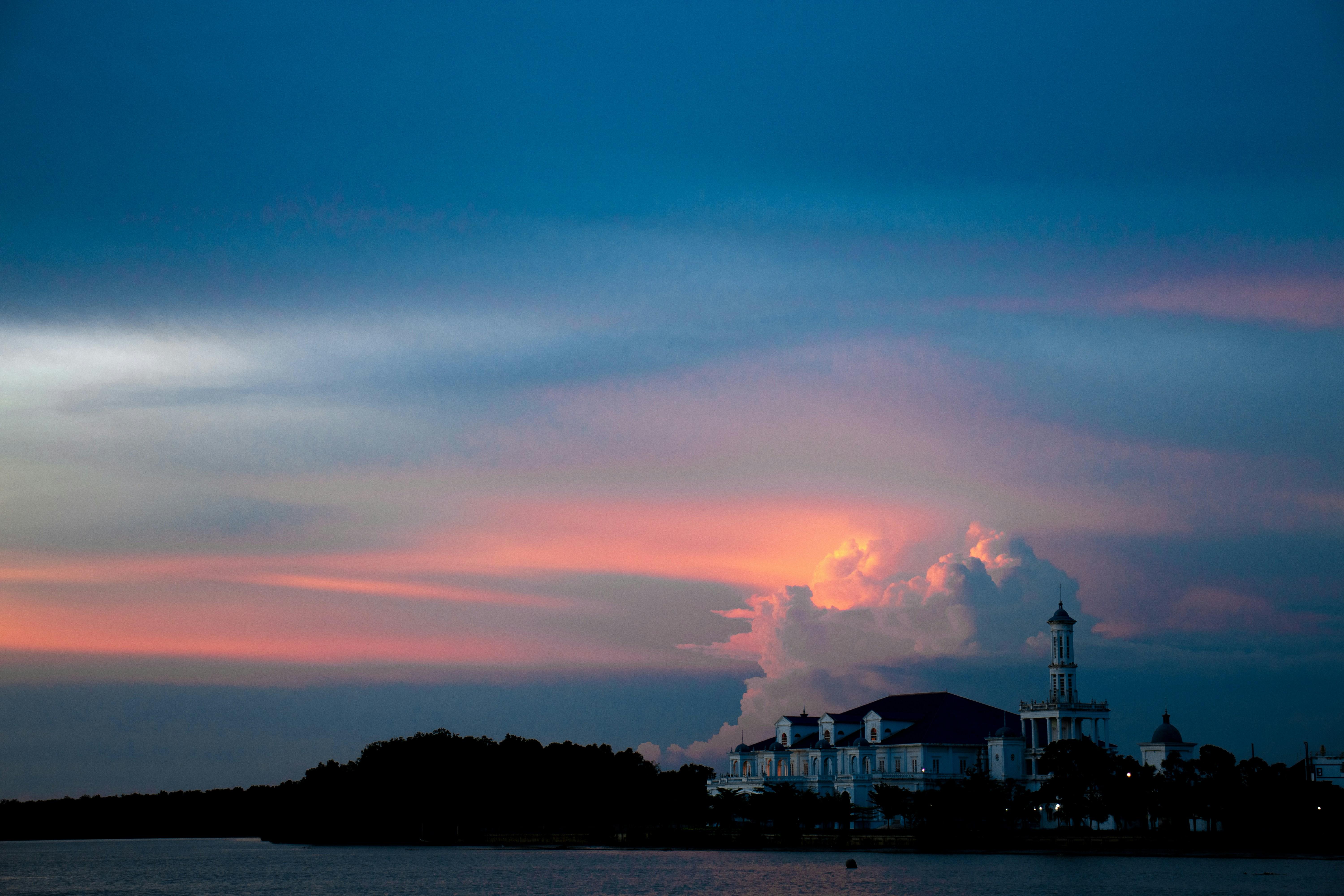
Often overshadowed by larger cities, Muar represents another side of Malaysian heritage. Known for its food, coffee culture, and creative spirit, Muar demonstrates how heritage evolves rather than remaining frozen in time. The town's riverfront played a crucial role in trade and transportation for generations. Meanwhile, its multicultural population contributed to a rich blend of traditions that remain visible today.
One lesser-known fact is that Muar consistently ranks among Malaysia's cleanest and most livable towns. This achievement reflects strong community pride and a commitment to preserving local character. Walking through Muar reveals a town that respects its past while confidently embracing its future.
Heritage Through Food

Preview
Food tells stories that history books sometimes miss. Across Malaysia, recipes preserve cultural memory in remarkable ways. A bowl of laksa may reveal migration patterns. A traditional dessert may reflect centuries of cultural exchange. A family recipe may preserve techniques introduced generations ago. In heritage towns, food becomes a bridge between past and present.
Local markets, family-owned eateries, and traditional cafés often provide insights that formal attractions cannot. Conversations with vendors frequently uncover stories about communities, traditions, and changes that shaped the area over time. For many travellers, these culinary encounters become among the most memorable parts of a heritage journey.
Practical Tips for Exploring Heritage Towns
- The best heritage experiences rarely happen on a strict schedule.
- Allow extra time for wandering side streets, visiting local markets, and speaking with residents. Some of the most fascinating stories emerge through unexpected conversations rather than planned activities.
- Visit museums, but also spend time observing daily life. Heritage exists not only in preserved buildings but also in traditions, routines, and community spaces.
- Travel slowly whenever possible. Heritage destinations reveal themselves gradually, rewarding curiosity and patience.
- Most importantly, remain open to stories. Every town has them. Sometimes you simply need to listen.
Final Thoughts: Following the Spirit of Merdeka
Preview
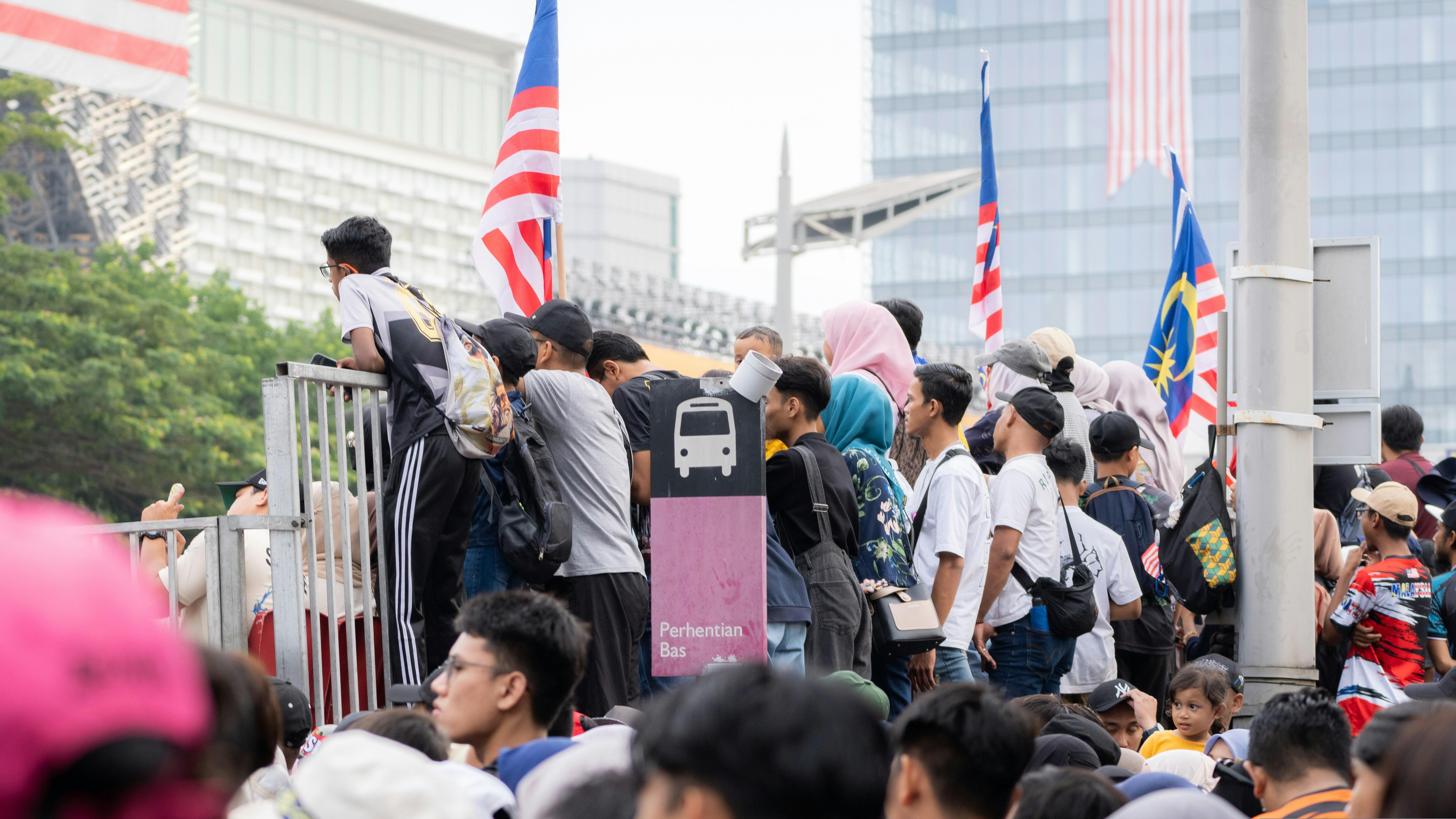
The Merdeka spirit lives in more than monuments and celebrations. It lives in the towns that shaped Malaysia's journey. It lives in communities that preserved their traditions while embracing change. It lives in stories passed from generation to generation, quietly contributing to the nation's identity.
Exploring Malaysia's heritage towns offers more than historical knowledge. It creates understanding. It transforms travel into something deeper than sightseeing. It allows visitors to connect with the people, places, and experiences that continue to shape the country today. To discover curated cultural journeys, heritage experiences, and meaningful travel adventures across Malaysia, visit LAGO Travel and start exploring the stories behind the destinations.