


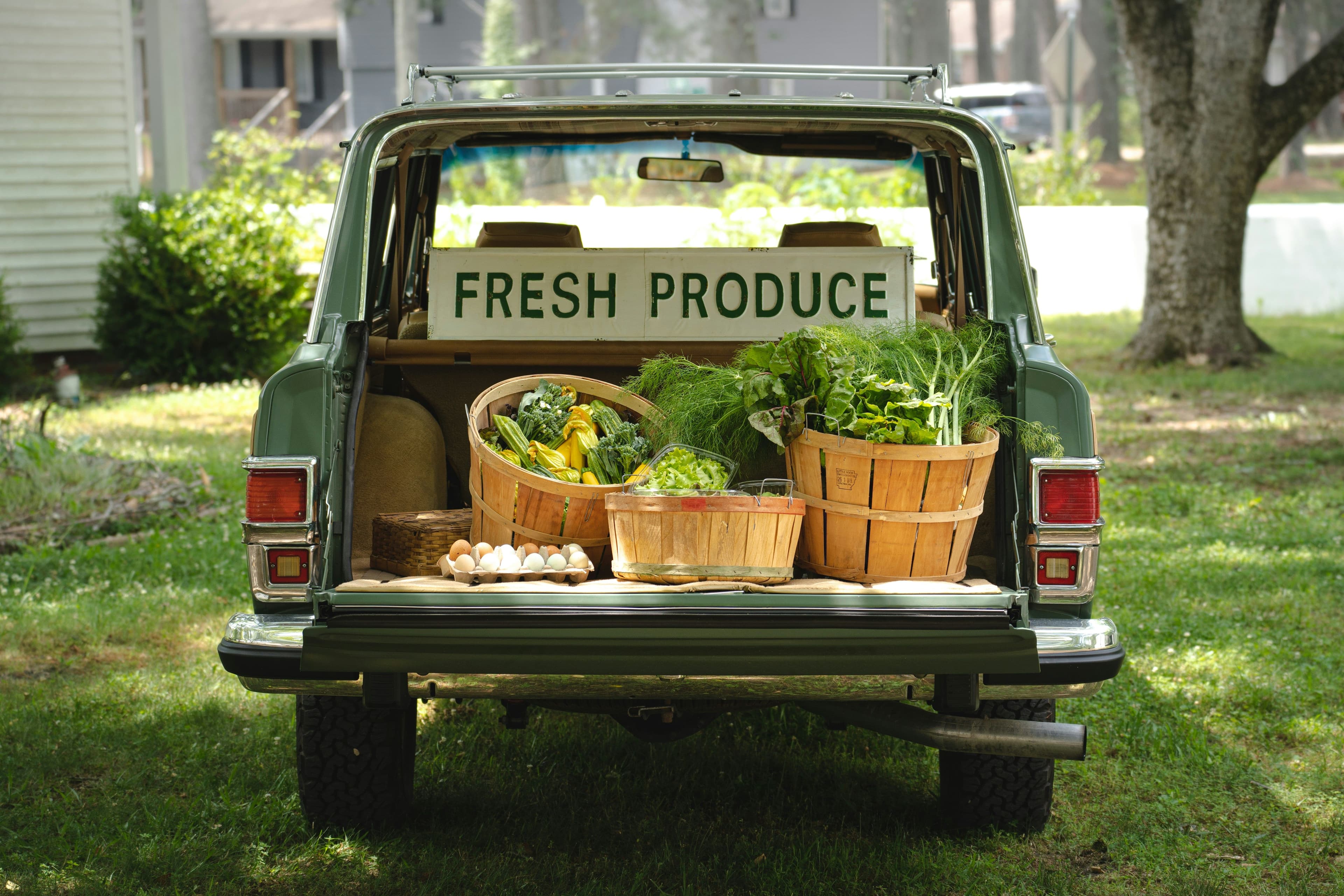
Farm-to-Table Travel in Malaysia: Fresh, Local & Sustainable
Most travellers remember what they ate. Far fewer remember where it came from. But something is shifting in the way people travel. Curiosity no longer stops at the plate. Travellers want to know who grew the vegetables, where the herbs were picked, how the fish made its way to the kitchen, and why certain ingredients only ever show up for a few weeks a year. That curiosity has sparked one of the most rewarding travel movements in years: farm-to-table travel.
In Malaysia, this movement feels less like a trend and more like a homecoming. The country's rich agricultural heritage, fertile highlands, tropical climate, and layered culinary traditions make it a natural playground for anyone chasing food at its source. Here, a meal doesn't have to start on a menu. It can start in a tea plantation at sunrise, in a strawberry patch in the cool air of the Cameron Highlands, or in conversation with a farmer who has worked the same soil for decades. Visitors can harvest their own produce, tour organic farms, meet the people behind the ingredients, and then sit down to a meal cooked just steps from where it grew.
It's an experience that reaches far beyond food. It's a way of reading a landscape, understanding a community, and tasting a tradition. It asks travellers to slow down, pay attention, and appreciate the hands that make every meal possible. With Visit Malaysia 2026 championing richer, more meaningful ways to explore the country, farm-to-table journeys are quickly becoming one of the most compelling reasons to visit.
What Farm-to-Table Means in Malaysia

Preview
In many countries, farm-to-table dining wears a jacket and tie. It belongs to fine dining rooms and luxury tasting menus, the kind of experience that comes with a price tag to match. Malaysia tells a different story. Here, farm-to-table feels less like a concept and more like everyday life. It's authentic, unpretentious, and woven into the fabric of local communities. A meal might trace back to a family-run vegetable farm in the highlands, a small fruit orchard in Johor, an indigenous farming community deep in Borneo, or a fishing village where boats return with the day's catch still glistening. The distance between farm and plate is often startlingly short, sometimes just a few kilometres, sometimes just a few hours.
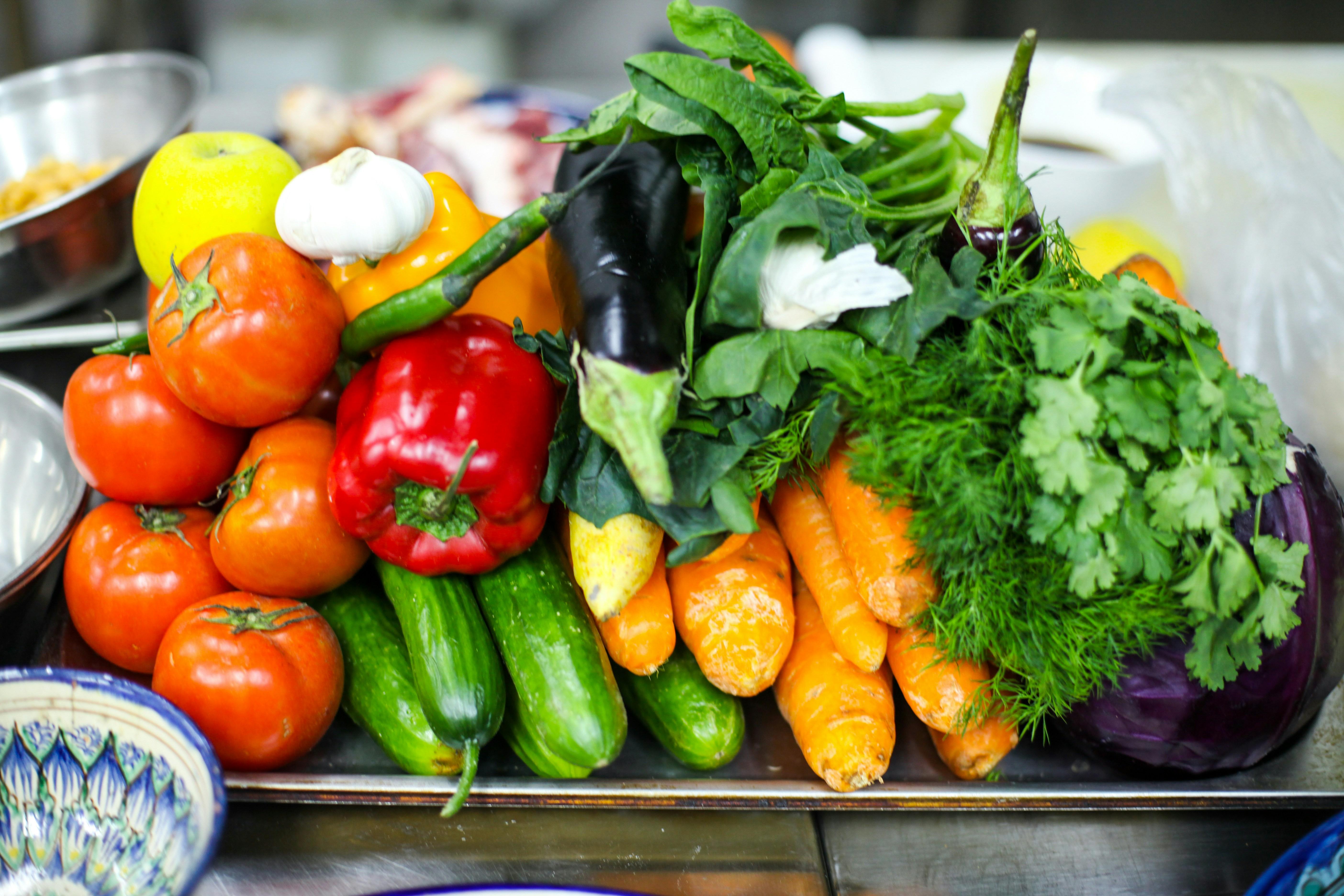
In some places, vegetables pulled from the earth at dawn land on lunch plates before the day is half over. Herbs are snipped from a garden a few steps away. Fruits are picked only when they're truly ripe, never before. Fish comes straight from local waters, skipping the cold storage and long supply chains altogether. The difference is obvious from the first bite. Flavours taste brighter, ingredients feel more alive, and every dish carries a little more truth in it. More than anything, this closeness lets travellers taste the landscape itself, understanding a place not just by seeing it, but by eating it.
Cameron Highlands: Malaysia's Original Farm-to-Table Destination
Preview
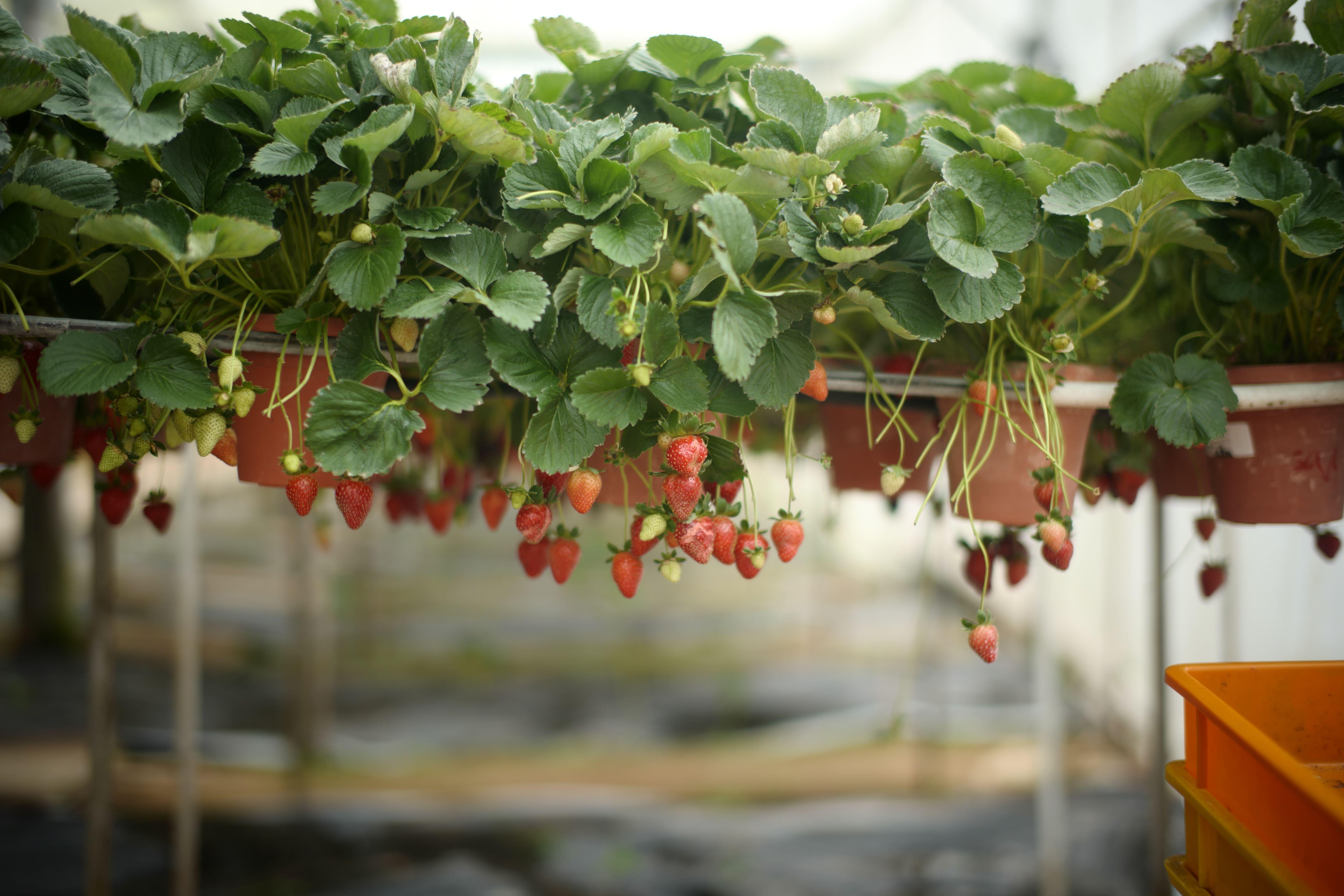
When discussing agricultural travel in Malaysia, it is impossible to ignore Cameron Highlands. The region's cool climate has made it one of Southeast Asia's most productive farming areas for generations. Rolling hills covered in tea plantations create some of the country's most iconic landscapes, while farms produce vegetables, herbs, strawberries, flowers, and fruits throughout the year. What many visitors do not realise is how diverse the agricultural ecosystem really is.
Beyond the famous tea estates lies a network of family-operated farms experimenting with sustainable growing techniques, hydroponics, and organic agriculture. Visitors can tour these farms, speak directly with growers, and learn how highland conditions influence crop quality. One particularly interesting aspect of Cameron Highlands farming is the role altitude plays in flavour development. Cooler temperatures allow certain vegetables and herbs to mature more slowly, creating richer flavour profiles than their lowland counterparts. A simple salad suddenly becomes a geography lesson.
The Hidden Organic Movement of Janda Baik
Preview
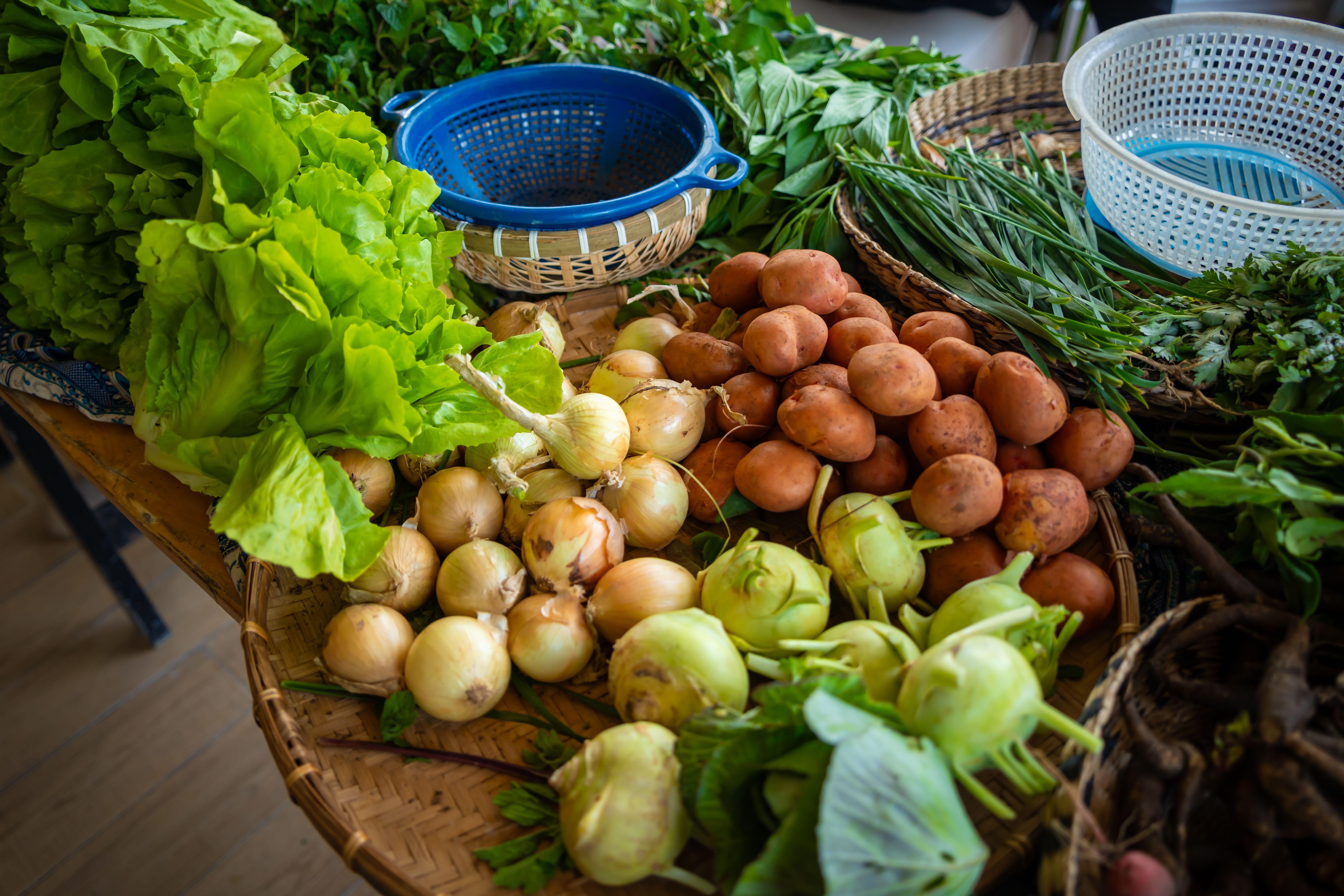
While Cameron Highlands receives most of the attention, Janda Baik has quietly developed its own sustainable food culture. Nestled within forested hills near Kuala Lumpur, the area has become home to boutique farms, fig orchards, and eco-conscious producers who focus on quality rather than scale. Visitors are often surprised by the variety available.
Figs, herbs, leafy greens, mushrooms, and tropical fruits thrive in the area's unique microclimate. Several small producers have embraced regenerative farming techniques that prioritise soil health, biodiversity, and minimal environmental impact.
Many local retreats now incorporate these ingredients directly into their menus, creating a true farm-to-table experience where guests can often visit the farms supplying their meals. The result feels personal rather than commercial. You are not simply consuming a product. You are participating in a local ecosystem.
The Strawberry Farms You Never Knew Existed
Preview
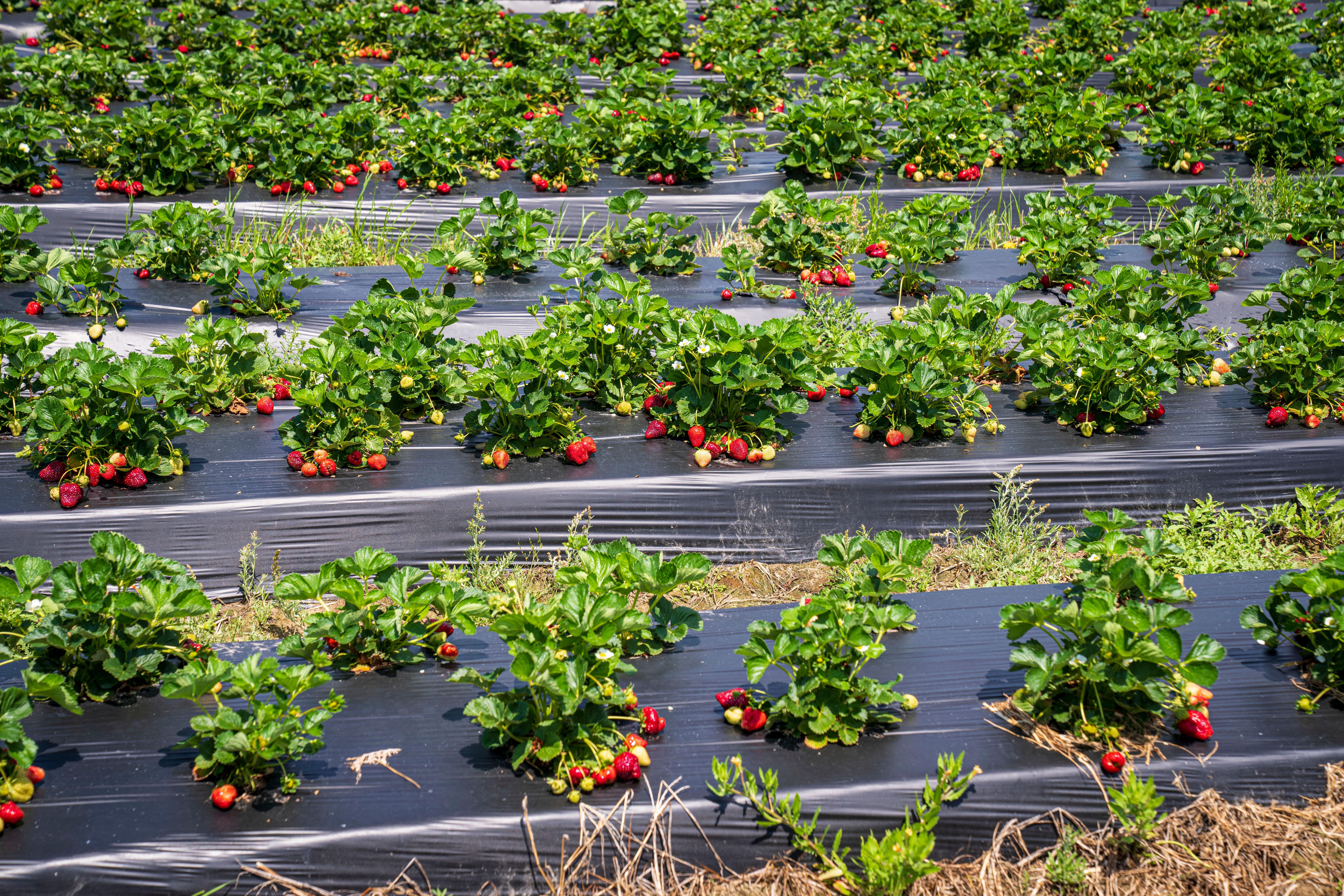
Malaysia's strawberry farms are often associated with tourist attractions. However, behind the popular experiences lies a fascinating agricultural story. The cooler temperatures of the highlands allow strawberries to thrive despite Malaysia's tropical climate. Farmers have developed innovative growing techniques, including hydroponic systems that maximise efficiency while reducing water consumption.
Visitors who take time to speak with growers often discover the challenges involved. Maintaining quality fruit in a tropical country requires careful planning, precise environmental management, and constant adaptation. Many farms now incorporate educational experiences into their operations, allowing travellers to better understand sustainable food production while enjoying freshly harvested fruit. This blend of agriculture and tourism has become a powerful example of modern agritourism done well.
Johor's Fruit Belt: A Forgotten Culinary Treasure
Preview
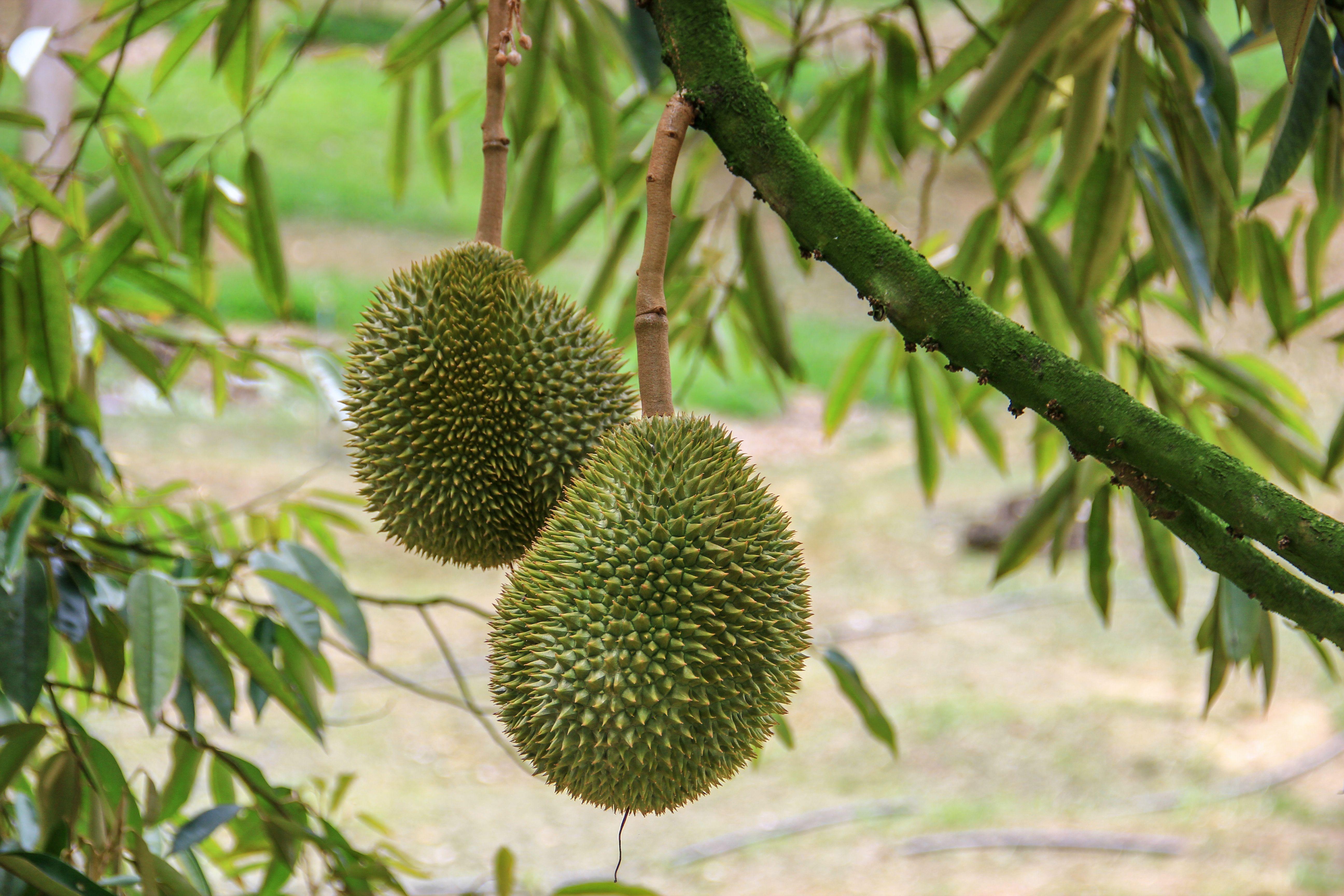
Most visitors associate Johor with city escapes and coastal destinations. Yet the state also contains one of Malaysia's most productive fruit-growing regions. Areas surrounding Muar, Tangkak, and Batu Pahat support orchards producing durian, jackfruit, dragon fruit, mangoes, and countless tropical varieties. During harvest seasons, travellers can visit farms and taste fruit directly beneath the trees where it was grown.
The difference in freshness is remarkable. Many fruits begin losing flavour shortly after harvesting. Eating them at their source provides an entirely different experience, one that highlights why local food systems remain so important. Some growers have even begun offering guided orchard experiences that combine education, tasting sessions, and cultural storytelling.
Farm-to-Table in Borneo: Where Tradition Meets Sustainability
Preview
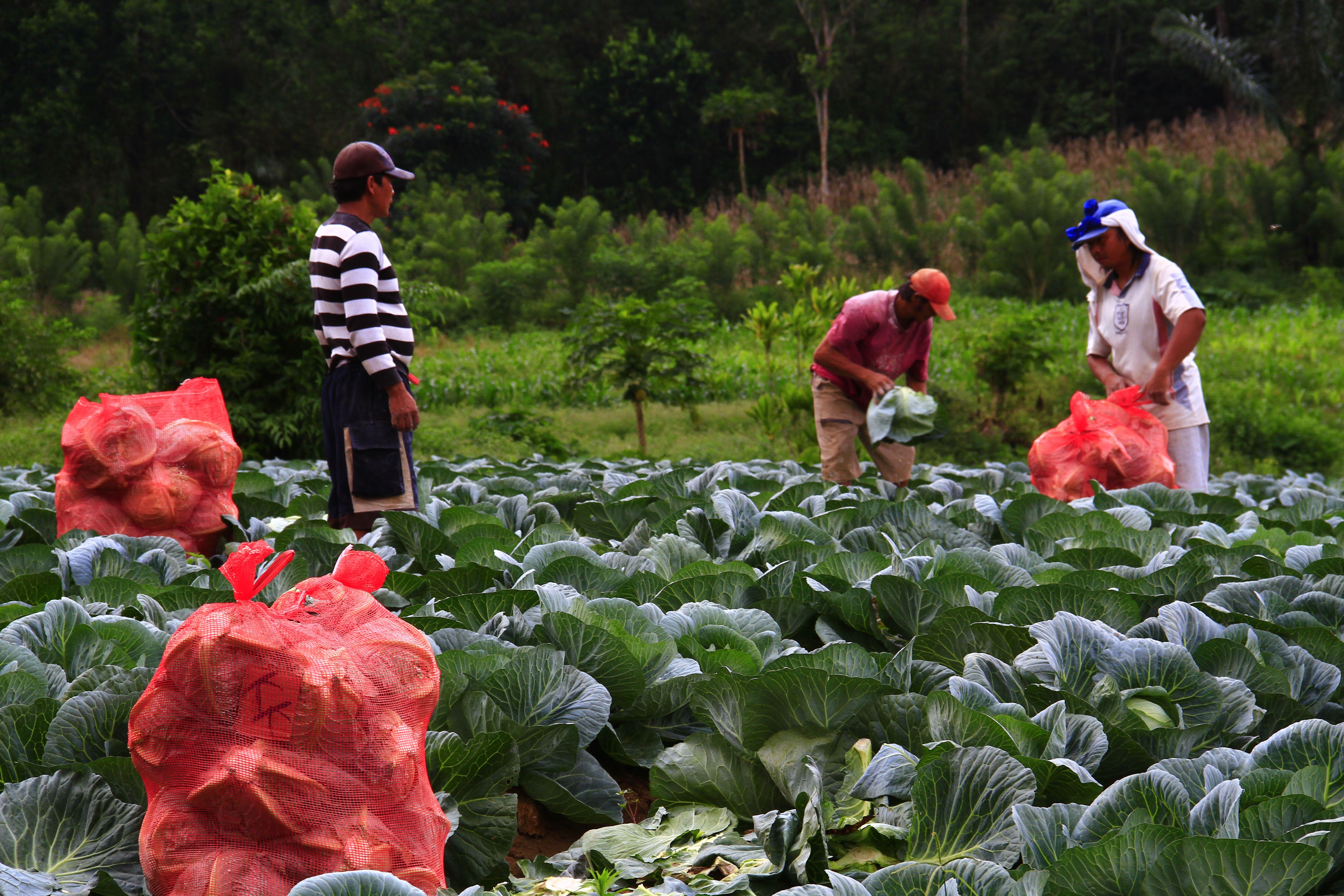
Perhaps the most fascinating farm-to-table experiences can be found in Sarawak and Sabah. Here, agriculture often remains deeply connected to indigenous knowledge and traditional practices. Many communities continue cultivating crops using methods developed over generations. Wild herbs, jungle vegetables, and locally sourced ingredients play an important role in daily life. For travellers, these experiences provide insight into a different relationship with food.
Ingredients are not viewed merely as commodities. They are connected to landscapes, seasons, cultural traditions, and community identity. Meals become stories. Each ingredient carries context that extends far beyond flavour.
Why Sustainable Food Travel Matters
Preview
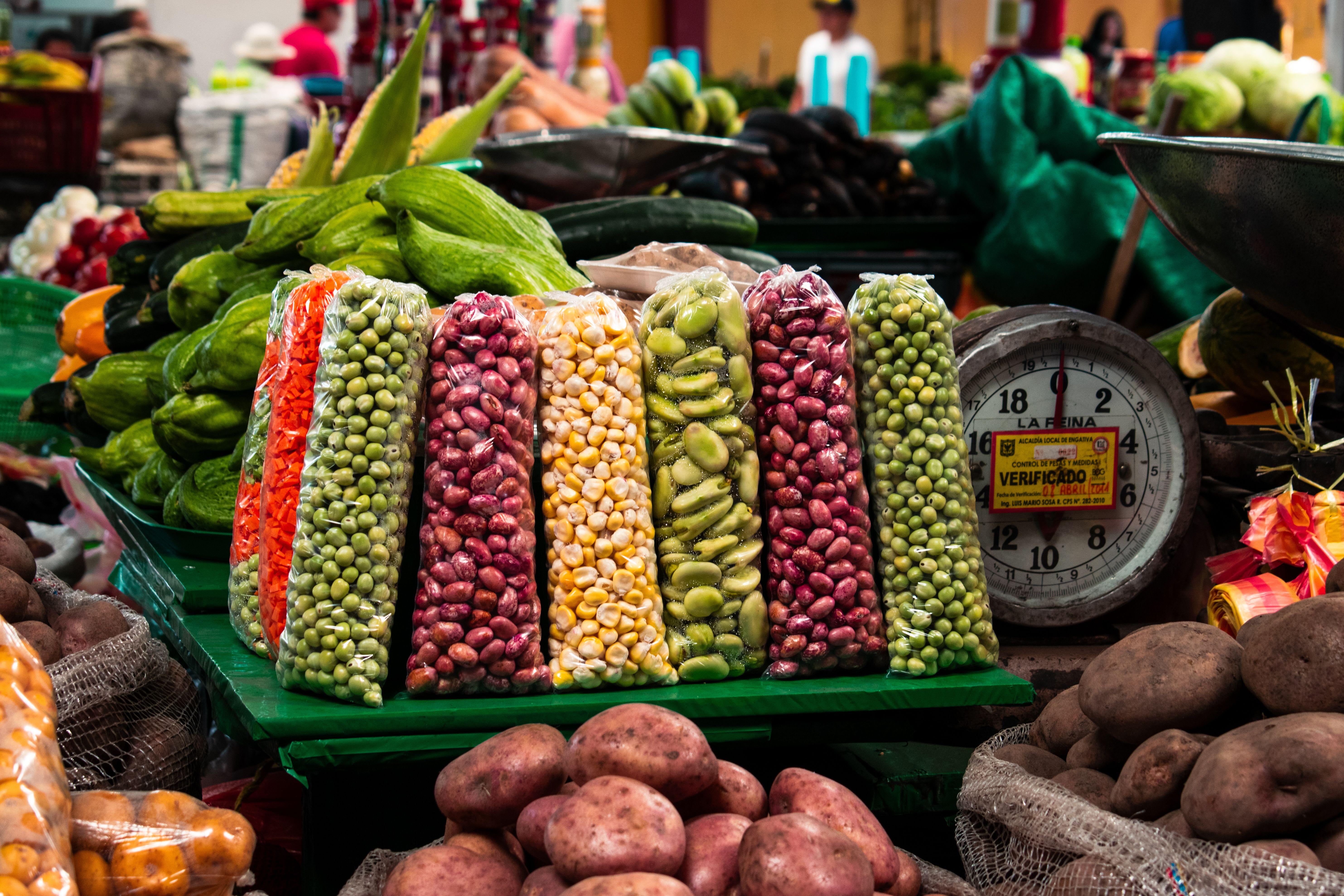
The average meal often travels thousands of kilometres before reaching a plate. Farm-to-table travel challenges this model. By supporting local producers, travellers help strengthen regional economies, reduce transportation emissions, and encourage sustainable farming practices. Small farms gain visibility, local communities benefit economically, and traditional agricultural knowledge remains valuable.
The environmental benefits are significant. Shorter supply chains generally require less transportation, less packaging, and less energy consumption. Many farm-to-table operations also prioritise biodiversity and responsible land management, creating positive impacts beyond food production itself. For travellers interested in sustainability, these experiences offer a practical way to align tourism choices with environmental values.
Lesser-Known Experiences Worth Seeking Out
Preview
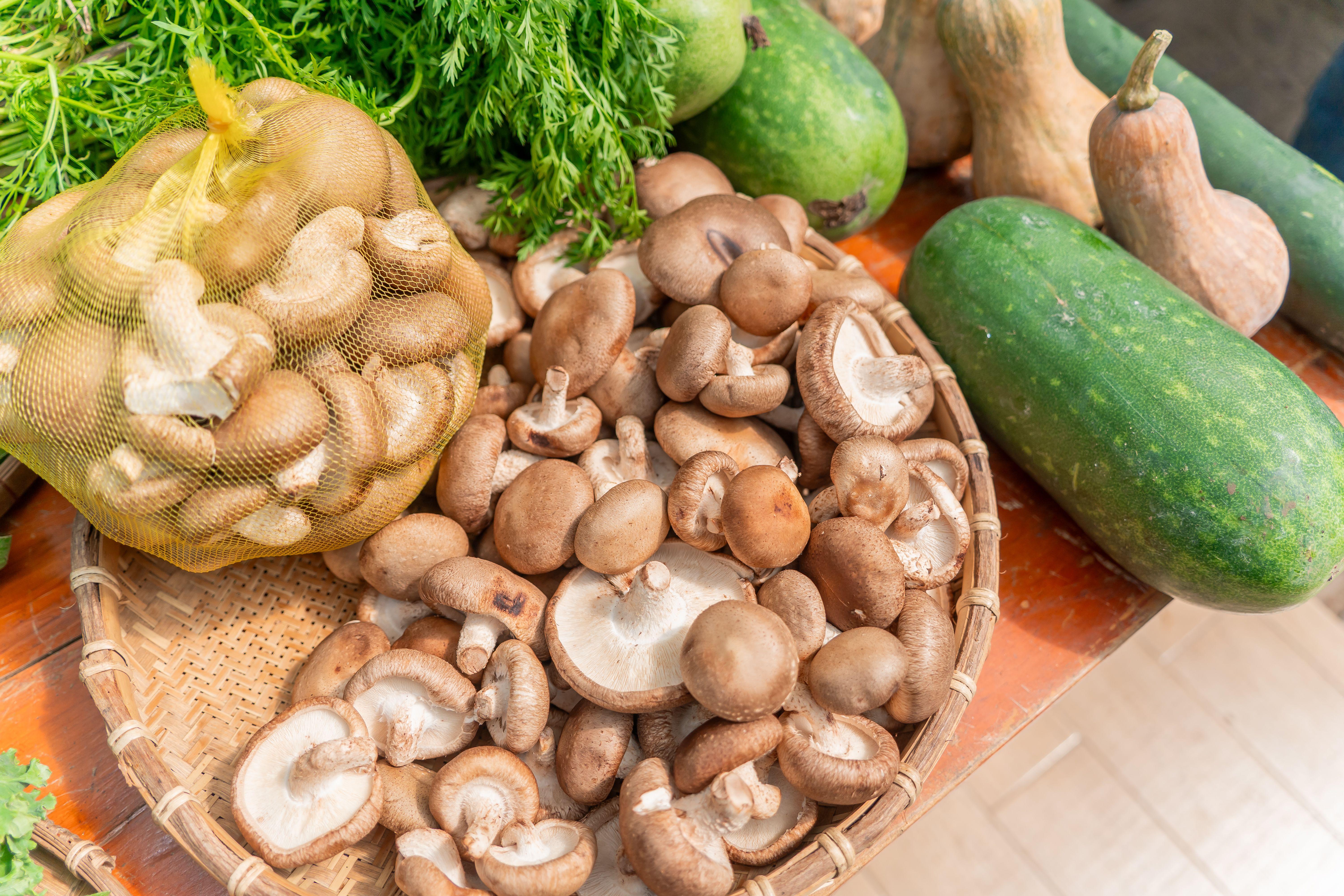
One of the joys of farm-to-table travel is discovering places that rarely appear on conventional itineraries. Small mushroom farms in highland valleys. Family-operated honey producers hidden among forests. Herb gardens supplying local restaurants. Boutique coffee growers are experimenting with speciality cultivation techniques. These experiences often provide some of the most memorable moments.
Not because they are luxurious. Because they are genuine. Meeting someone passionate about growing food creates a connection that no restaurant menu can replicate.
The Future of Food Tourism in Malaysia
Food tourism is evolving rapidly. Travellers increasingly seek experiences rather than consumption alone. They want to understand how things are made, where ingredients originate, and who produces them. Malaysia is exceptionally well-positioned for this future. Its agricultural diversity, culinary heritage, and growing interest in sustainable tourism create ideal conditions for farm-to-table experiences. From highland farms to coastal fishing villages, opportunities continue to expand. Visit Malaysia 2026 has further accelerated interest in these meaningful travel experiences, encouraging visitors to explore beyond traditional attractions. The result is a tourism model that benefits both travellers and local communities.
Practical Tips for Farm-to-Table Travellers
- Travel with curiosity. Ask questions about ingredients, growing methods, and local traditions. Farmers and producers are often enthusiastic about sharing their knowledge.
- Travel seasonally whenever possible. Different harvest periods create unique experiences throughout the year.
- Choose smaller producers and locally owned operations when available. These visits often provide deeper insights and more personal interactions.
- Finally, slow down. Farm-to-table travel works best when experienced at the same pace as the communities behind it. Rushing through a farm visit misses the very thing that makes it meaningful.
Final Thoughts: Following Food Back to Its Source
Preview
Some of the most memorable journeys begin with a meal. Not because the food was extravagant, but because it revealed something about the place itself. A tea plantation hidden in misty hills. A fruit orchard thriving under tropical sunshine. A community preserving traditions through agriculture. Farm-to-table travel invites us to see food differently.
It encourages us to look beyond menus and understand the people, landscapes, and stories behind every ingredient. In Malaysia, that journey is particularly rewarding because agriculture remains deeply connected to culture, community, and identity. For travellers seeking something authentic, sustainable, and delicious, there may be no better way to explore the country. To discover curated culinary journeys, agritourism experiences, and meaningful escapes across Malaysia, visit LAGO Travel and start planning your next adventure from the ground up.