


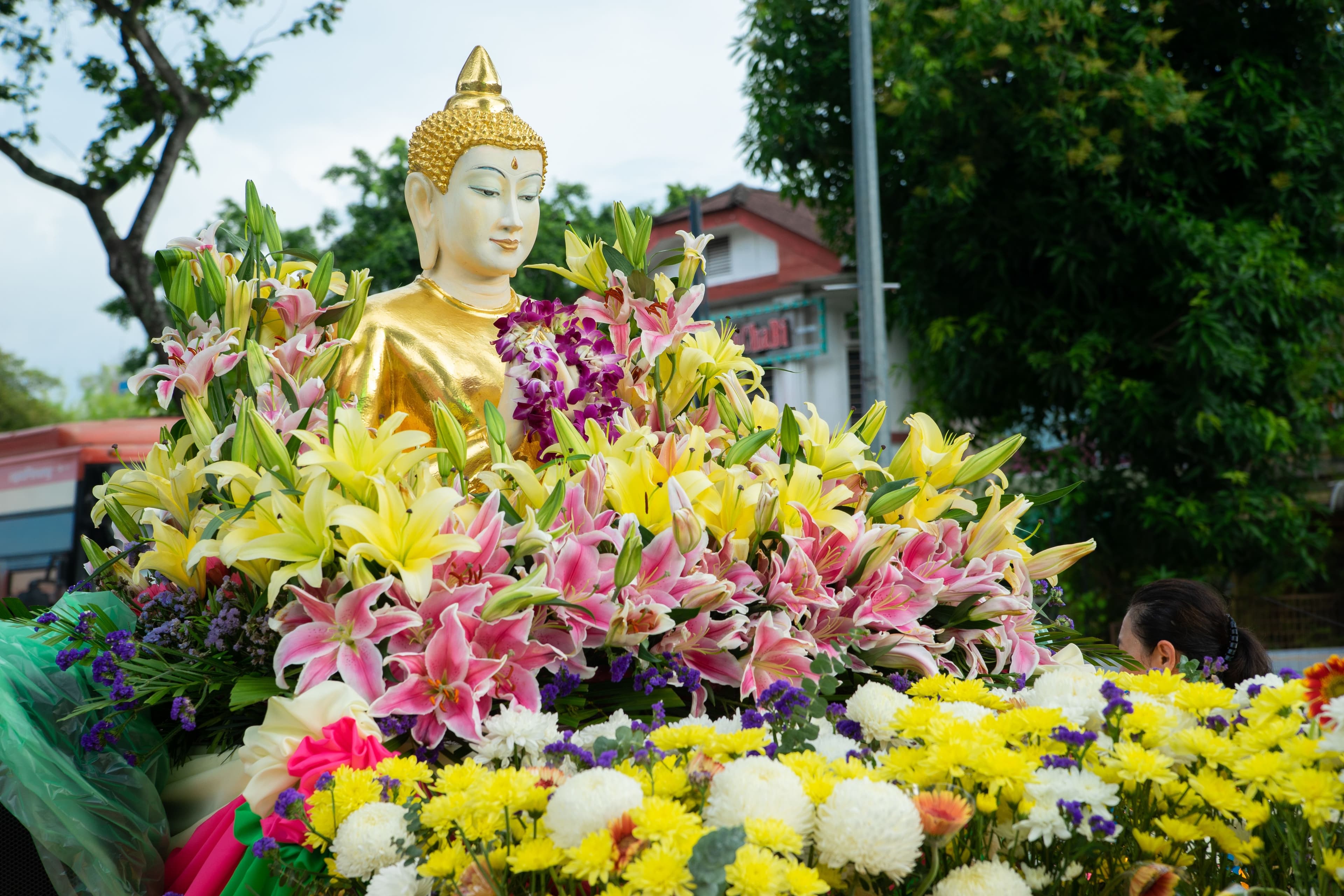
Immersive Festivals: Vesak Day Traditions Explained in Malaysia
Certain moments in our travels linger far longer than others, etching themselves permanently into our memory. This rarely happens because of a grand monument or a famous vista; instead, it stems entirely from the way a specific place made you feel. It is found in a sudden, quiet stillness in the air, the soft, warm glow of candles flickering in the evening light, and the gentle, rhythmic movement of people gathered together with a singular, shared purpose. In these spaces, there is no rush and no noise; there is only pure presence. Festivals possess a unique magic, revealing an intimate side of a destination that everyday exploration simply cannot reach. They weave together faith, ancient tradition, and community in a manner that feels deeply personal yet powerfully collective.
In a country like Malaysia, where diverse cultures coexist beautifully and traditions are celebrated openly, these festivals are far more than just dates on a calendar. They are vibrant, living expressions of identity. Among these celebrations, few are as profoundly moving as Vesak Day. Observed by Buddhists across the nation, Vesak Day honours the birth, enlightenment, and passing of Gautama Buddha. It is a sacred time dedicated to reflection, boundless compassion, and quiet celebration. For travellers, experiencing this special day offers a rare opportunity to understand Malaysian culture far beyond the surface level, allowing you to move past the role of a mere spectator and truly witness a deeply rooted tradition.
What is Vesak Day, and why does it matter
Preview
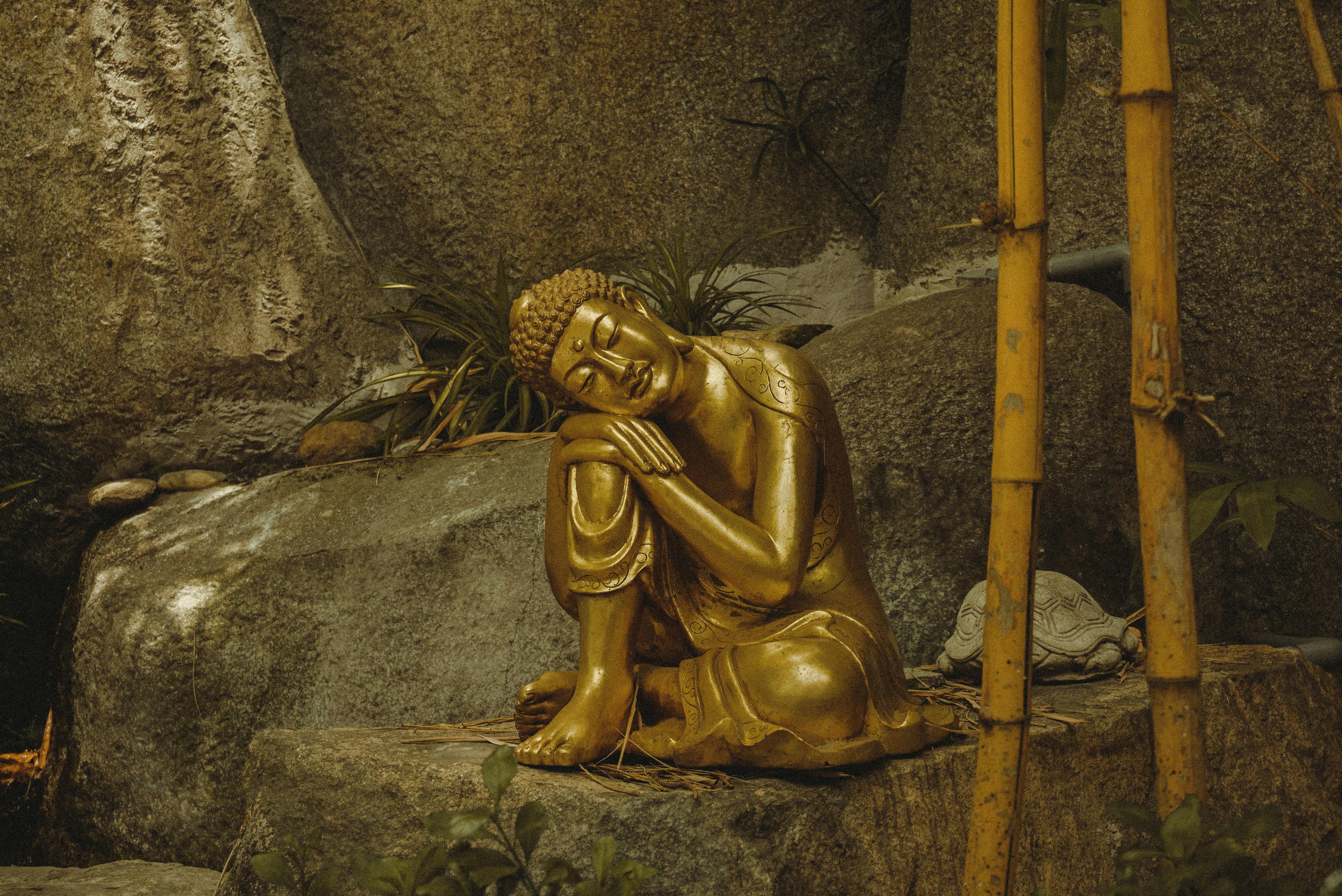
Often referred to simply as Vesak, Vesak Day stands as one of the most sacred landmarks on the Buddhist calendar. This poignant day commemorates three defining milestones in the life of Gautama Buddha: his birth, his profound enlightenment, and his ultimate passing into Nirvana. Rather than viewing these as separate historical occurrences, the community honours them together, recognising them as a beautiful reflection of the lifelong journey toward true wisdom and boundless compassion. In Malaysia, where heritage is deeply respected, Vesak Day is observed as a national public holiday. Buddhist communities across the country mark the occasion with immense devotion and meticulous care, transforming temples nationwide into vibrant hubs of activity while effortlessly maintaining an atmosphere of absolute calm and reverence.
While many cultural festivals are defined by loud music and exuberant celebrations, Vesak Day carries a distinctly quieter, more introspective energy. It is a sacred time dedicated to internal reflection rather than outward display, a day centred entirely on giving selflessly rather than receiving. For the mindful traveller seeking genuine cultural immersion, this festival presents a rare and beautiful opportunity to connect with local traditions on a truly profound level, allowing you to move beyond the role of a detached observer and feel the heartbeat of the community.
How Vesak Day Is Celebrated in Malaysia
Preview
Morning Rituals and Temple Visits
The day often begins early. Devotees visit temples in the morning, dressed in white or light coloured clothing as a symbol of purity. The atmosphere is peaceful, with soft chanting, the scent of incense, and the gentle movement of people making offerings.
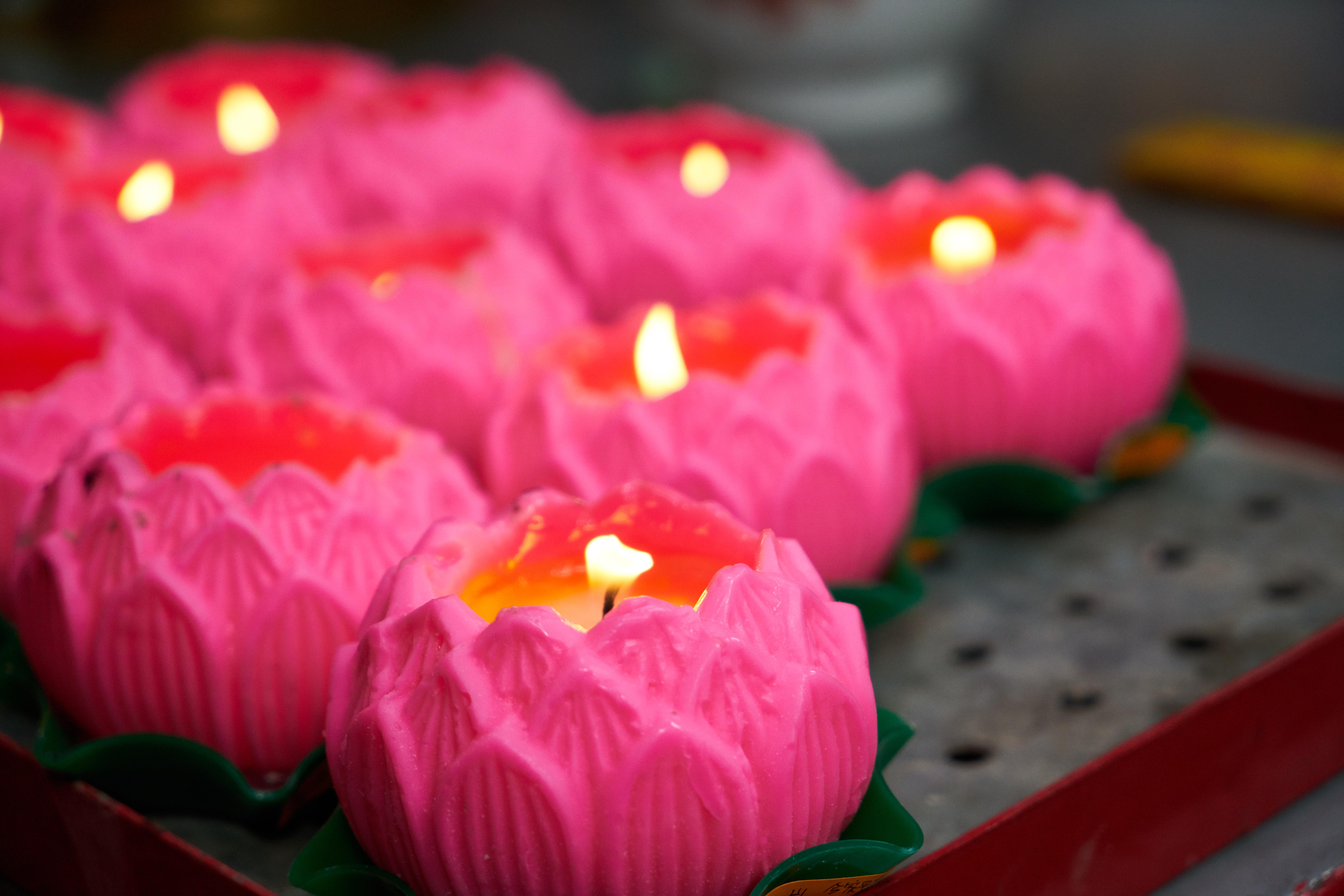
Offerings typically include flowers, candles, and incense. Each carries symbolic meaning. Flowers represent the impermanence of life, candles symbolise light and wisdom, and incense reflects mindfulness and devotion. Temples such as Thean Hou Temple and Kek Lok Si Temple become focal points for these rituals, welcoming both devotees and respectful visitors. For travellers, this is a moment to observe quietly. To take in the atmosphere without interrupting it.
The Bathing of the Buddha
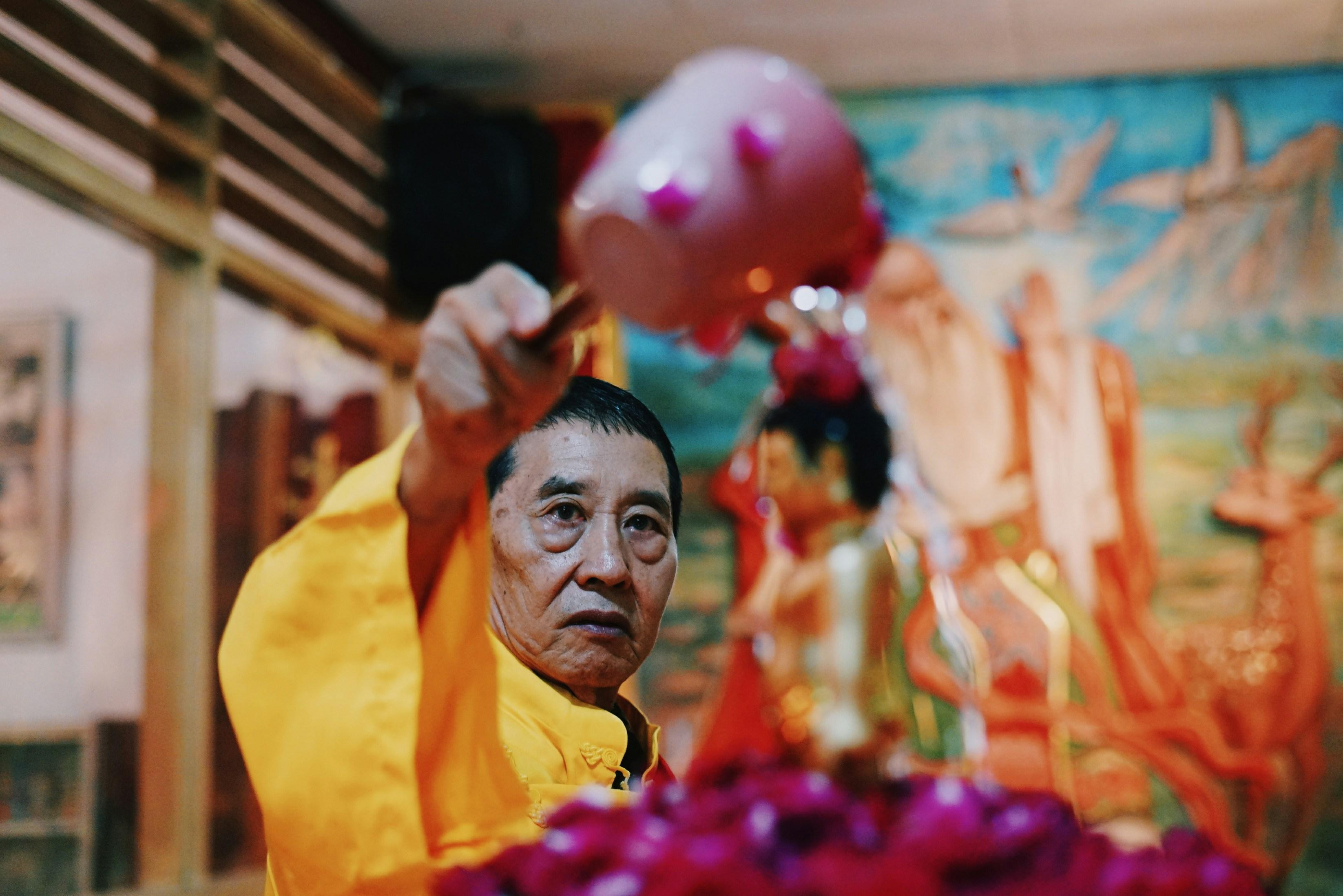
One of the most recognisable rituals of Vesak Day is the bathing of the Buddha. A small statue of the Buddha is placed in a basin of water, often decorated with flowers. Devotees gently pour water over the statue, symbolising the purification of the mind and the letting go of negative thoughts. This act is simple, yet deeply meaningful. It represents renewal. A reminder to begin again with clarity and intention. For visitors, witnessing this ritual offers insight into the symbolic nature of Buddhist practices.
Acts of Giving and Compassion
Vesak Day is also a time for generosity. Many devotees participate in charitable activities such as donating food, supporting community initiatives, or offering help to those in need. This reflects one of the core teachings of Buddhism. Compassion. In some areas, you may see free food being distributed or community-driven efforts to support others. These acts are not performed for recognition, but as part of a shared value system. For travellers, this aspect of the festival highlights how cultural traditions extend beyond rituals into everyday actions.
Evening Processions and Candlelight
Preview
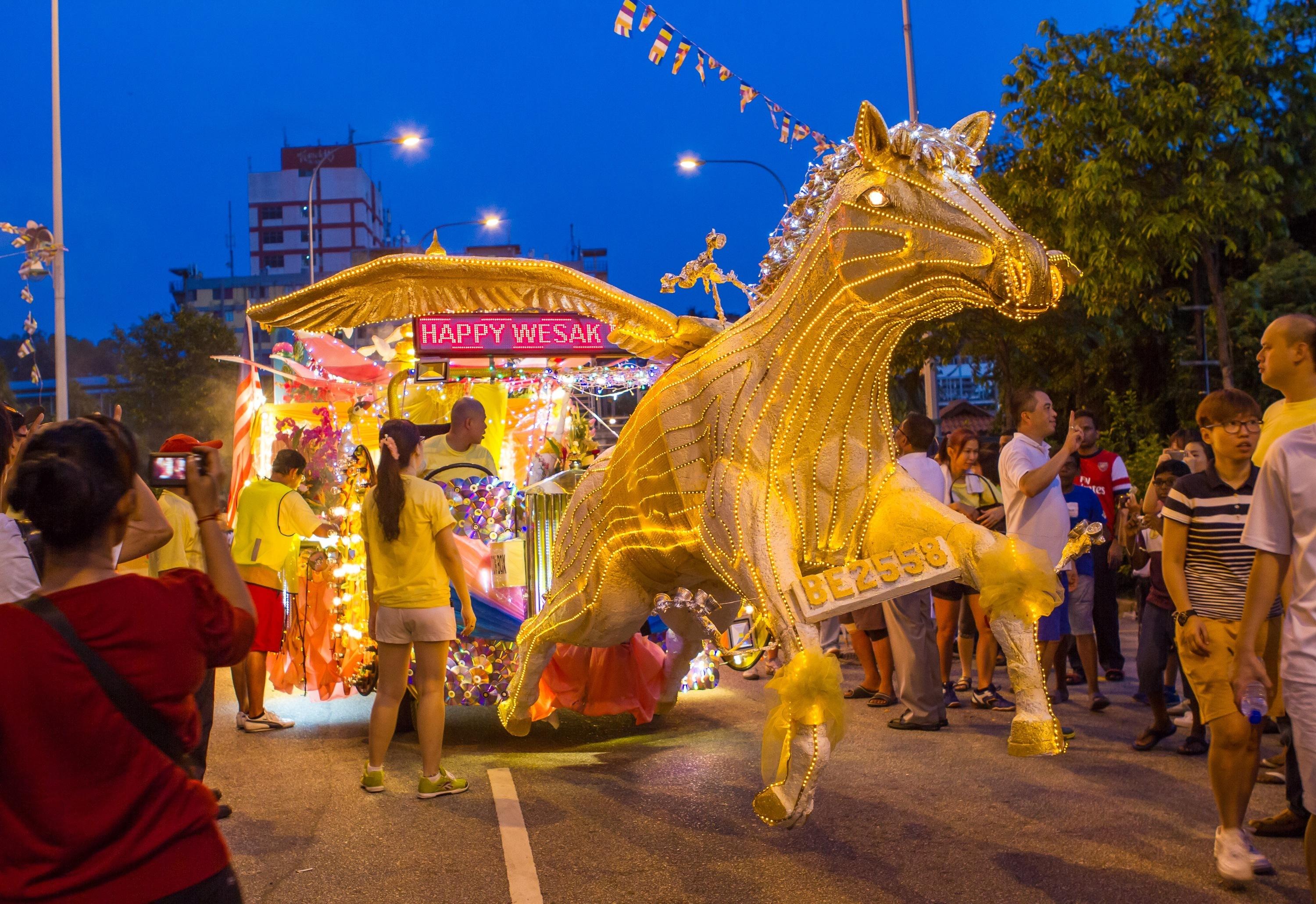
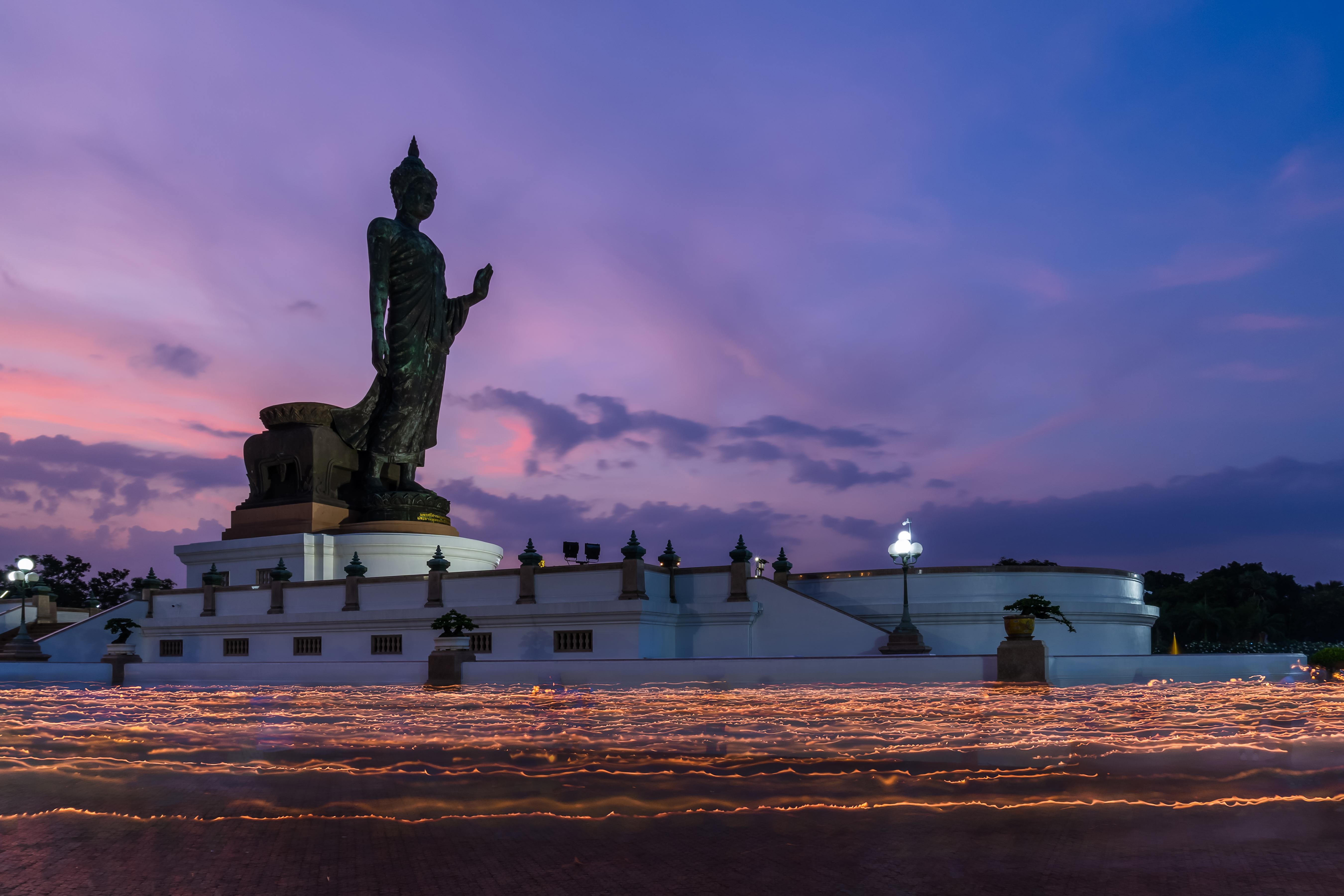
As the day moves into the evening, some cities host peaceful processions. Devotees walk together carrying candles and lanterns, creating a soft glow that moves through the streets. The atmosphere remains calm, with chanting and quiet reflection accompanying the procession. These moments feel almost meditative. The light, the movement, and the shared silence create an experience that is both collective and personal. For those witnessing it, the feeling is often one of calm rather than excitement.
Experiencing Vesak Day as a Traveller
Preview
Observing with Respect
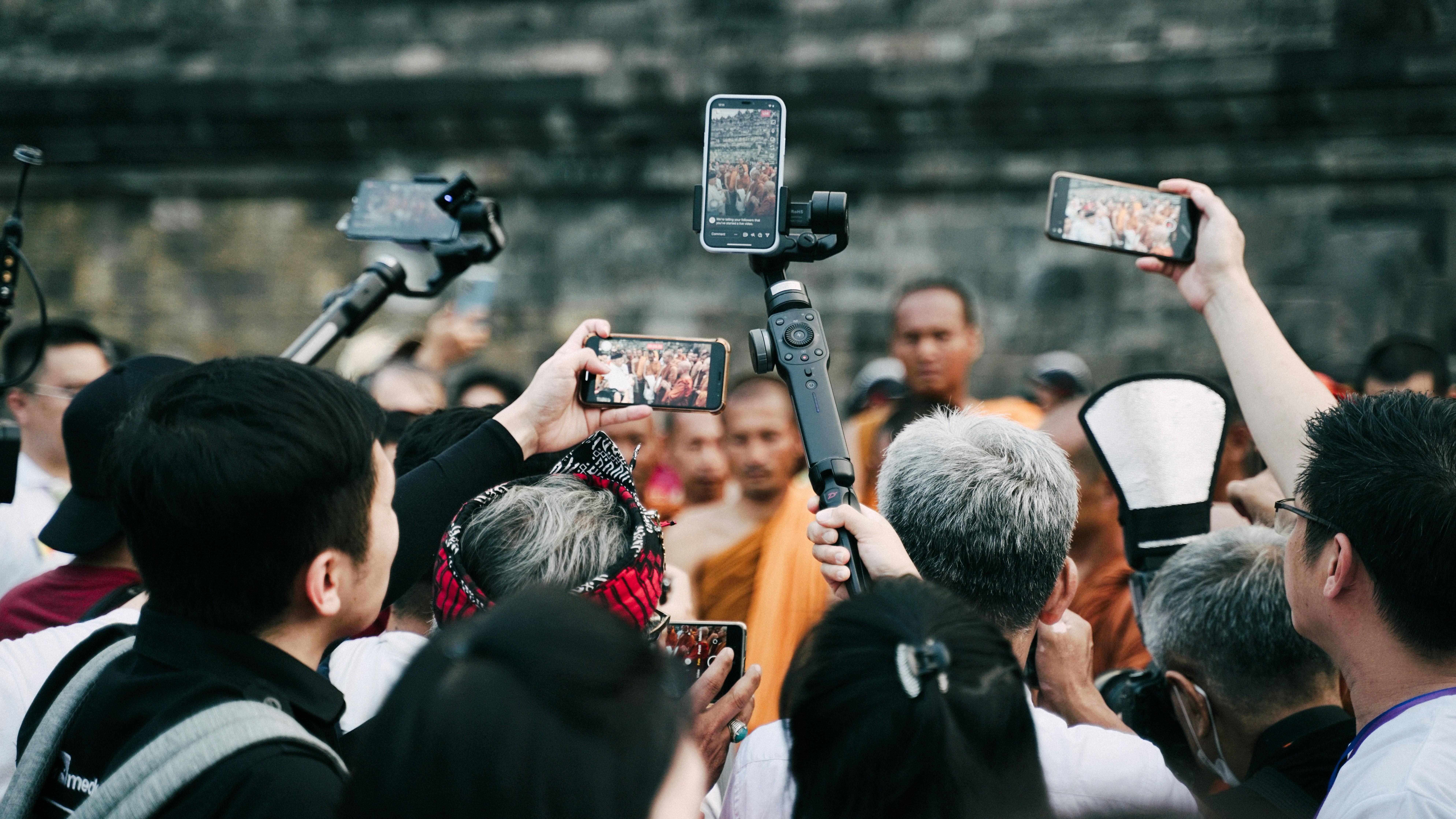
When attending Vesak Day celebrations, respect is essential. Dress modestly, covering shoulders and knees when visiting temples. Remove shoes where required and follow the behaviour of those around you. Photography is usually allowed in public areas, but it is important to be mindful. Avoid using flash during rituals and do not interrupt ceremonies for the sake of capturing images. The goal is to observe, not intrude.
Taking Time to Understand
Vesak Day is not just a visual experience. Take time to read about the rituals, listen to explanations if available, and reflect on what you are witnessing. Understanding the meaning behind each practice adds depth to the experience.
Participating Gently
In some temples, visitors are welcome to participate in simple acts such as lighting candles or making offerings. If you choose to do so, follow guidance from temple staff or locals. Participation should feel respectful and genuine, not performative.
The Cultural Significance of Vesak Day in Malaysia
Preview
Malaysia’s richly woven multicultural identity provides a beautiful sanctuary where diverse traditions do not just coexist, they truly flourish and are celebrated with open arms. Vesak Day serves as a profound example of how deeply rooted religious and cultural practices seamlessly integrate into the broader tapestry of the national identity. While it is observed with great devotion by the Buddhist community, the day is universally recognised and respected by people of all faiths across the nation. This mutual respect fosters a harmonious environment where genuine cultural exchange happens naturally in everyday life. For travellers, it offers a rare and enlightening opportunity to witness firsthand how diversity is actively lived and breathed, rather than simply described in a guidebook.
Why Festivals Like Vesak Day Matter in Travel
Preview
Festivals provide context. They reveal values, beliefs, and traditions that shape a community. They offer insight into how people see the world and how they relate to one another. Experiencing a festival like Vesak Day allows travellers to connect with a destination in a deeper way. It shifts travel from observation to understanding.
Practical Tips for Visiting During Vesak Day
- Plan your visit early, as temples and surrounding areas can become busy.
- Arrive in the morning for a quieter experience or in the evening for the atmosphere of processions.
- Stay hydrated and be mindful of the weather, especially if you are outdoors for extended periods.
- Most importantly, approach the experience with patience. Festivals move at their own pace.
Final Thoughts: A Moment of Stillness in Travel
Preview
Vesak Day is not a festival that overwhelms. It invites you to slow down, observe, and reflect. In a world where travel often feels fast and busy, this kind of experience offers something different. A moment of stillness. For those seeking deeper cultural understanding in Malaysia, Vesak Day provides a meaningful starting point. To explore more culturally immersive journeys, visit LAGO Travel and discover experiences that go beyond what you see.