


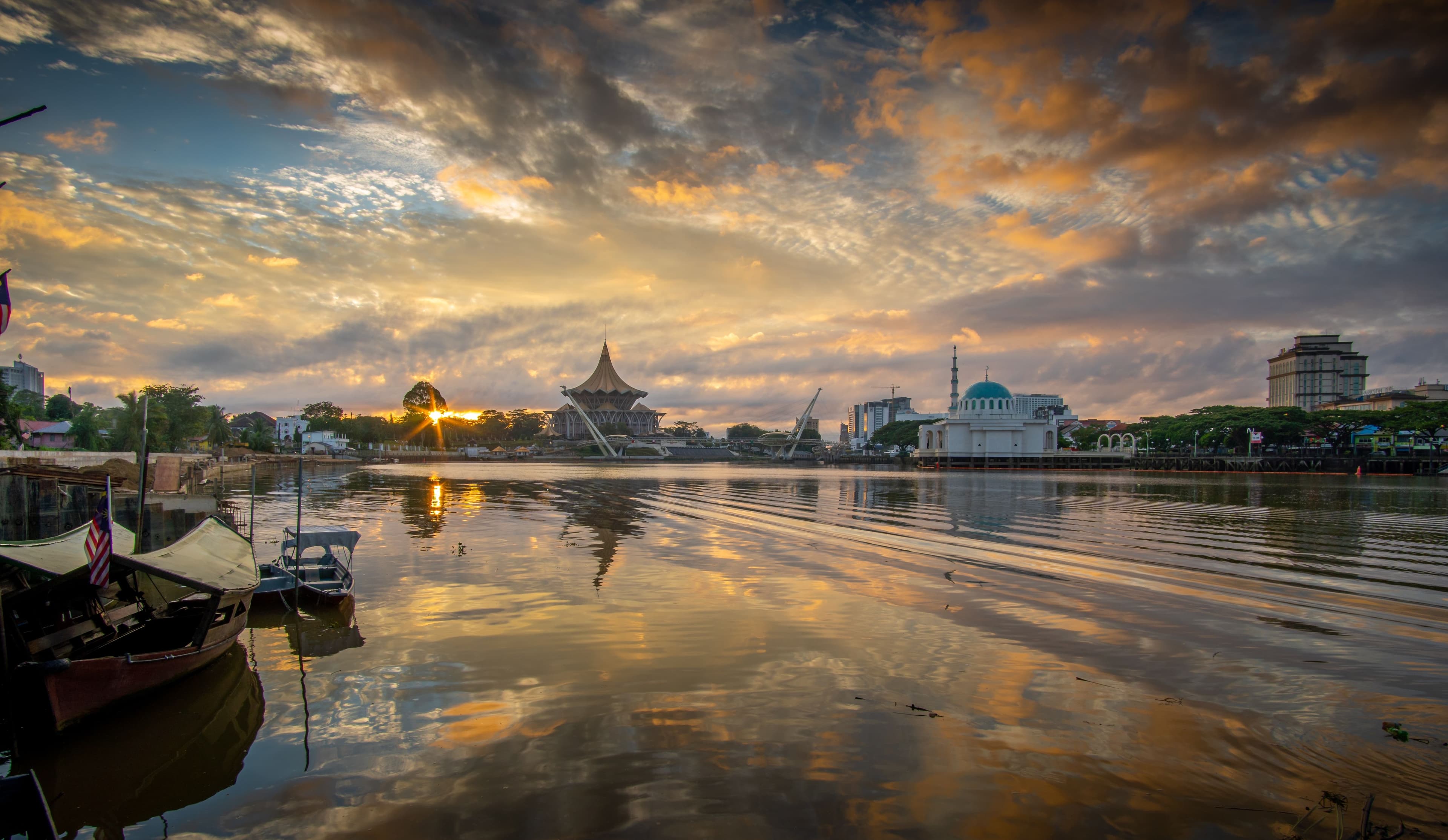
Sarawak Cultural Journeys: Celebrating Heritage Beyond the Ordinary
Some places ease you into their culture slowly. Others pull you in completely from the first moment. Sarawak is the latter. From the instant you arrive, something becomes clear: culture here is not archived behind glass or performed for visitors on cue. It is lived, practised, and woven into the rhythm of everyday life. Conversations carry meaning. Food tells stories. Architecture holds memory. Traditions breathe. Together, they create an experience that feels genuinely authentic rather than carefully staged.
In 2026, as travellers seek journeys with deeper resonance, Sarawak emerges as a destination where heritage is not simply observed but truly felt. With Visit Malaysia 2026 well underway, this remarkable corner of Borneo extends an open invitation: to step into a world where stories are still being told in the very places they began.
Why Sarawak Feels Different from the Rest of Malaysia
Preview
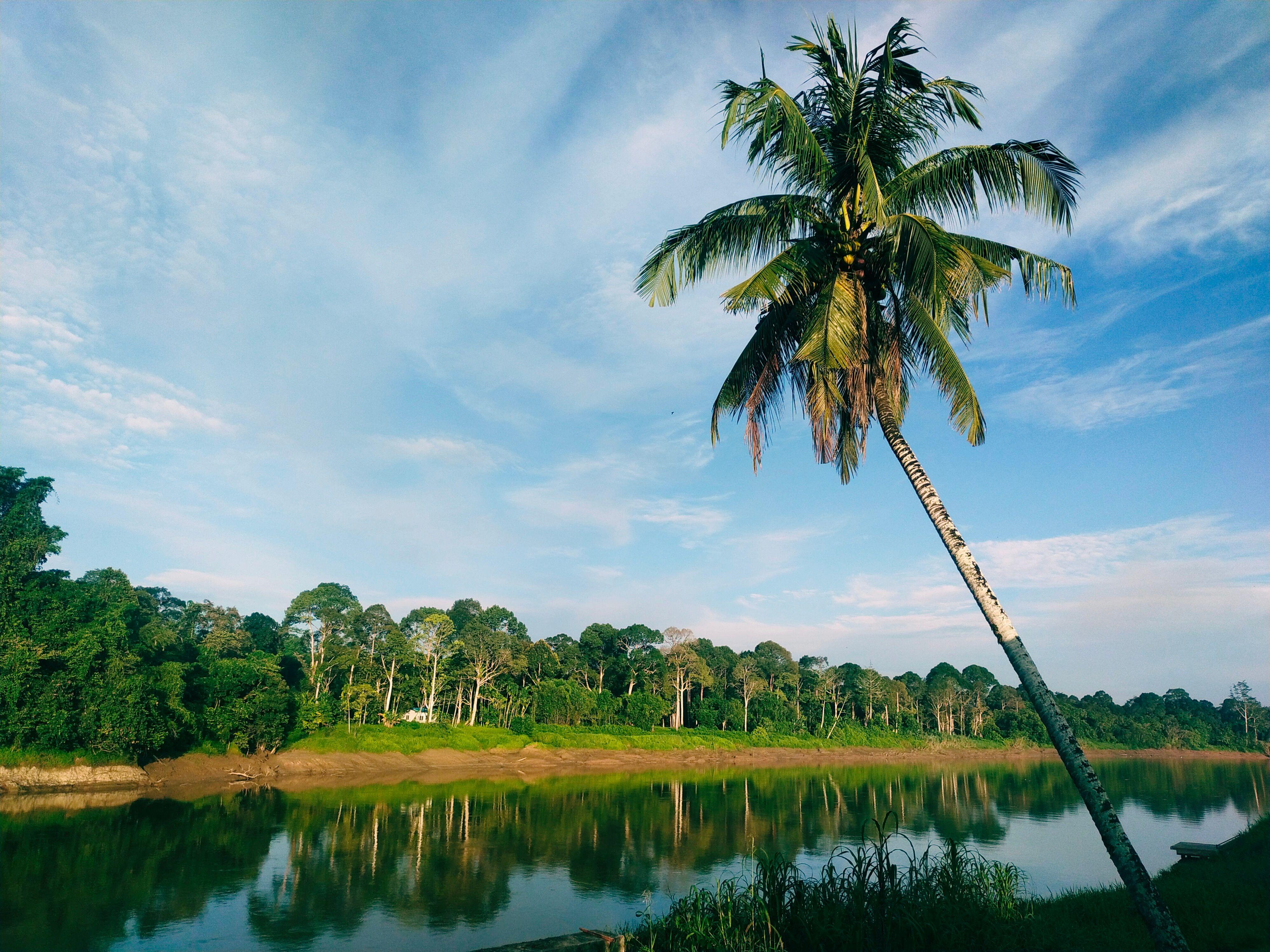
Sarawak's cultural landscape is not something you can take in all at once. It reveals itself gradually, layer by layer, the more time you spend within it. Situated on the island of Borneo, Sarawak is home to a remarkable diversity of indigenous communities, each carrying its own traditions, languages, artistic expressions, and ways of understanding the world. This is not a single, unified culture presented neatly for outsiders. It is a living mosaic, shaped over centuries, where differences between communities are as fascinating as the threads that connect them. The more you look, the more you find.
What makes Sarawak particularly distinctive is how inseparably its culture is tied to the natural world around it. Rivers do not simply run through the landscape; they serve as lifelines, as gathering points, as routes that have connected communities for generations. Forests are not mere scenery but sources of knowledge, sustenance, and spiritual meaning. Villages feel rooted in their surroundings in a way that few places still do.
This relationship between people and place influences everything, from the ingredients in a traditional meal to the rhythms of a ritual ceremony. Travelling through Sarawak, then, is less about ticking off a list of sights and more about learning to read a place. It rewards patience, curiosity, and a willingness to slow down and let the depth of it all gradually come into view.
The Longhouse Experience: A Living Tradition
Preview
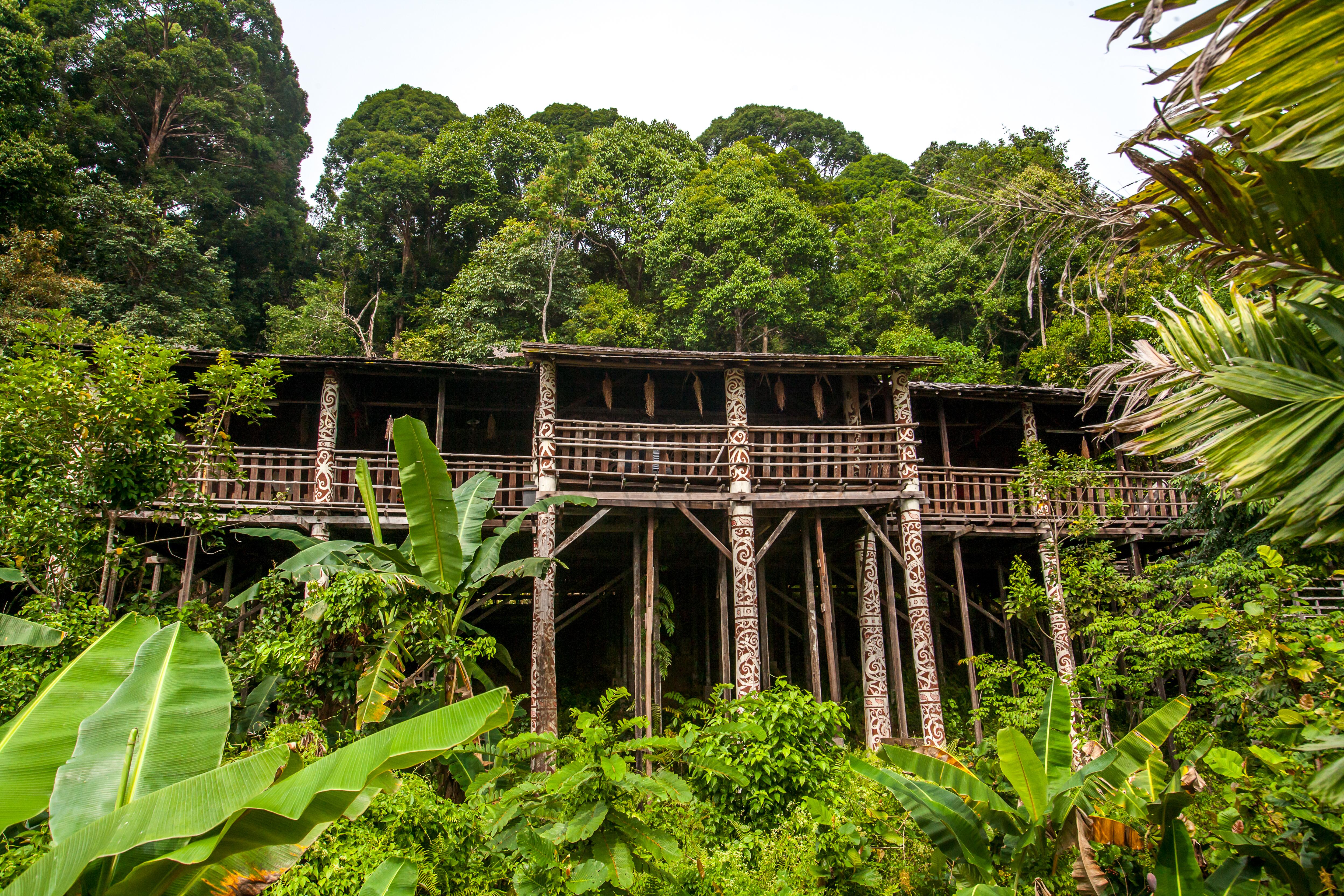
One of the most distinctive cultural experiences in Sarawak is visiting a traditional longhouse. These communal homes, often built along rivers, are not historical replicas but functioning communities where families live together under one roof. A visit to a longhouse offers insight into a way of life that values connection, shared space, and tradition. Walking through the structure, you see individual family areas alongside common spaces where gatherings take place. Conversations with residents reveal stories about daily routines, celebrations, and the challenges of balancing tradition with modern life.
For many travellers, this experience becomes the highlight of their journey. It shifts the perspective from observing culture to engaging with it directly. Sharing a meal, listening to stories, or simply spending time in the space creates a connection that feels genuine. It is not about understanding everything immediately but about being present and open to learning.
Kuching: Where Heritage Meets Everyday Life
Preview
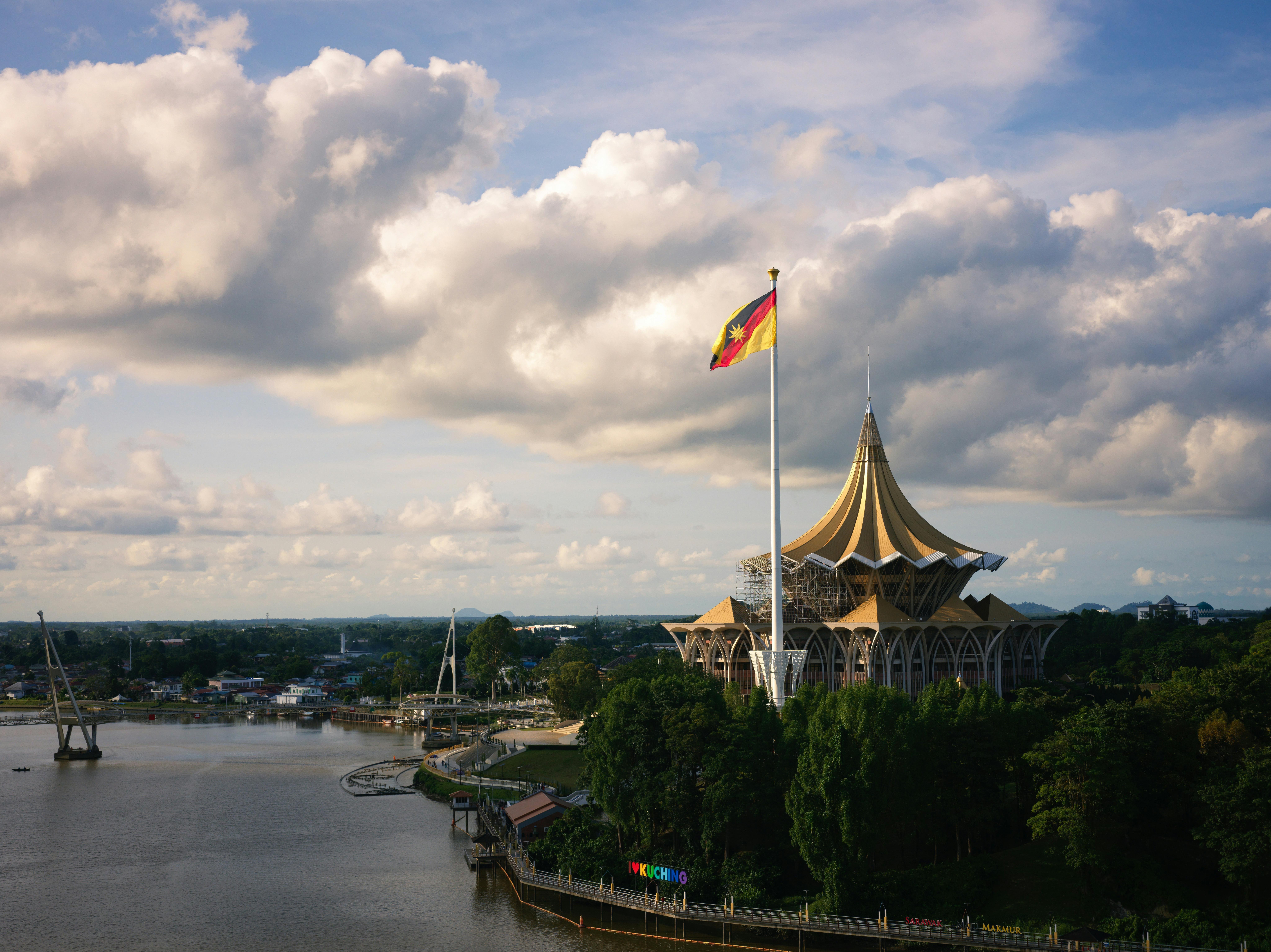
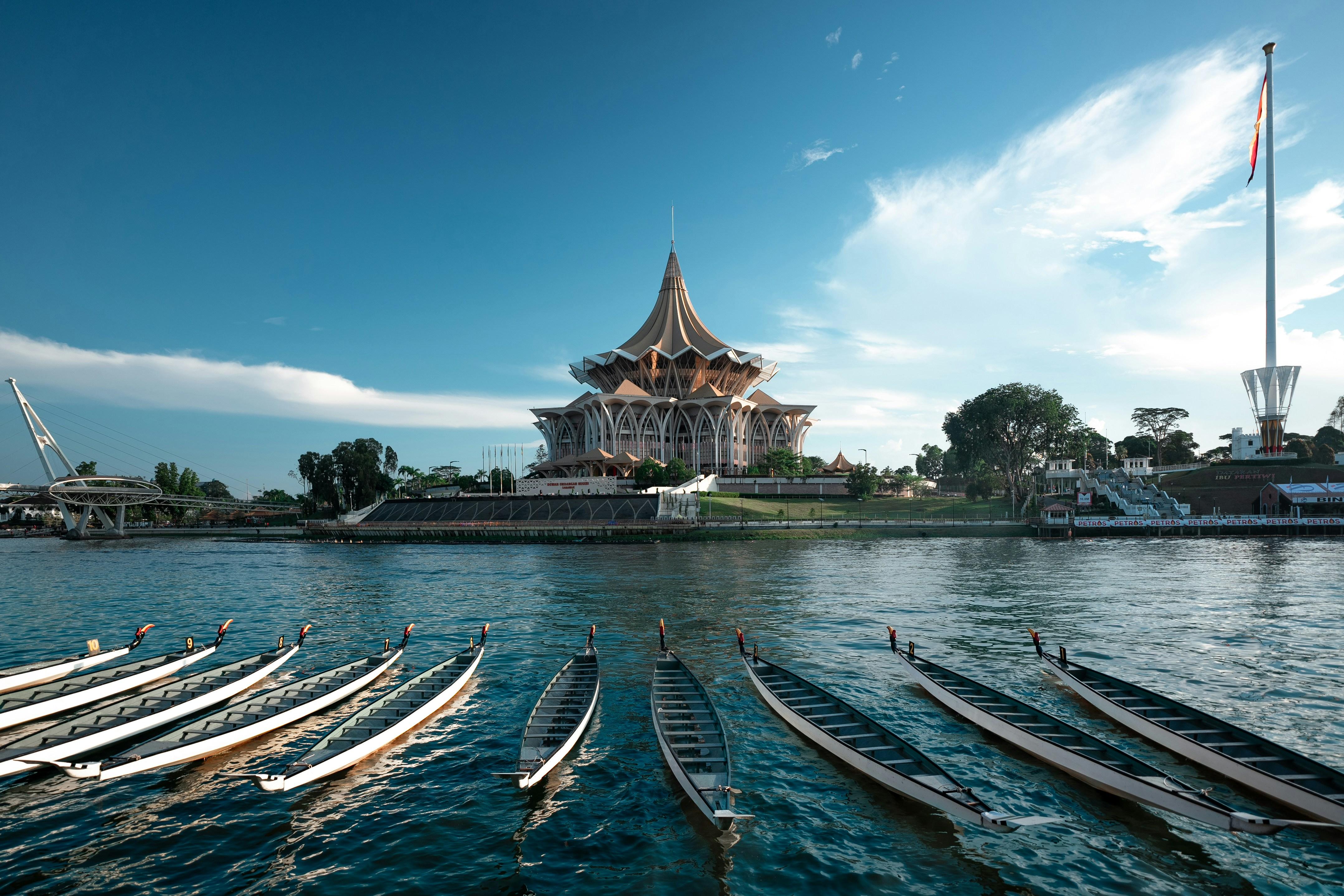
The capital city of Kuching serves as an ideal starting point for cultural exploration. Known for its relaxed atmosphere, Kuching offers a blend of heritage and modern life that feels approachable. Walking along the waterfront, you notice how history and daily activity coexist. Colonial buildings stand alongside local shops, while markets and cafés create a lively yet unhurried environment.
Kuching is also a gateway to understanding Sarawak’s diversity. Museums, cultural centres, and local neighbourhoods provide context for the traditions you will encounter elsewhere. However, the real value lies in the smaller moments, conversations with locals, interactions at food stalls, and the rhythm of everyday life. These experiences create a foundation for deeper exploration beyond the city.
Festivals That Bring Communities Together
Preview
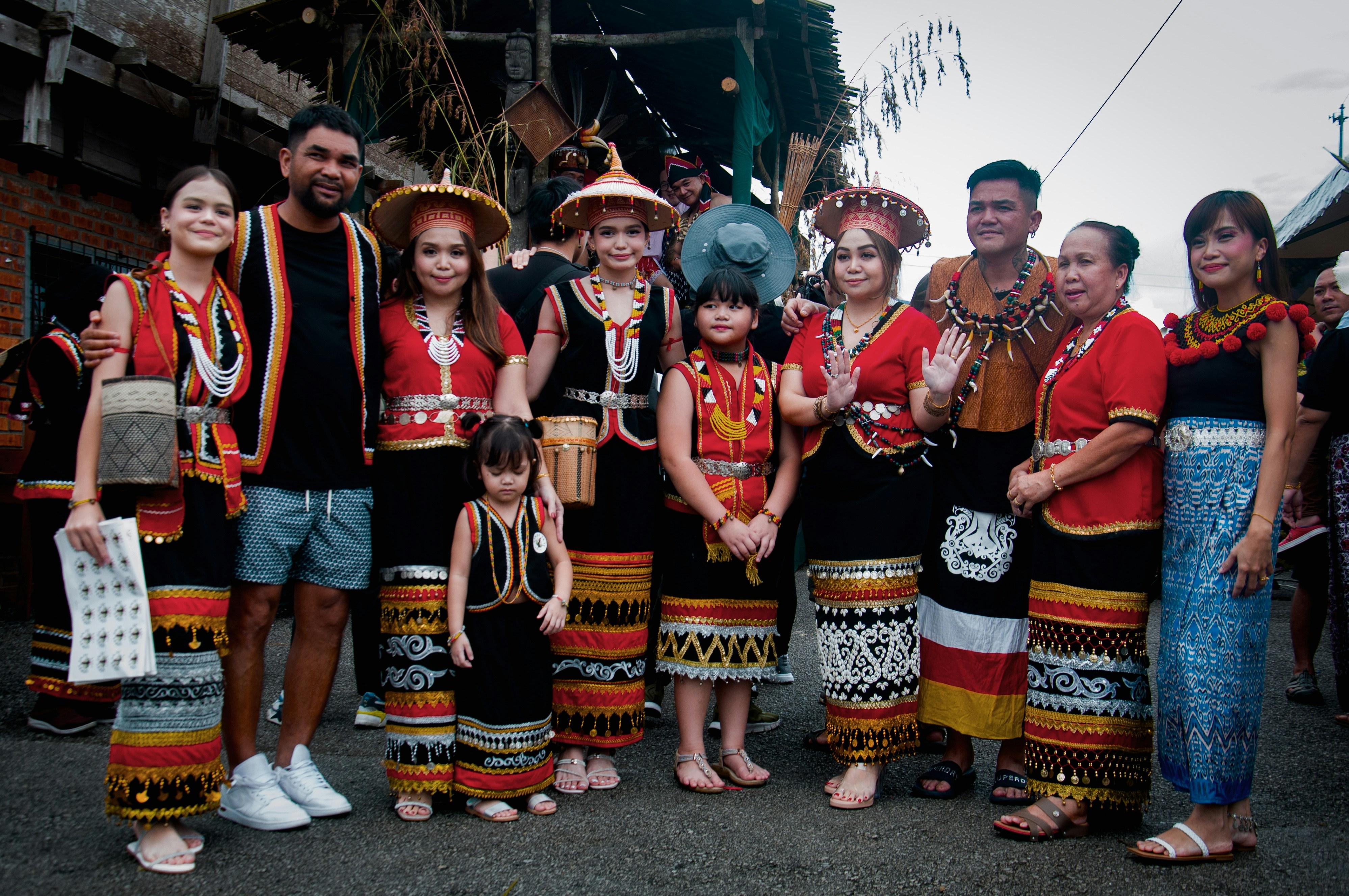
In Sarawak, festivals are not occasions that happen around you. They are experiences that draw you in, often before you have had a chance to prepare yourself for just how moving they can be. Among the most celebrated is Gawai Dayak, a festival observed by the Dayak communities to mark the close of the harvest season. On the surface, it is a celebration of abundance, a collective exhale after months of hard work in the fields. But spend any time within it, and you quickly realise it is something far richer than that. Longhouses that already feel alive with daily life are transformed during Gawai into something extraordinary. Music fills the air, traditional dances tell stories passed down through generations, and shared meals become acts of community and gratitude. The warmth of it is immediate and genuine.
What sets Sarawak's festivals apart is precisely this quality of authenticity. These are not performances choreographed for visitors or cultural displays tidied up for outside consumption. They are real celebrations, rooted in deeply held values, observed by communities who have carried these traditions forward with quiet pride. Visitors are often welcomed not as spectators but as guests, invited to sit, eat, listen, and participate in ways that feel natural rather than staged.
To engage with a festival here respectfully and openly is to experience culture at its most alive. The music stays with you. The laughter is infectious. The sense of being genuinely welcomed into something meaningful, rather than simply permitted to watch it, creates the kind of memory that does not fade easily.
Food as a Reflection of Heritage
Preview
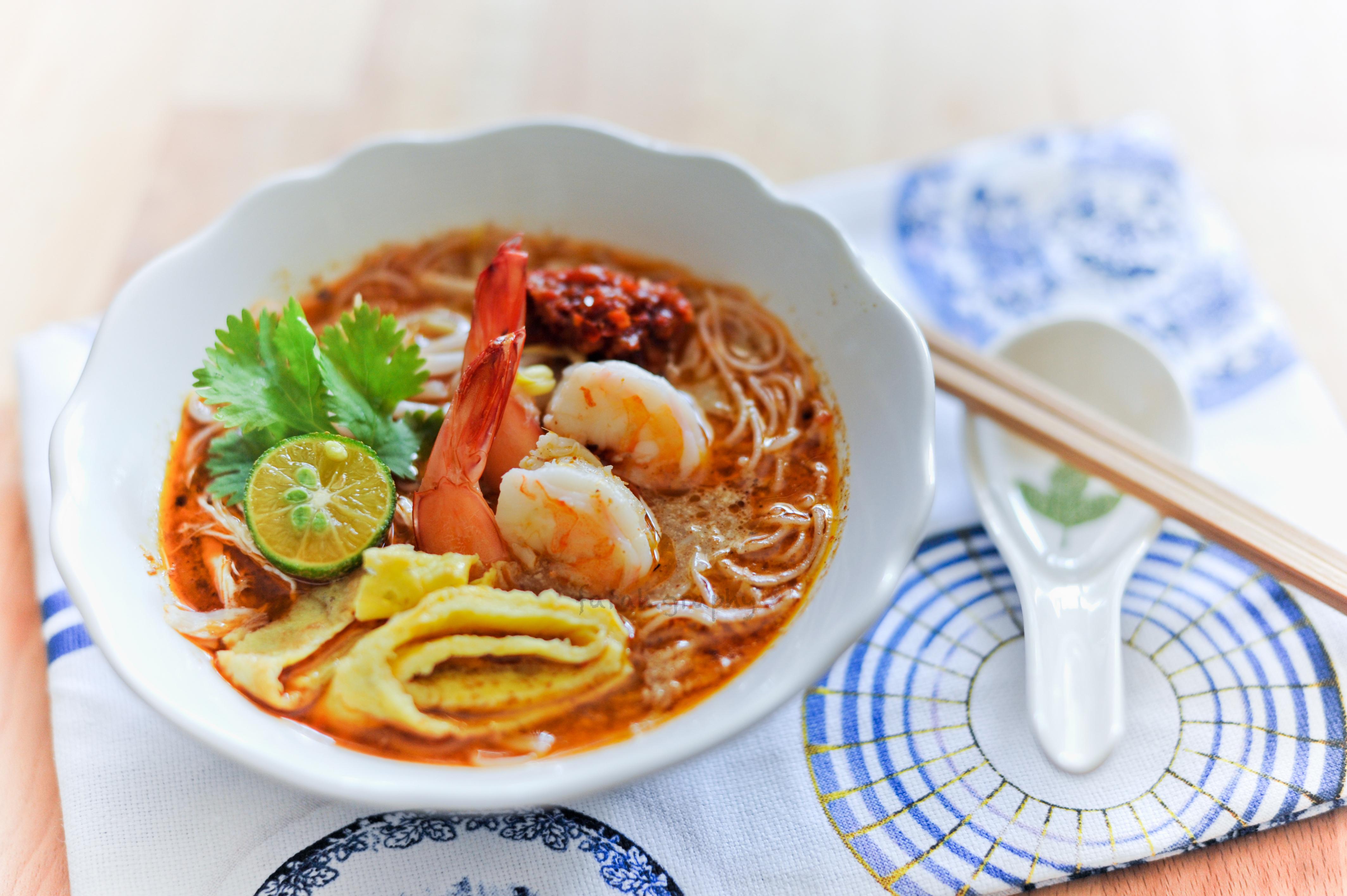
Food in Sarawak tells stories of land, tradition, and community. Ingredients are often sourced locally, reflecting the surrounding environment. Dishes such as Sarawak laksa, manok pansoh, and various jungle herbs showcase the diversity of flavours found in the region.
Eating here is not just about trying something new. It is about understanding how food connects to culture. Recipes are often passed down through generations, preserving techniques and flavours that might otherwise be lost. Dining experiences, whether in a city café or a rural home, provide insight into how food shapes identity.
For travellers, this adds another layer to the journey. Each meal becomes an opportunity to learn, to ask questions, and to connect with the people who prepare it.
Nature and Culture: An Interconnected Experience
Preview
In Sarawak, nature and culture are closely linked. The rainforest is not just a backdrop but an integral part of daily life. Many traditions, from rituals to crafts, are influenced by the natural environment. Understanding this connection adds depth to the travel experience.
Visiting places like Gunung Mulu National Park or exploring river communities highlights how people interact with their surroundings. These experiences show that culture is not separate from nature but shaped by it.
For travellers interested in mindful travel, this relationship offers a perspective that feels both grounding and enlightening. It encourages a deeper appreciation for the balance between human activity and environmental preservation.
The Role of Storytelling in Sarawak
Stories play a central role in preserving Sarawak’s heritage. Passed down through generations, they carry knowledge, beliefs, and values. Listening to these stories, whether from guides, community members, or cultural practitioners, adds richness to the journey.
Storytelling here is not just about the past. It is about continuity. It connects history to the present, showing how traditions evolve while remaining rooted. For travellers, these narratives provide context and meaning, transforming places into experiences that resonate on a deeper level.
Why Cultural Travel Matters More in 2026
Preview
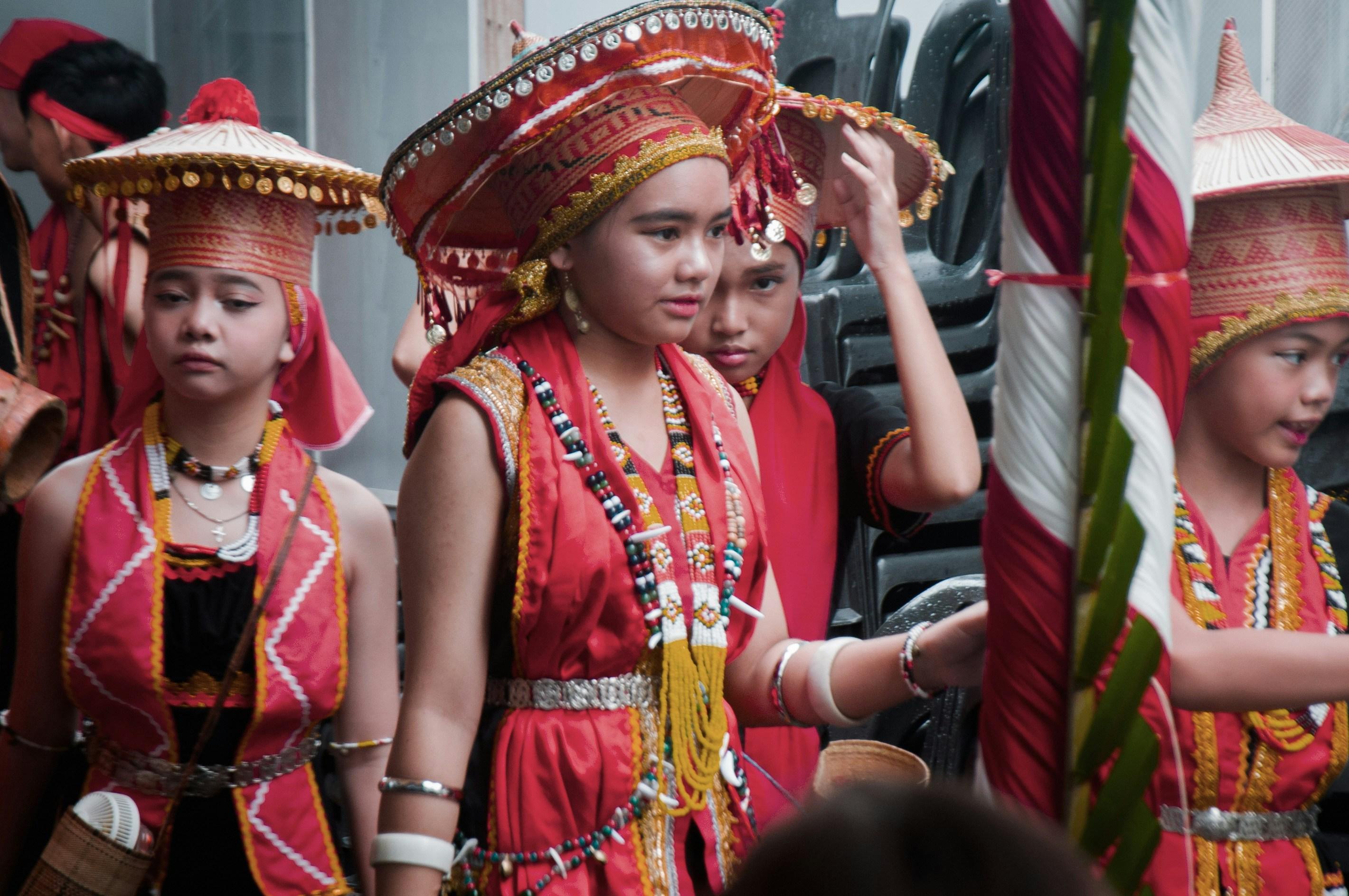
Travel in 2026 is increasingly focused on connection and understanding. With Visit Malaysia 2026 ongoing, there is a stronger emphasis on experiences that go beyond sightseeing. Sarawak represents this shift clearly, offering journeys that are immersive, respectful, and meaningful.
Choosing cultural travel supports local communities and helps preserve traditions. It encourages a more balanced approach to tourism, where both visitors and residents benefit. For travellers, it creates a more fulfilling experience, one that stays with them long after the trip ends.
Practical Tips for Exploring Sarawak’s Culture
- Approach each experience with respect and curiosity.
- Learn about local customs before visiting communities, and follow guidance when participating in cultural activities.
- Dress appropriately, especially in traditional or rural settings, and be mindful when taking photographs.
- Take your time. Cultural understanding develops gradually, not through rushed visits.
- Engaging with local guides can provide valuable insight and context, enhancing the experience.
- Most importantly, remain open. The more you listen and observe, the more meaningful the journey becomes.
Final Thoughts: A Journey That Goes Beyond the Surface
Preview
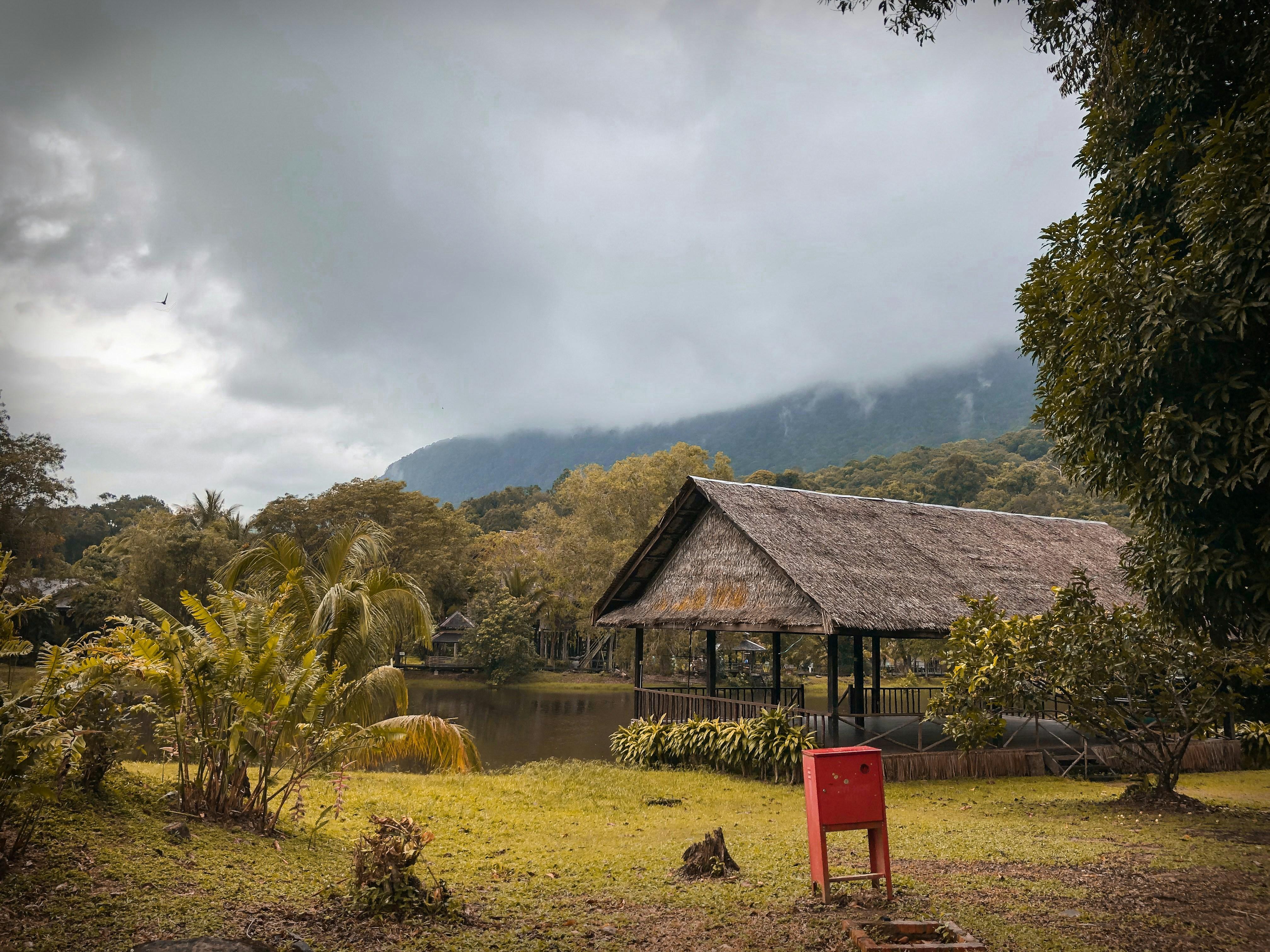
Sarawak is not a destination you simply visit and leave behind. It stays with you, settling quietly into your memory long after the journey is over. What it offers is rare in the truest sense: a cultural experience that is genuine, immersive, and inseparably connected to the land and people that gave rise to it. There are no shortcuts here, no condensed highlights designed to give you the essence of a place in an afternoon. Instead, Sarawak asks something of its travellers. It asks for curiosity, for patience, and for a genuine willingness to engage. In return, it offers stories that have been passed down across generations, traditions that are still very much alive, and communities that welcome those who arrive with an open heart.
If Sarawak has stirred something in you, let that feeling lead somewhere. Connect with LAGO Travel and take the first step toward a journey through heritage in its most authentic, unfiltered form.