


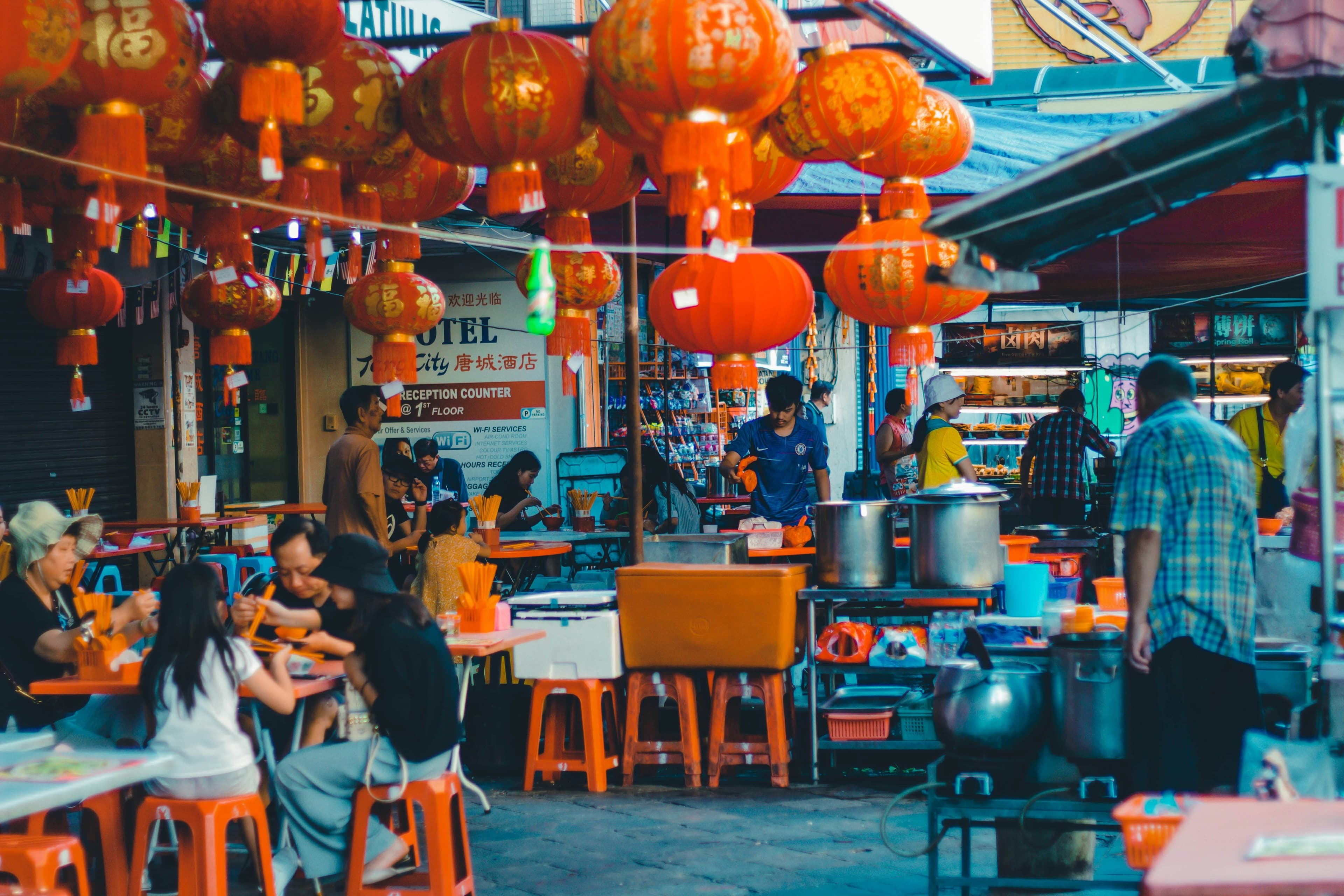
Foodie Weekend Getaways: Where to Eat Your Way Through Malaysia
Some Journeys Begin With a Destination. The Best Ones Begin With an Appetite.
Ask people why they travel, and you hear the usual answers: beaches, mountains, landmarks. Ask a Malaysian, and food sneaks in right away. Here, a meal is never just a meal. It is an introduction, a celebration, and sometimes the whole reason a trip exists. Locals will happily drive three hours for breakfast and argue with total conviction over which town makes the best bowl of noodles.
That passion makes Malaysia a treat for food lovers. Every state has its own flavour personality. Coastal towns serve seafood pulled from the water only hours earlier. Highland kitchens plate vegetables picked that same morning. Heritage cities guard recipes carried across oceans, while village cooks keep making dishes you will rarely find beyond their hometown. Drive two hours and the whole menu changes.
With Visit Malaysia 2026 inviting travellers to look a little deeper, food has become the best way in. Slow down for morning markets, old-school bakeries, floating seafood restaurants, and hidden cafés only locals seem to know. A foodie weekend here is not about eating everything in sight. It is about meeting the people behind the recipes and letting every meal add another chapter to the story.
George Town: Every Street Has a Recipe to Tell
Preview
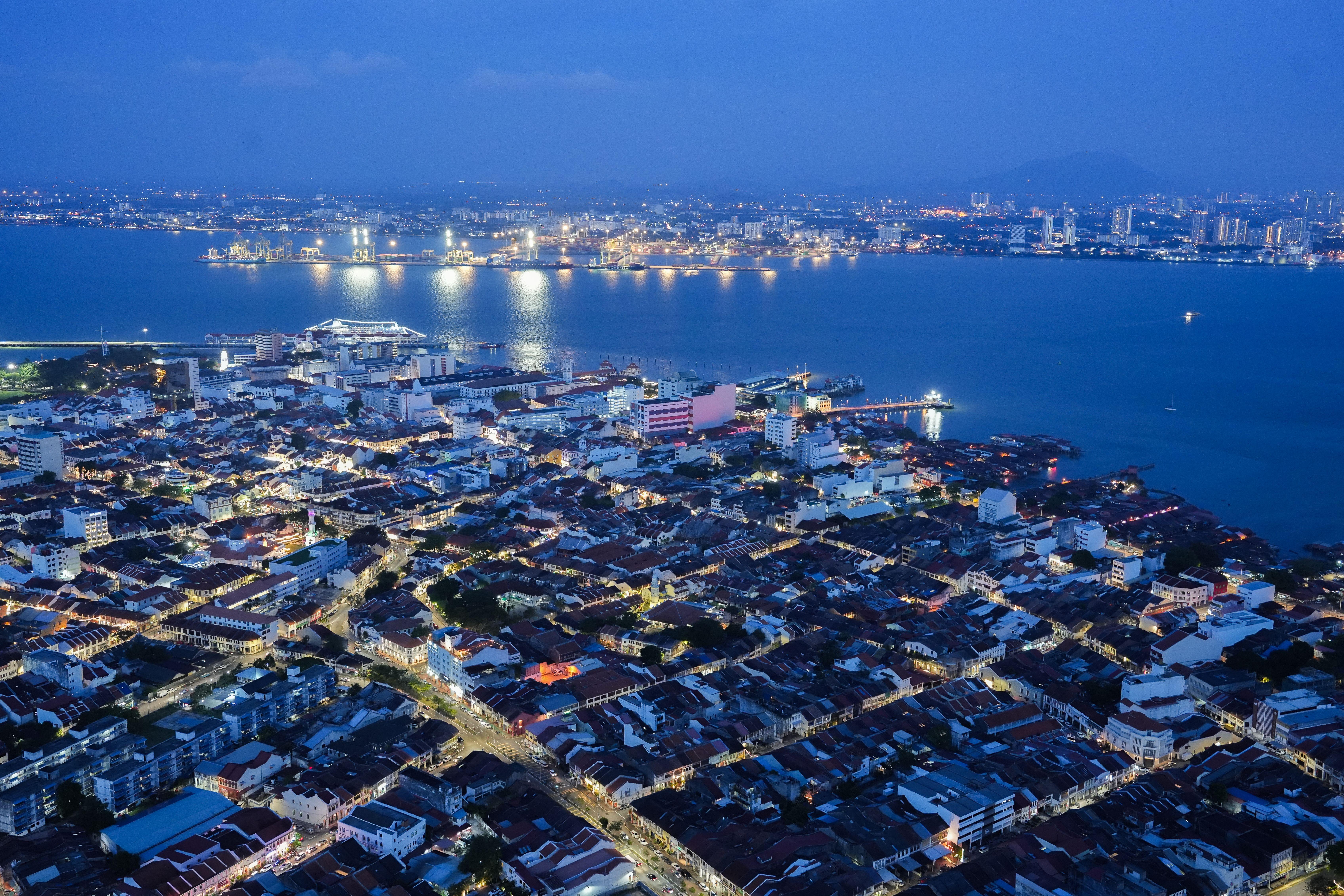
George Town keeps turning up on lists of the world’s greatest food cities, and it earns every spot. Yet many first-timers think a few famous dishes will do before they move on. The truth is richer. George Town is less a collection of restaurants and more a giant living cookbook. Chinese traders, Malay families, Indian spice merchants, Arab entrepreneurs, and European settlers all left ingredients and traditions behind, and together they became something unmistakably Penang.
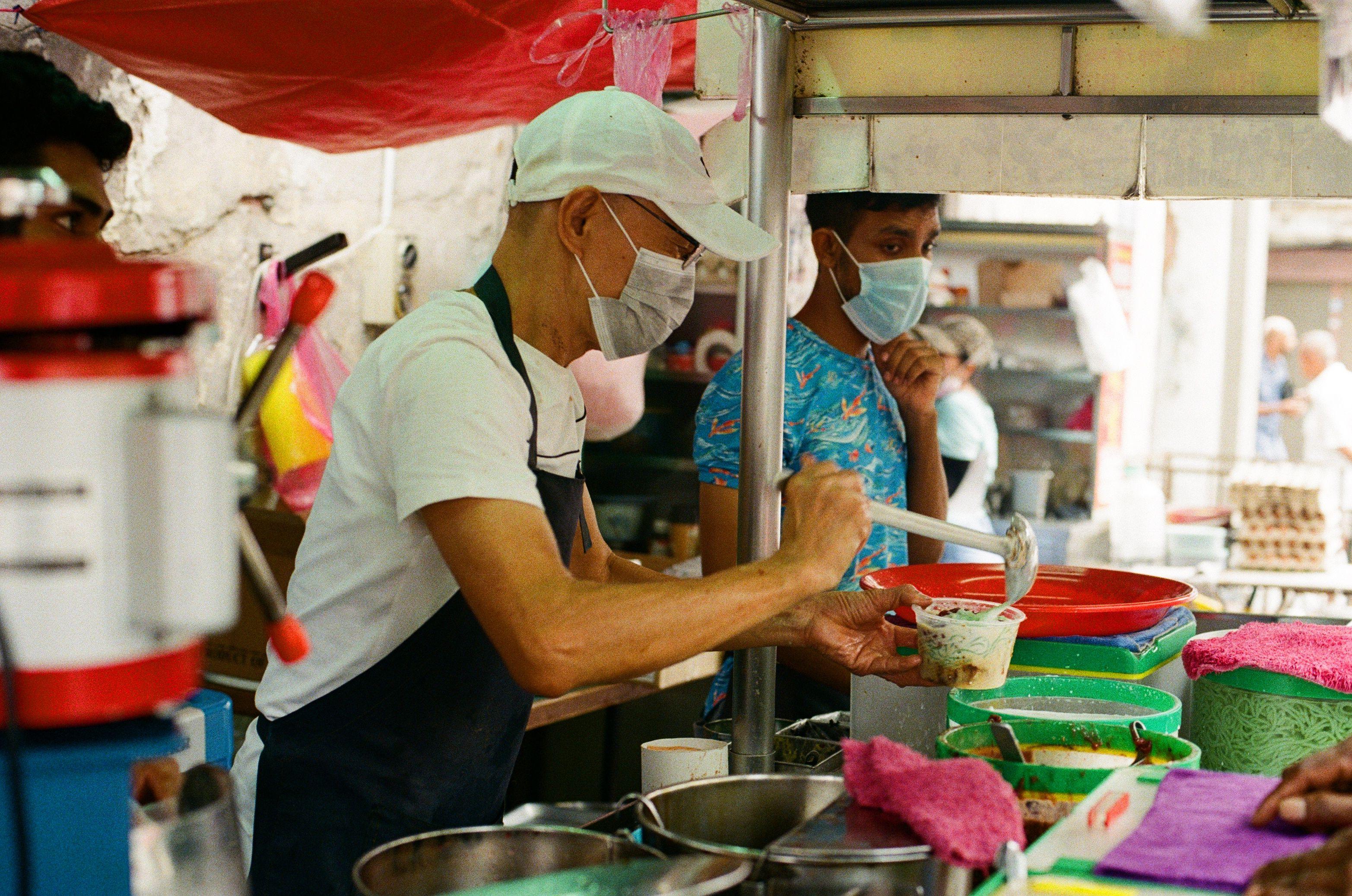
Mornings begin long before the tourists wake. Coffee shops fill with regulars ordering kaya toast, soft-boiled eggs, fragrant kopi, and noodles made the way they have been for decades. Some cafés still roast their own beans, and the aroma drifts through the heritage streets before sunrise. Many hawker stalls are now run by third- or fourth-generation owners who inherited the recipes, and even the regular customers, from their grandparents. Watching them cook the same dish perfectly every time, you realise mastery often comes from repetition, not reinvention.
The famous hawker centres deserve their reputation, but the real treats hide in quieter lanes. Wood-fired bakeries turn out traditional biscuits, spice merchants blend curry powders from closely guarded family formulas, and tiny dessert shops serve recipes that rarely leave Penang. Chat with the vendors, and you may hear how their ingredients once crossed the Strait of Malacca with traders whose descendants still work nearby. Eating here is not about ticking dishes off a list. It is about tasting history, one bite at a time.
Ipoh: Where Simplicity Becomes Extraordinary
Preview
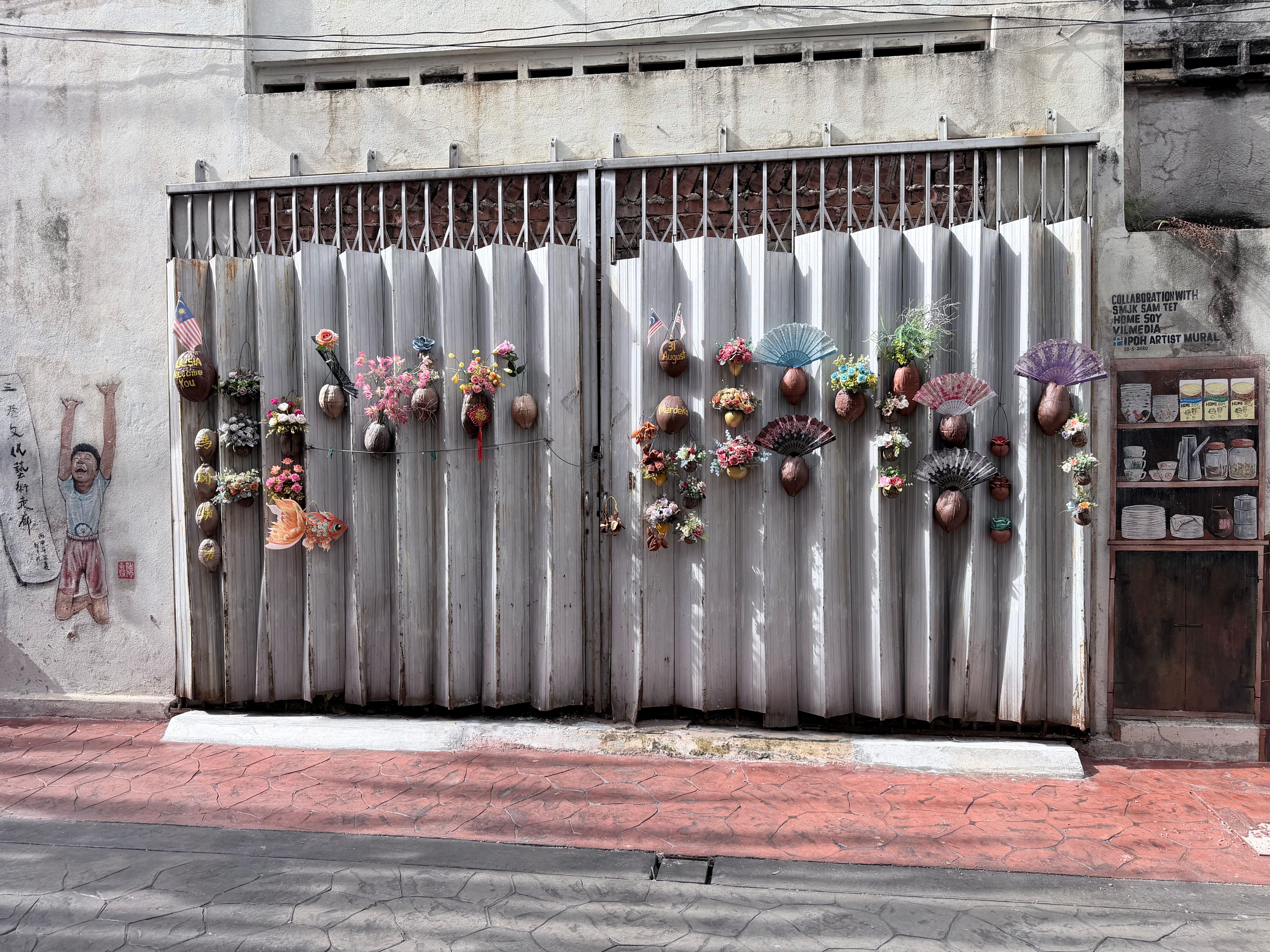
If Penang is about variety, Ipoh is about doing simple things exceptionally well. Its food fame rests not on extravagance but on great ingredients and generations of quiet consistency. Locals swear the limestone-filtered water gives their noodles, bean sprouts, and coffee a special texture. Science may or may not back them up, but ask about it, and you will get a passionate answer.
White coffee is Ipoh’s most famous export, yet few visitors see the craft behind it. They slowly caramelise beans with margarine and sugar, giving a smoother cup than darker roasts. Independent kopitiams still roast in small batches for customers who have turned up every morning for decades. An hour in one tells you more about everyday Malaysian life than any guided tour could.
Ipoh also rewards the curious beyond its signature dishes. Salt-baked chicken, silky bean curd desserts, handmade biscuits, and Cantonese classics all reflect its multicultural roots. Stroll the heritage streets between meals, and you will find restored buildings where young chefs reinterpret local flavours without losing their soul. Here, tradition and creativity do not compete. They share the same table.
Muar: Johor's Quiet Culinary Champion

Preview
Many travellers cross into Johor and head straight for the bigger names, quietly skipping Muar. That is their loss. Locals call it a food lover’s paradise, packed with heritage, riverside charm, and an astonishing range of specialities in one walkable town. Unlike larger cities, there are no all-day queues here, just excellent food and a wonderfully relaxed weekend pace.
Otak otak is Muar’s best-known treat, and the local version is a little different. Fresh fish blended with fragrant spices is wrapped in banana leaves and grilled over charcoal, so the smokiness hugs the filling instead of drowning it. Nearby cafés serve Hainanese chicken chop, handmade noodles, satay, and desserts from recipes that have outlasted every food trend. Most places are still family-run, so chatting with the owner feels as natural as ordering.
Then there are the bakeries. Chinese pastries, butter cakes, and nostalgic biscuits draw loyal fans from across Johor every weekend, and many ovens fire up before dawn. The smell drifts through the streets just as the morning market wakes up. Add a riverside stroll and some colourful street art, and Muar proves a memorable weekend does not need a famous landmark. Every meal brings its own story.
Kuala Terengganu: Seafood at the Source
Preview
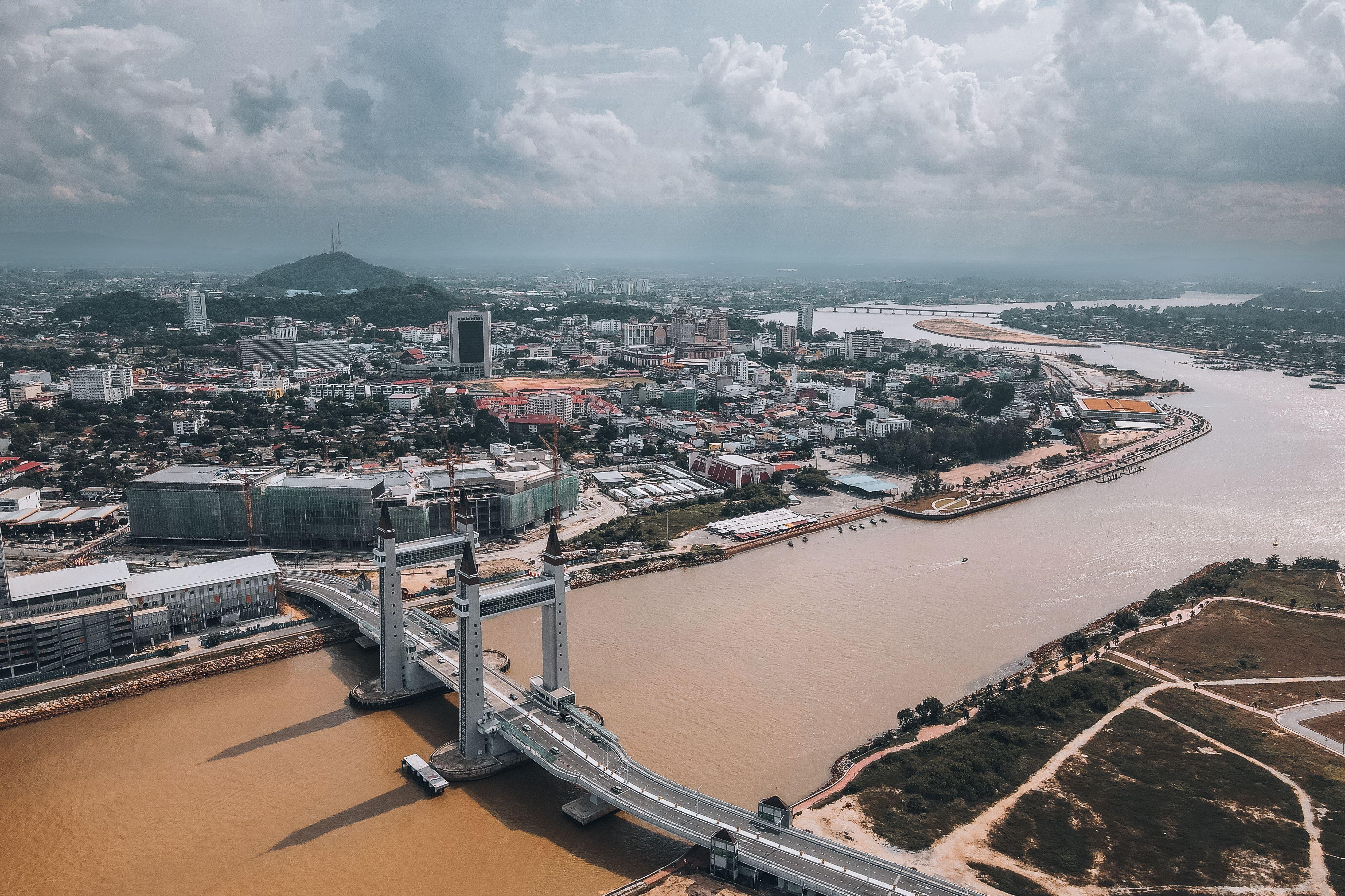
There is seafood, and then there is seafood eaten within sight of the boats that caught it. Kuala Terengganu serves exactly that. Fishing has shaped this city for centuries, so the markets overflow every morning with giant prawns, blue swimmer crabs, squid, snapper, stingray, and shellfish pulled from the sea only hours earlier.
Restaurants here keep things wonderfully simple, because great ingredients need very little help. They grill fish with spices and cook prawns, crabs, and squid to let freshness do the talking. The real twist is the generous use of herbs and coconut milk, a flavour signature that sets the east coast apart from the west.
No foodie weekend here is complete without the famous Central Market. Beyond seafood, you will find handmade snacks, local fruits, traditional sweets, dried fish, and fragrant spice blends sold by families who have run the same stalls for generations. Chat with the vendors, and you'll leave with cooking lessons and tips no travel app could ever give you.
Kota Bharu: Tradition Served Every Morning
Preview
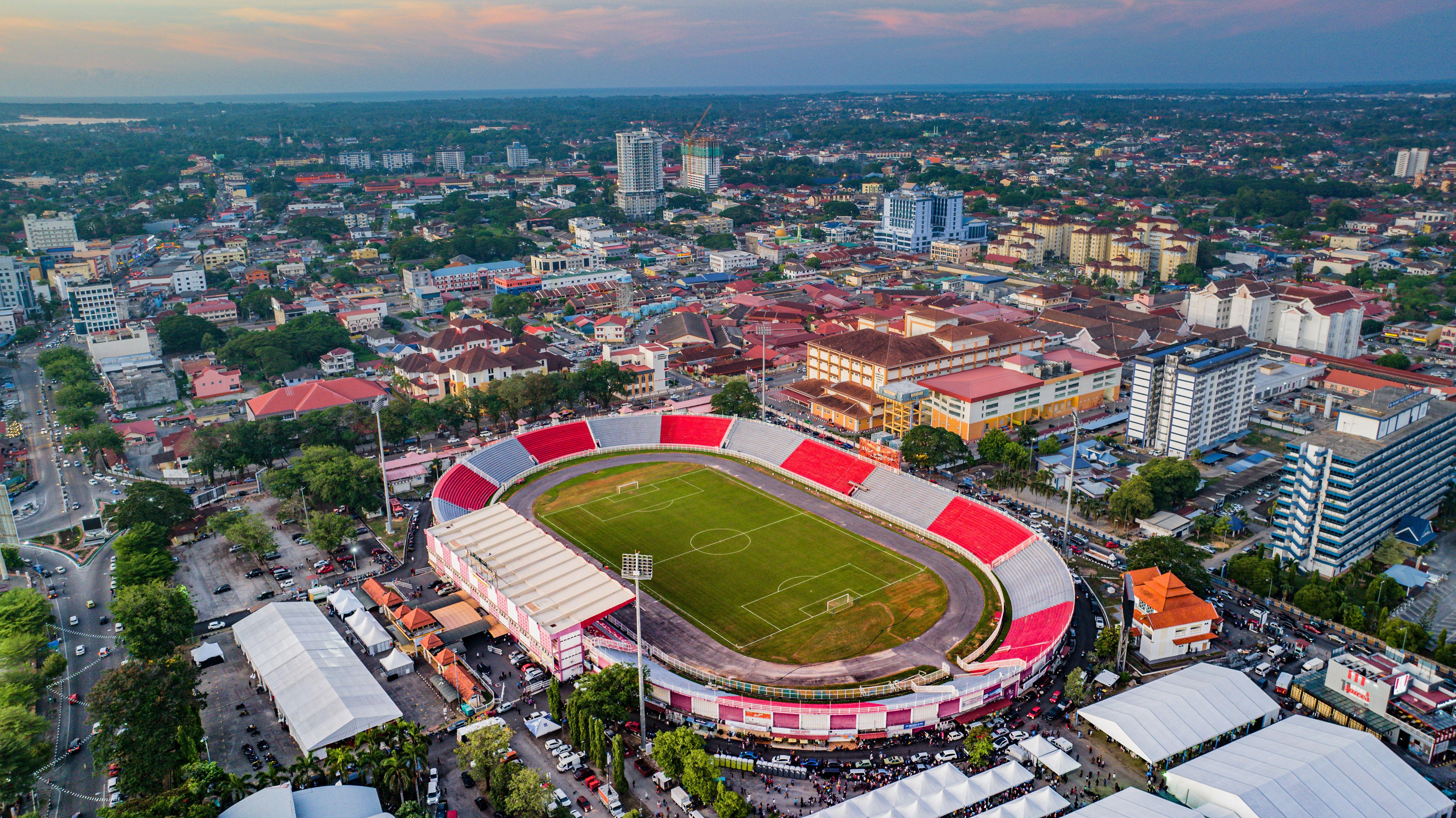
Kota Bharu is one of Malaysia’s most distinctive cities, and you can taste it. Kelantanese food loves a touch of sweetness more than most of the country, and the flavours surprise even seasoned travellers. Breakfast alone is an adventure, with markets piled high with nasi kerabu, nasi dagang, colourful kuih, grilled fish, and desserts you will rarely see elsewhere.
The morning markets are the real joy. Built for locals, not tourists, they offer chatter, friendly bargaining, and community life in full swing. Unfamiliar ingredients sit beside traditional cooking tools and locally grown produce, a delicious reminder of how closely this cuisine stays tied to the land.
Centuries of influence from neighbouring Thailand also season the city’s kitchens, proof that Malaysian food grows through exchange, not isolation. Borders may be drawn on maps, but flavours have never followed the lines.
Kuching: Borneo on a Plate
Preview
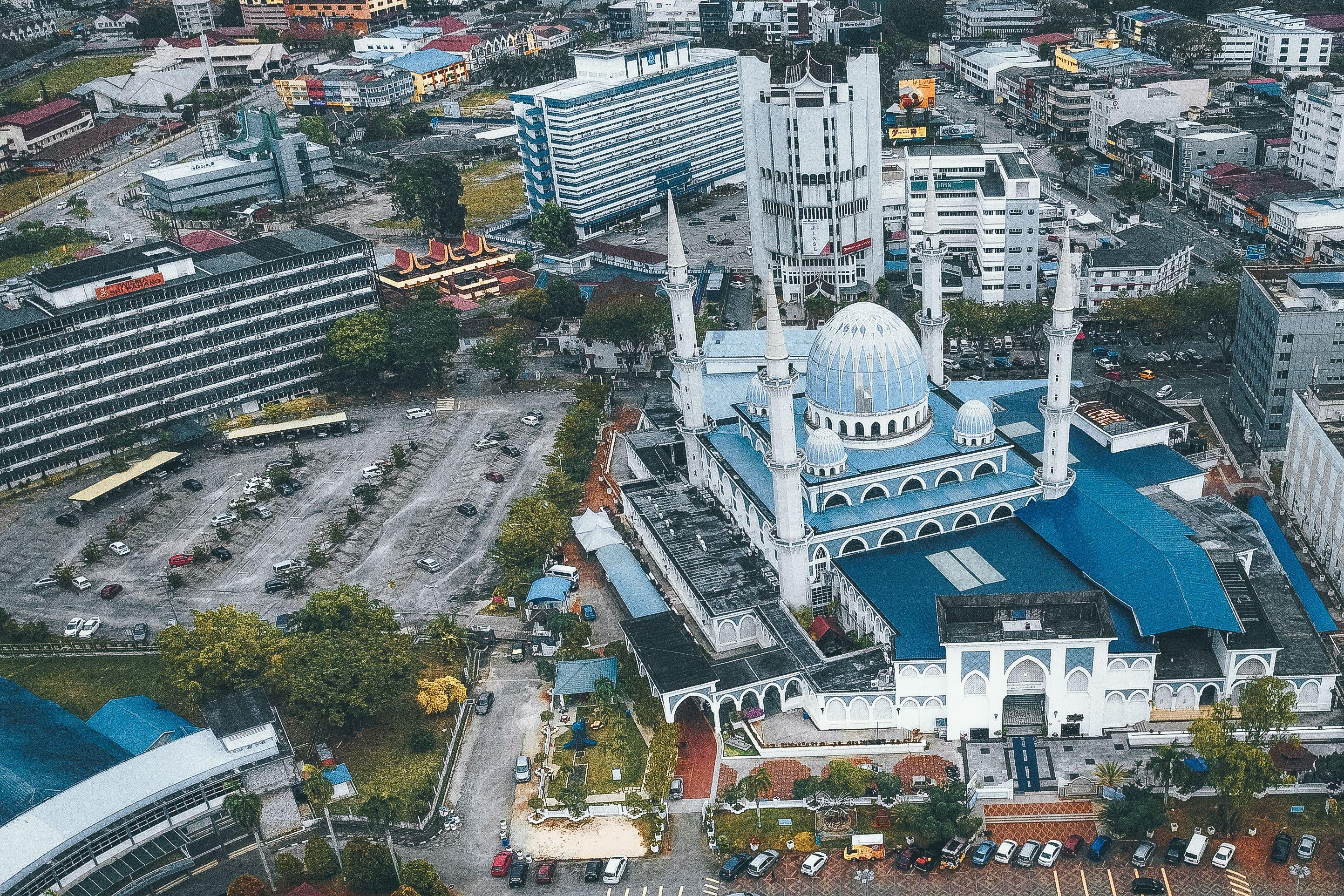
Food in Kuching feels worlds apart from Peninsular Malaysia, because Sarawak’s jungles, indigenous communities, and rich biodiversity put ingredients on the plate you will rarely meet elsewhere. Sarawak Laksa deserves its legend, but it is only the opening act. Jungle vegetables, freshwater fish, bamboo cooking, and age-old indigenous recipes combine to create unmistakably Bornean flavours.
Wander through a weekend market, and you will spot wild ferns, forest mushrooms, local fruits, homemade rice wine, and smoked meats you may never have seen before. Then head to a pepper farm outside the city. Sarawak grows some of the world’s finest pepper, and a fresh berry straight from the vine tastes nothing like the dried kind in your kitchen. Some of the best food lessons happen far from the dining table.
Cameron Highlands: Freshness You Can Taste
Preview
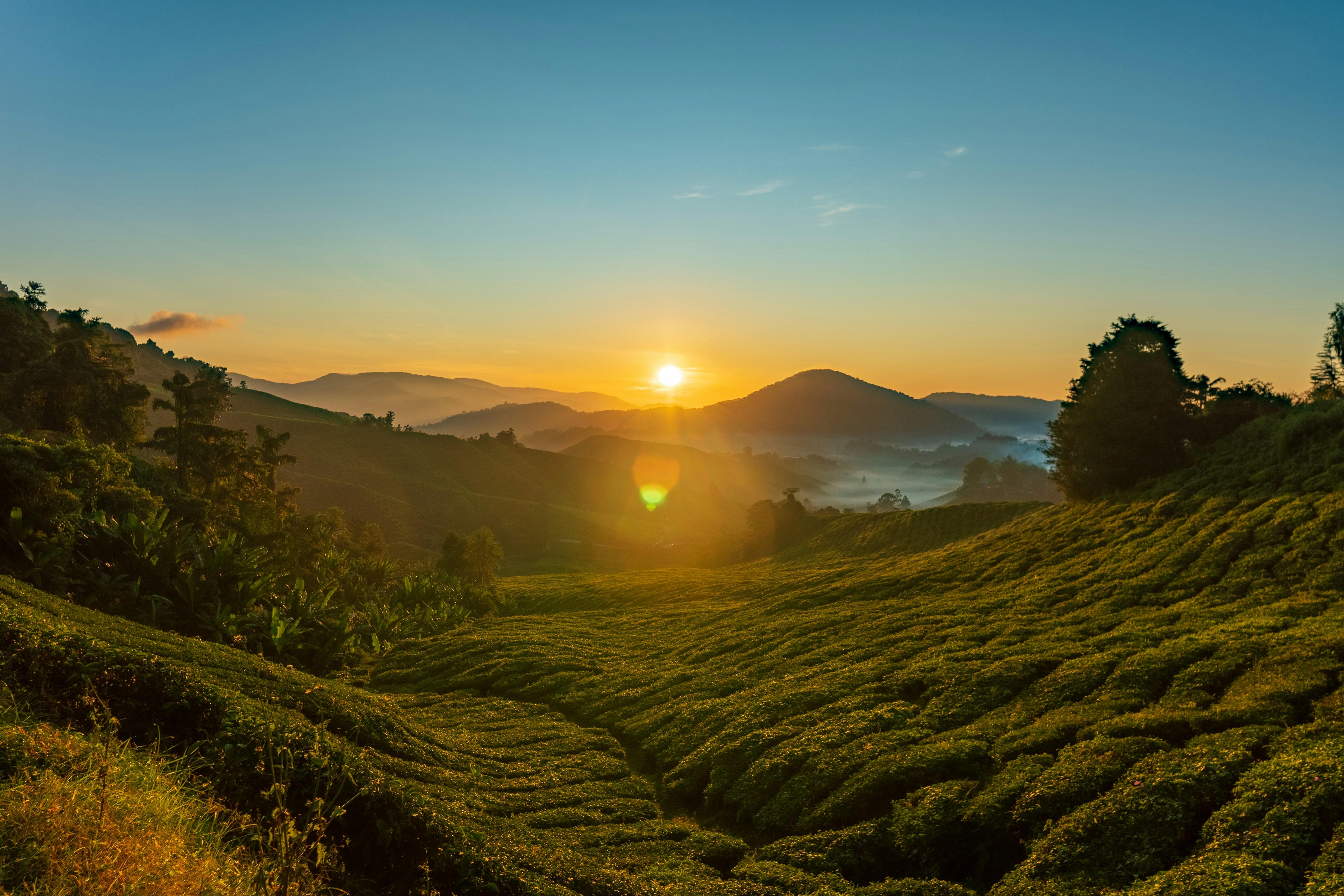
Cameron Highlands is where mountain escapes and food adventures meet. The cool air grows what the tropical lowlands cannot: crisp lettuce, fragrant herbs, juicy strawberries, tomatoes, mushrooms, flowers, and tea. Many restaurants skip the middleman entirely and pick vegetables from nearby farms only hours before they reach your plate.
That makes a highland steamboat dinner a must, with greens and mushrooms so fresh they taste like the hillside. Then wander through a tea plantation and follow the leaves from field to freshly brewed cup, all on the same property. Chat with the farmers, and you will learn how altitude shapes flavour and why sustainable farming matters more every year. Suddenly, a simple salad tells a story.
Why Food Is the Best Way to Understand Malaysia
Preview
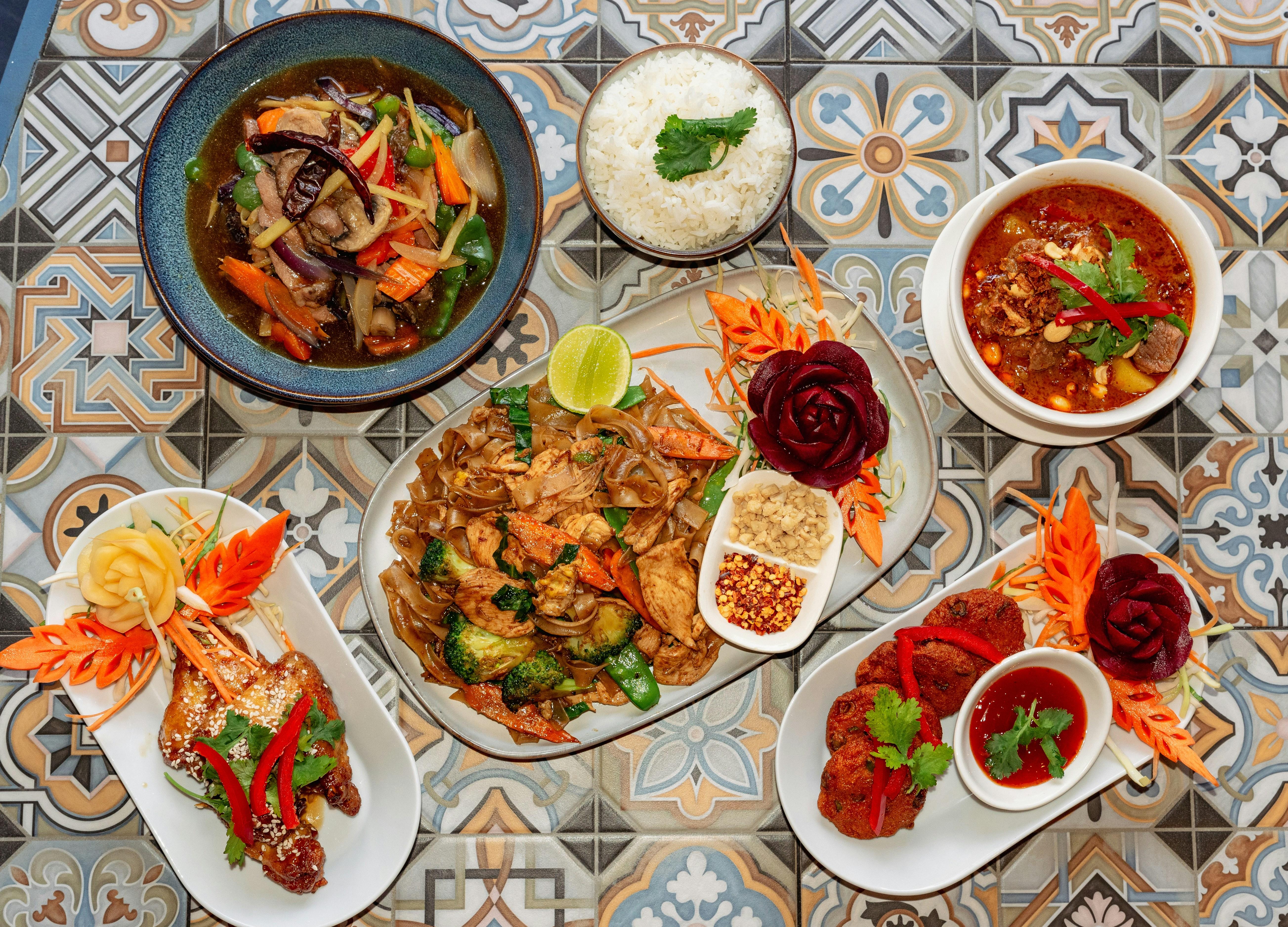
Every Malaysian dish carries a little history. Some recipes sailed in with traders centuries ago and adapted to local ingredients. Others were born from inter-community marriages or from indigenous wisdom passed down for generations. Food tells the country’s story best because everyone joins in, whatever their language, religion, or background.
Eat your way through Malaysia, and the patterns reveal themselves. Coasts celebrate seafood, highlands brag about fresh produce, heritage cities guard multicultural recipes, and village kitchens keep traditions that never made it to fame. Together they draw a map just as fascinating as any geographical one.
With Visit Malaysia 2026 inviting travellers to go deeper, a foodie weekend is the tastiest way to start. Each breakfast introduces a neighbourhood, each market a community, and each shared table another story.
Final Thoughts: Every Meal Is a New Destination
Preview
The best foodie weekends are never measured by how many restaurants you visit. You remember them for chats with market vendors, early breakfasts shared with locals, family recipes cooked just as they were decades ago, and surprise flavours that change how you see a place. Malaysia serves all of this and more, one meal at a time.
From George Town and Ipoh to Muar, Kuala Terengganu, Kota Bharu, Kuching, and Cameron Highlands, every region adds its own delicious chapter. If you believe great travel starts around a dining table, not a landmark, now is the perfect time to go. Let LAGO Travel plan your culinary escape, and let your next adventure begin with the first bite.