


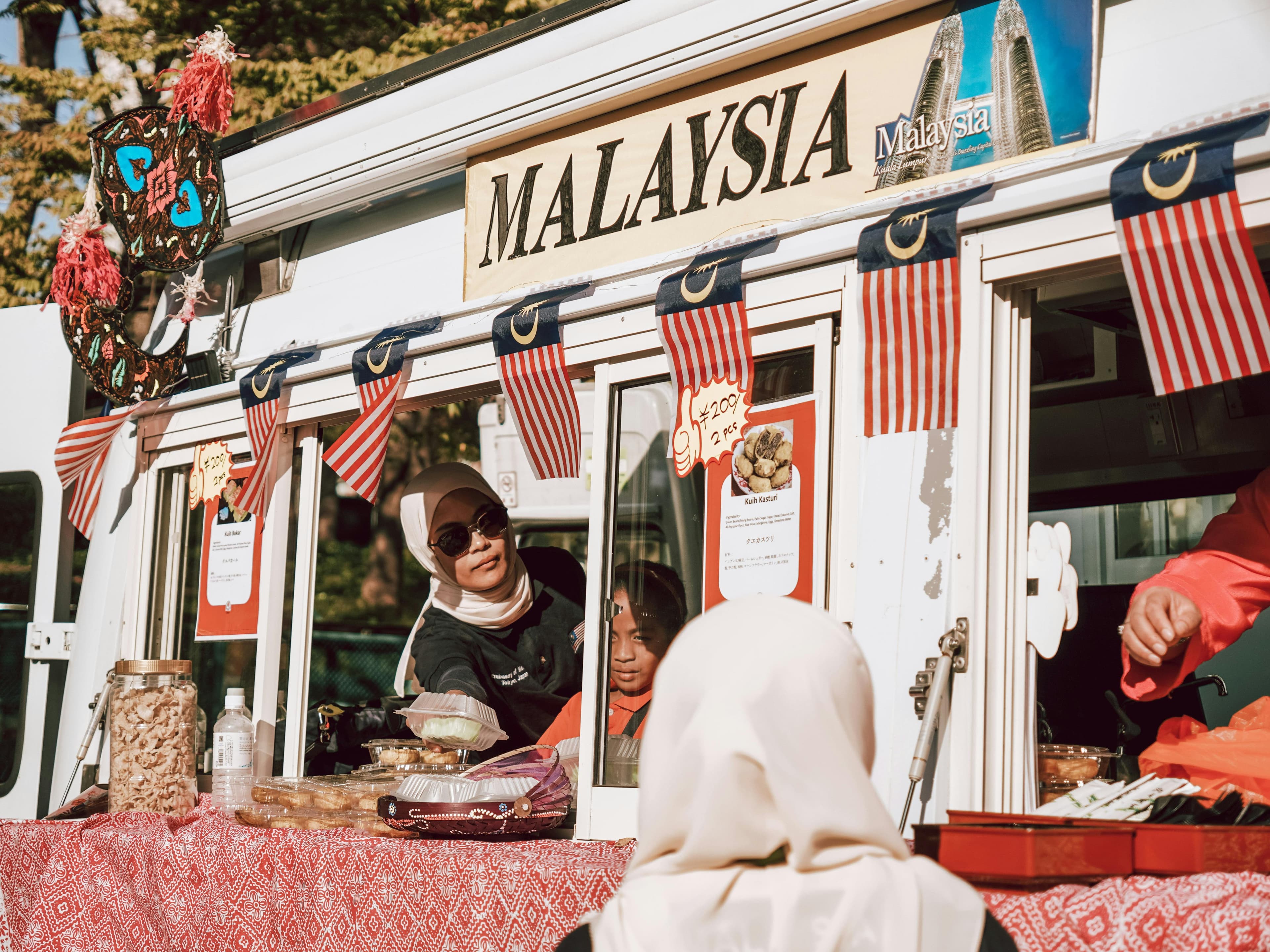
Stories from the Locals: Discovering Malaysian Culture Beyond the Surface
The Hook: When Travel Feels Too Surface Level
It is easy to travel without truly arriving. You visit landmarks, take photos, try a few local dishes, and move on. The itinerary is full, the camera roll even fuller, yet something feels incomplete. The places were beautiful, but the connection felt distant. This is the quiet gap many travellers begin to notice.
Because culture is not something you simply see. It is something you experience through people. Through conversations, shared meals, gestures, and stories that do not appear on maps. Malaysia is one of those destinations where this deeper layer exists everywhere, just beneath the surface. A country shaped by Malay, Chinese, Indian, and indigenous influences, a single narrative does not define its identity, but many.
With Visit Malaysia 2026 now ongoing, the focus is shifting beyond sightseeing toward experiences that feel more human and meaningful. Travellers are no longer just looking for destinations. They are looking for understanding. And that understanding begins with listening.
The most memorable parts of a journey often come from the people you meet along the way. A café owner shares how a recipe has been passed down for generations. A guide explaining the significance of a local festival. A quiet conversation that changes how you see a place. These are the stories that stay with you.
Why Local Stories Matter in Travel
Preview
Travel becomes richer when it becomes personal. Local stories transform destinations from places into lived experiences. They reveal how traditions are practised, how communities evolve, and how culture continues to adapt while staying rooted.
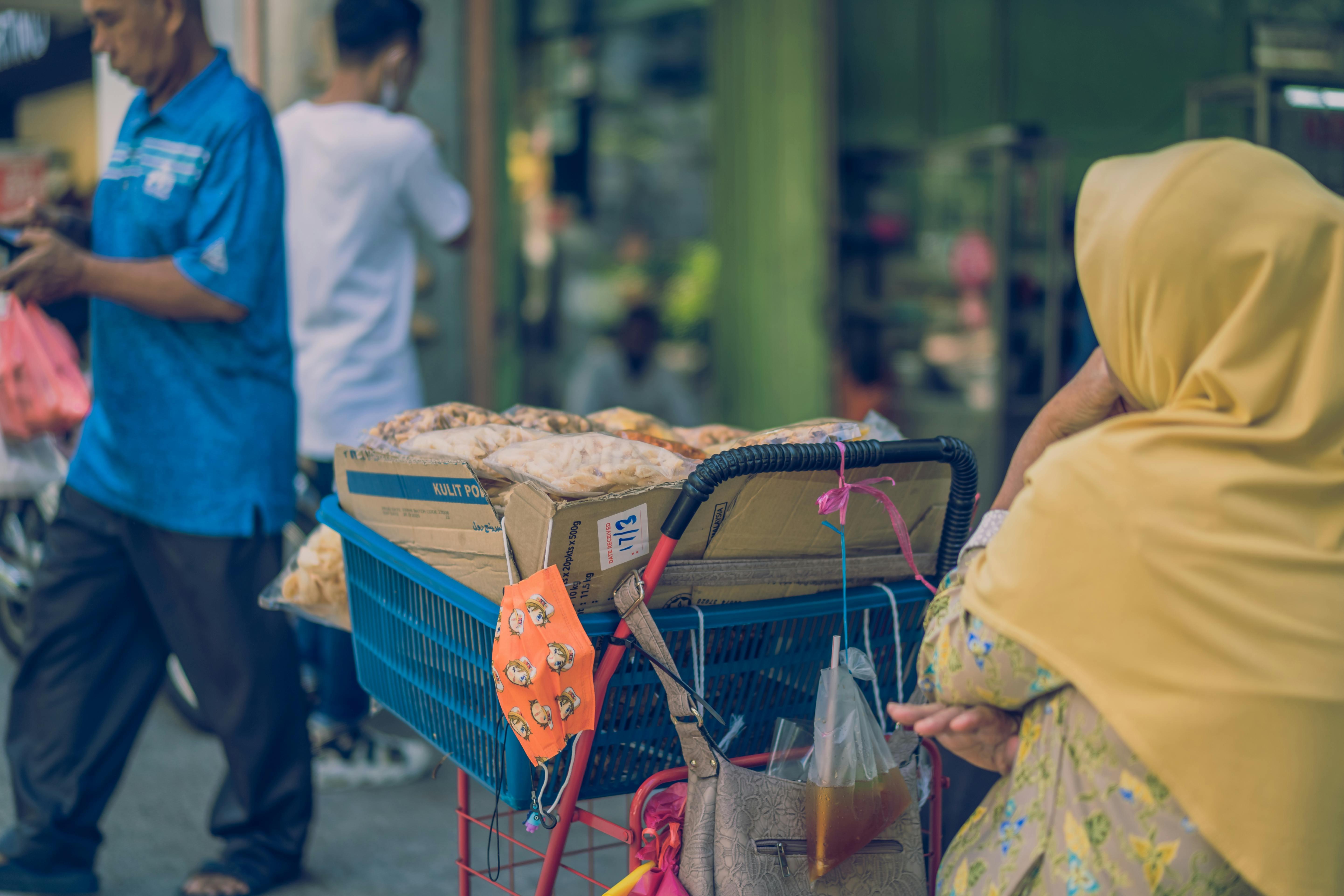
In Malaysia, culture is not confined to museums or performances. It exists in everyday life. In morning markets, family-run eateries, places of worship, and neighbourhood streets where generations have lived side by side.
Listening to local perspectives adds depth to your journey. You begin to notice details that would otherwise pass by unnoticed. The meaning behind a dish. The significance of a festival. The history behind a building. This is what makes cultural travel so powerful. It encourages curiosity over checklist thinking. It invites travellers to slow down and engage rather than simply observe.
Malaysia’s diversity makes it especially rewarding for this kind of exploration. Each region carries its own stories, shaped by geography, migration, and tradition. And when you take the time to listen, the country reveals itself in ways that feel genuine and unforgettable.
The Voices That Shape Malaysia
Preview
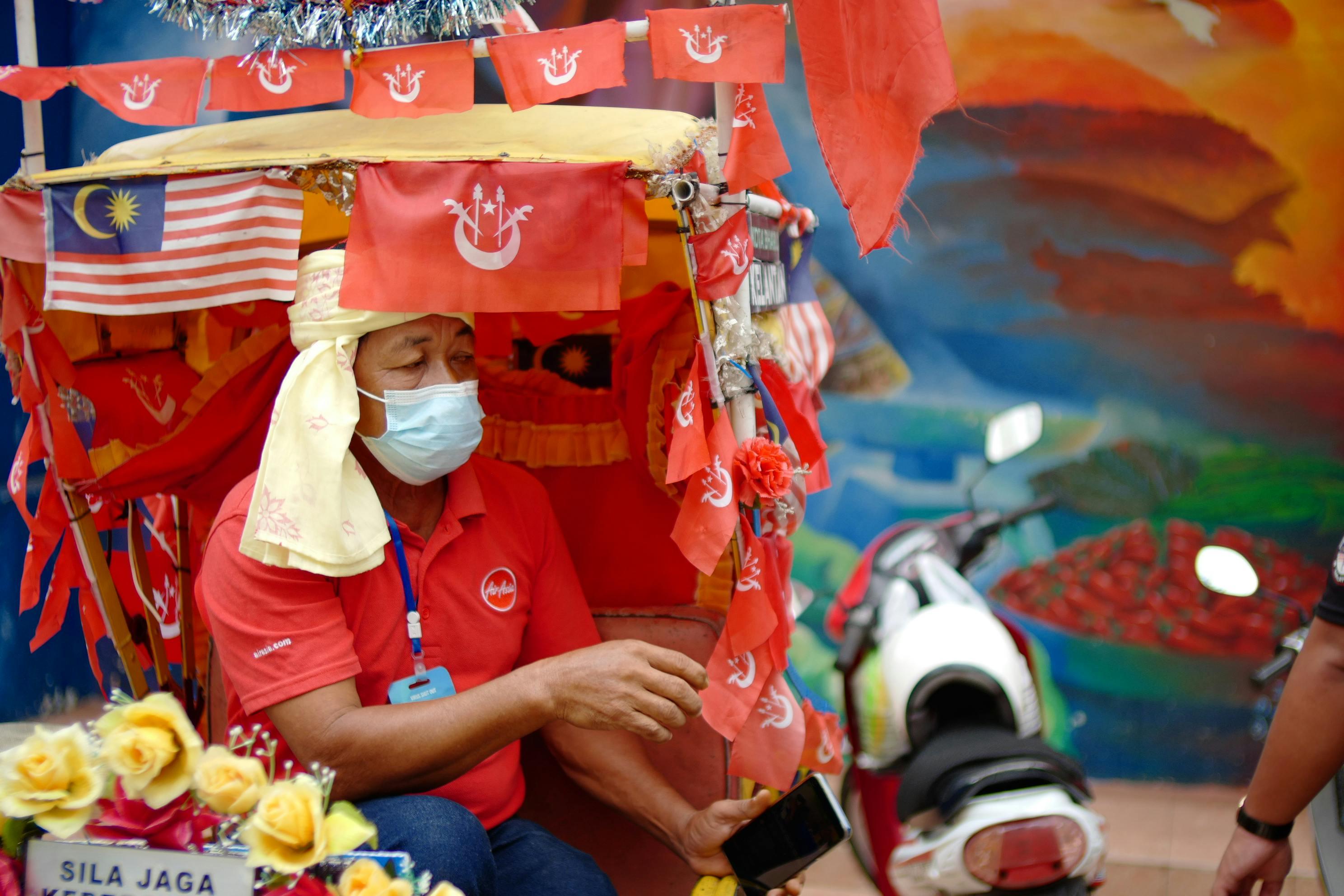
The Hawker Who Knows Every Customer
In many parts of Malaysia, food is more than sustenance. It is identity, memory, and connection. At a hawker stall, you might meet someone who has been cooking the same dish for decades. Recipes are often inherited, refined over time, and protected with quiet pride. The way noodles are prepared, the balance of spices, even the timing of each step, carries meaning. Regular customers are greeted by name.
Orders are remembered without being spoken. Conversations flow easily, creating a sense of familiarity even for first-time visitors. Through these interactions, you begin to understand that Malaysian food culture is deeply personal. It is not just about taste, but about relationships built over time.
The Artisan Keeping Traditions Alive
Across Malaysia, artisans continue to practice crafts that have been passed down through generations. Batik painting, songket weaving, wood carving, and pottery are not just skills. They are cultural expressions shaped by history and environment. Meeting an artisan offers insight into the patience and dedication behind each piece. You see how patterns are created, how materials are chosen, and how techniques are preserved.
These conversations often reveal something deeper. A commitment to keeping traditions alive in a rapidly changing world. For travellers, these moments provide a connection to heritage that cannot be replicated through mass-produced souvenirs.
The Guide Who Tells Stories, Not Just Facts
A good guide does more than explain what you are seeing. They bring places to life. In Malaysia, local guides often share personal perspectives alongside historical context. They might tell stories about their childhood, how a neighbourhood has changed, or what a festival means to their community.
These narratives add layers to familiar sights. A street becomes more than architecture. A temple becomes more than a landmark. You begin to see how spaces are lived in, not just visited. This human element turns a simple tour into a meaningful experience.
The Village Host Who Welcomes You In
In rural areas, especially in kampung villages, hospitality feels natural and unforced. Visitors who stay in homestays often experience daily life in its simplest form. Meals are shared. Stories are exchanged. Routines are observed rather than scheduled. You might learn how traditional dishes are prepared, join in small daily activities, or simply sit and talk.
These interactions are not staged. They are genuine. And it is here, in these quiet moments, that travellers often feel the strongest connection to Malaysian culture.
Cultural Layers Across Malaysia
Preview
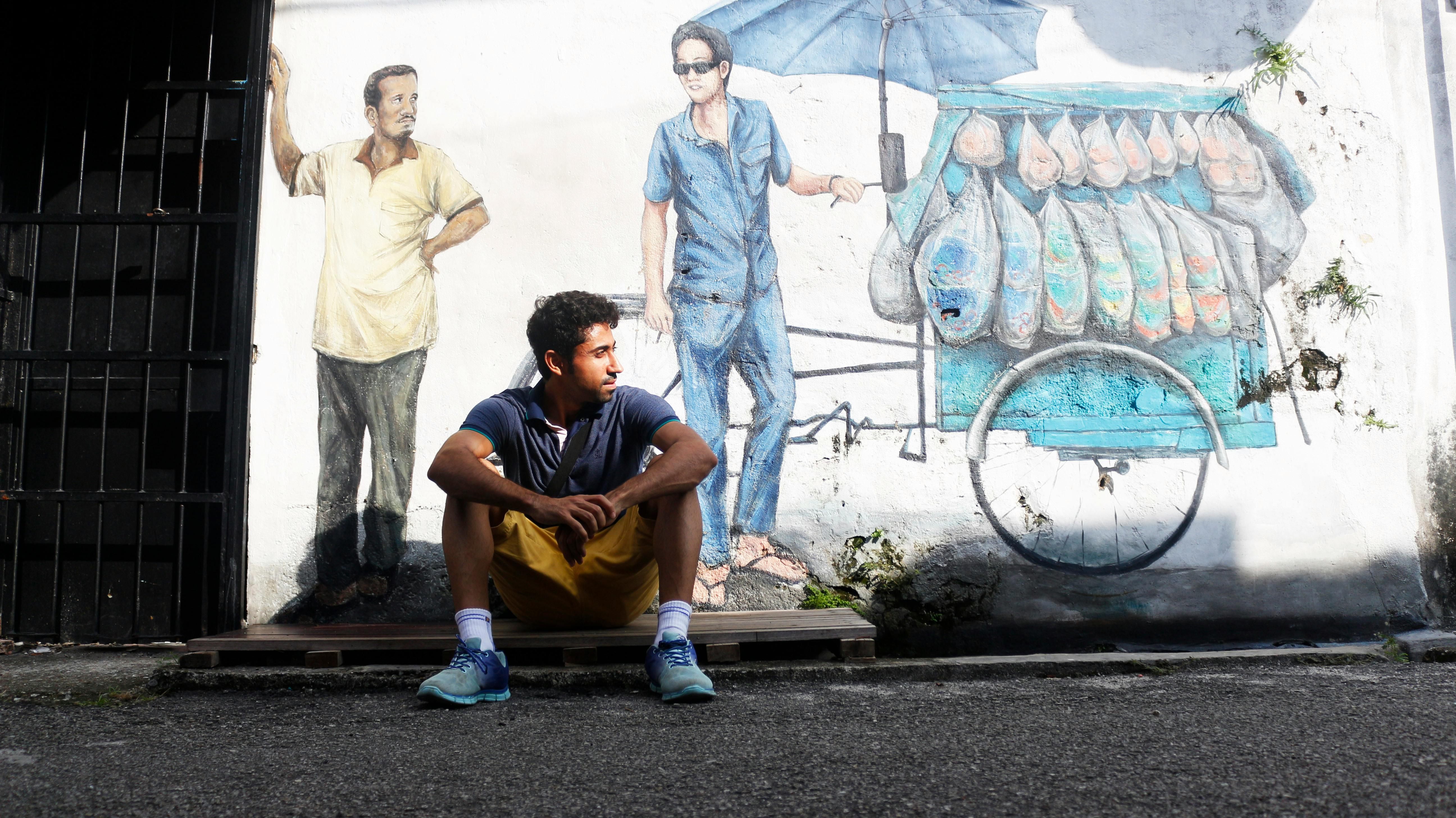
Malaysia’s cultural richness comes from its diversity. Malay traditions are reflected in language, cuisine, and customs rooted in the region’s history. Chinese influences are visible in festivals, architecture, and food culture. Indian heritage adds depth through religious practices, music, and culinary traditions. Indigenous communities across Sabah and Sarawak contribute their own unique identities, shaped by close relationships with nature. These cultures do not exist separately. They intersect, influence, and evolve together.
This creates a dynamic cultural landscape where differences are not just present but celebrated. For travellers, this means every destination offers a slightly different story. Penang feels different from Malacca. Sabah feels different from Kuala Lumpur. Yet all are connected through a shared sense of identity.
Moving Beyond Observation to Connection
Preview
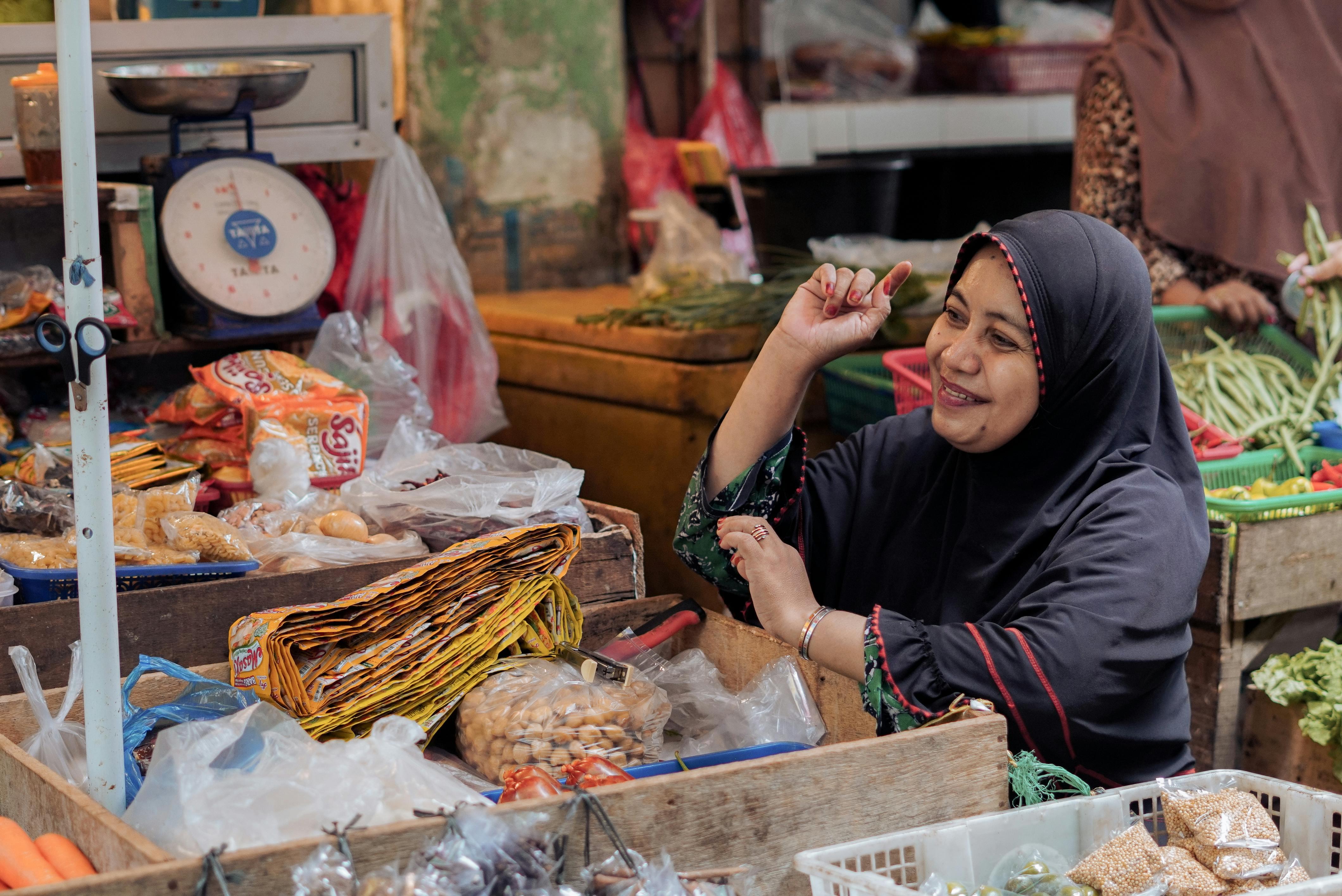
Experiencing culture requires participation. It means asking questions, showing respect, and being open to learning. It also means slowing down enough to notice what is happening around you. Simple actions can create meaningful connections. Sitting longer at a café. Speaking to a vendor. Attending a local event. Walking through neighbourhoods without a strict plan. These choices shift travel from passive to active. They allow you to engage with Malaysia as it is lived, not just presented.
Why This Matters for Travel in 2026
Preview
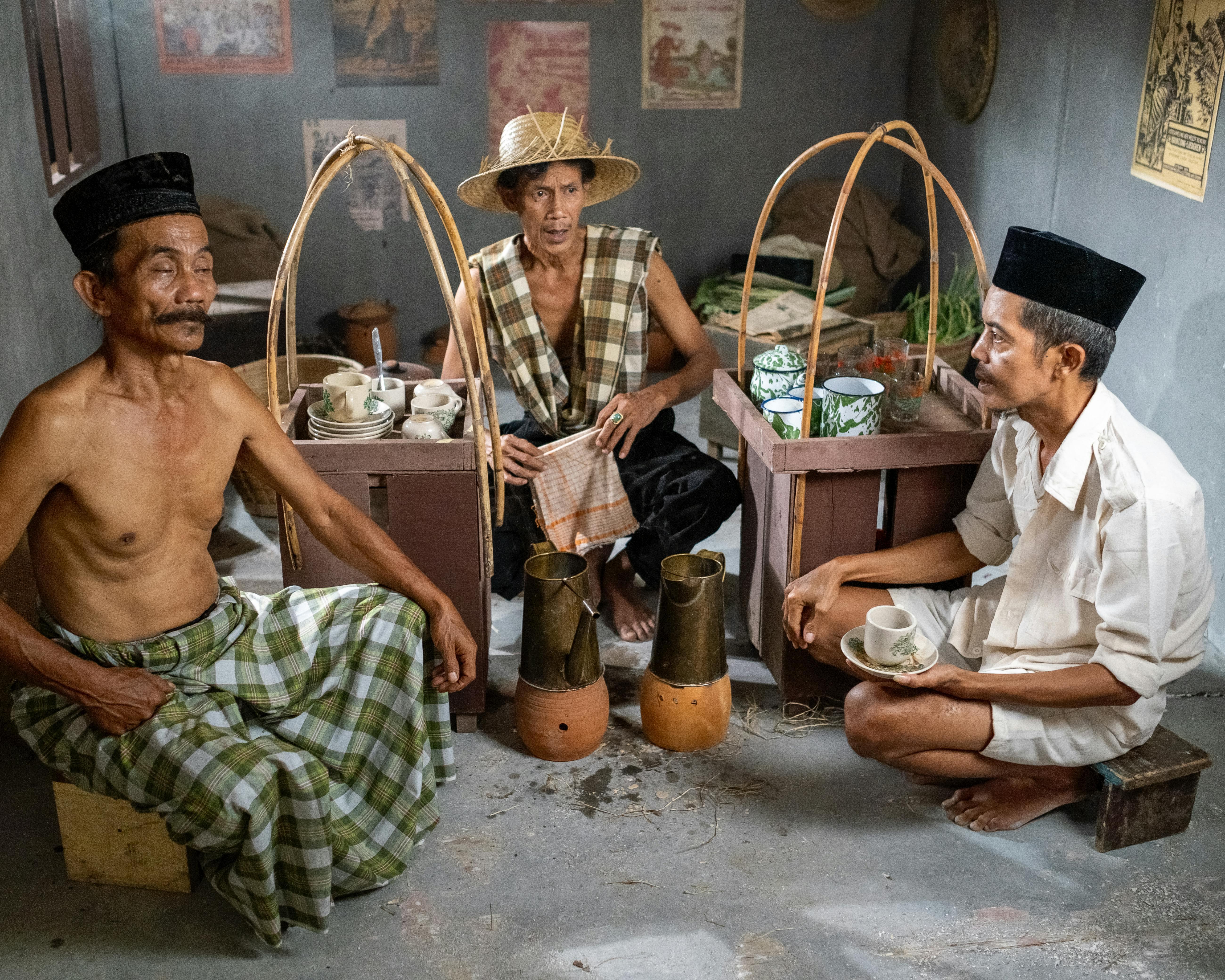
As Visit Malaysia 2026 continues, there is a growing emphasis on experiences that feel authentic and responsible. Travel is no longer just about increasing visitor numbers. It is about creating meaningful interactions that benefit both travellers and local communities. Engaging with local stories supports small businesses, preserves traditions, and encourages cultural appreciation. It also creates more fulfilling travel experiences. When you understand a place through its people, the memories feel deeper and more lasting.
Practical Tips for Cultural Travel in Malaysia
- Approach each interaction with respect and curiosity.
- Learn a few basic local phrases. It shows effort and often opens doors to warmer conversations.
- Dress appropriately when visiting religious or cultural sites. Observe local customs and follow guidance when unsure.
- Support local businesses whenever possible. Choose family-run eateries, handmade products, and community-based experiences.
Take your time. Cultural understanding does not happen quickly. It develops through moments, not milestones.
Final Thoughts: The Stories You Carry Home
Preview
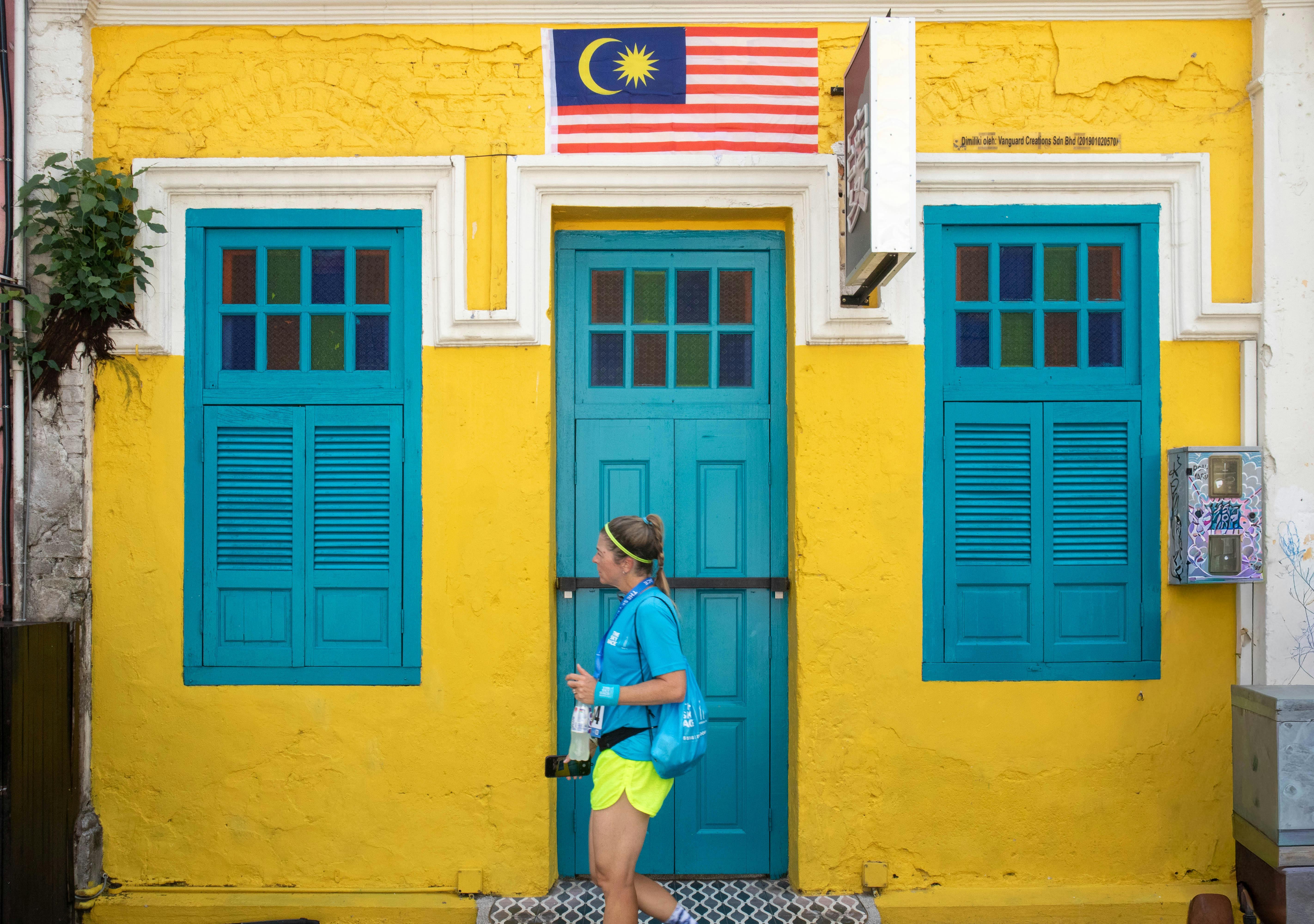
The most valuable souvenirs are not objects. They are stories. Stories of people who welcomed you, conversations that stayed with you, and moments that changed how you see the world. Malaysia offers these experiences generously to those willing to look beyond the surface. To explore deeper, more meaningful journeys, discover curated cultural experiences at LAGO Travel and let your next trip be shaped by stories that truly matter.