


Peak Freshness: A Guide to Farm to Table Tours in Malaysia’s Highlands
The Highland Appetite
Preview
Malaysia’s lowlands move to a tropical rhythm. Warm air rises from city streets, markets buzz with energy, and the scent of grilled spices drifts through night stalls long after sunset. But travel north into the mountains, and everything changes.
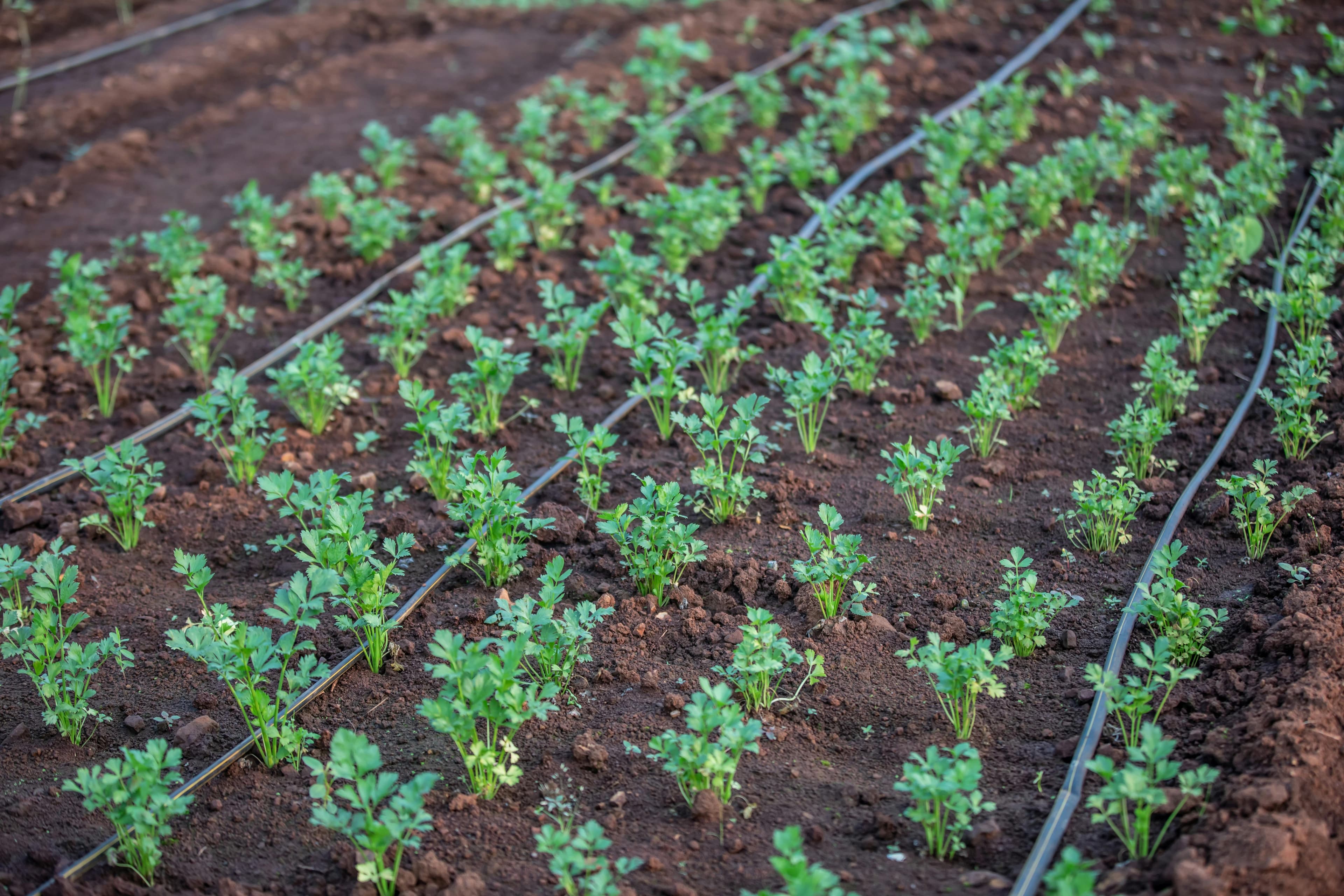
The road begins to climb into the misty folds of the Titiwangsa Range, Malaysia’s mountainous spine. The temperature drops. The air sharpens. Morning fog settles gently over terraces of green, and rows of vegetables glisten with dew. Up here, appetite feels different.
Food tastes fresher, more vibrant. Lettuce snaps with the crispness of cool soil. Strawberries carry a delicate sweetness balanced by the mountain air. Tea leaves release floral aromas as they unfurl in hot water.
This is the world of Malaysia’s highland farms, where the concept of farm-to-table tours becomes more than a trend. It becomes a way of experiencing the land itself.
Across the world, agritourism has emerged as one of the most meaningful forms of travel. Instead of simply eating local cuisine, travellers want to understand where it begins. They want to walk through the fields, meet the growers, and witness the journey from soil to plate.
Malaysia is embracing this movement as part of the vision for Visit Malaysia 2026, where immersive food experiences are central to the country’s evolving tourism identity.
Here, farm-to-table does not end with a plated dish in a restaurant. It may begin in a mist-covered vegetable patch and end around a bubbling pot of highland steamboat, where freshly harvested greens and mushrooms simmer gently in broth.
For travellers who value origin, freshness, and connection to land, the Malaysian highlands offer one of Southeast Asia’s most rewarding culinary journeys.
The Heart of Agritourism: Cameron Highlands
Preview
No region embodies Malaysia’s highland agriculture more vividly than the Cameron Highlands.
Perched over 1,000 meters above sea level, this fertile plateau has been a cornerstone of Malaysia’s agricultural story for more than a century. Its cool climate, mineral-rich soil, and consistent rainfall create ideal conditions for vegetables, fruits, herbs, and tea.
For travellers exploring culinary travel and sustainable travel, Cameron Highlands offers an immersive experience where farming, culture, and gastronomy intertwine.
Tea Heritage: From Leaf to Cup
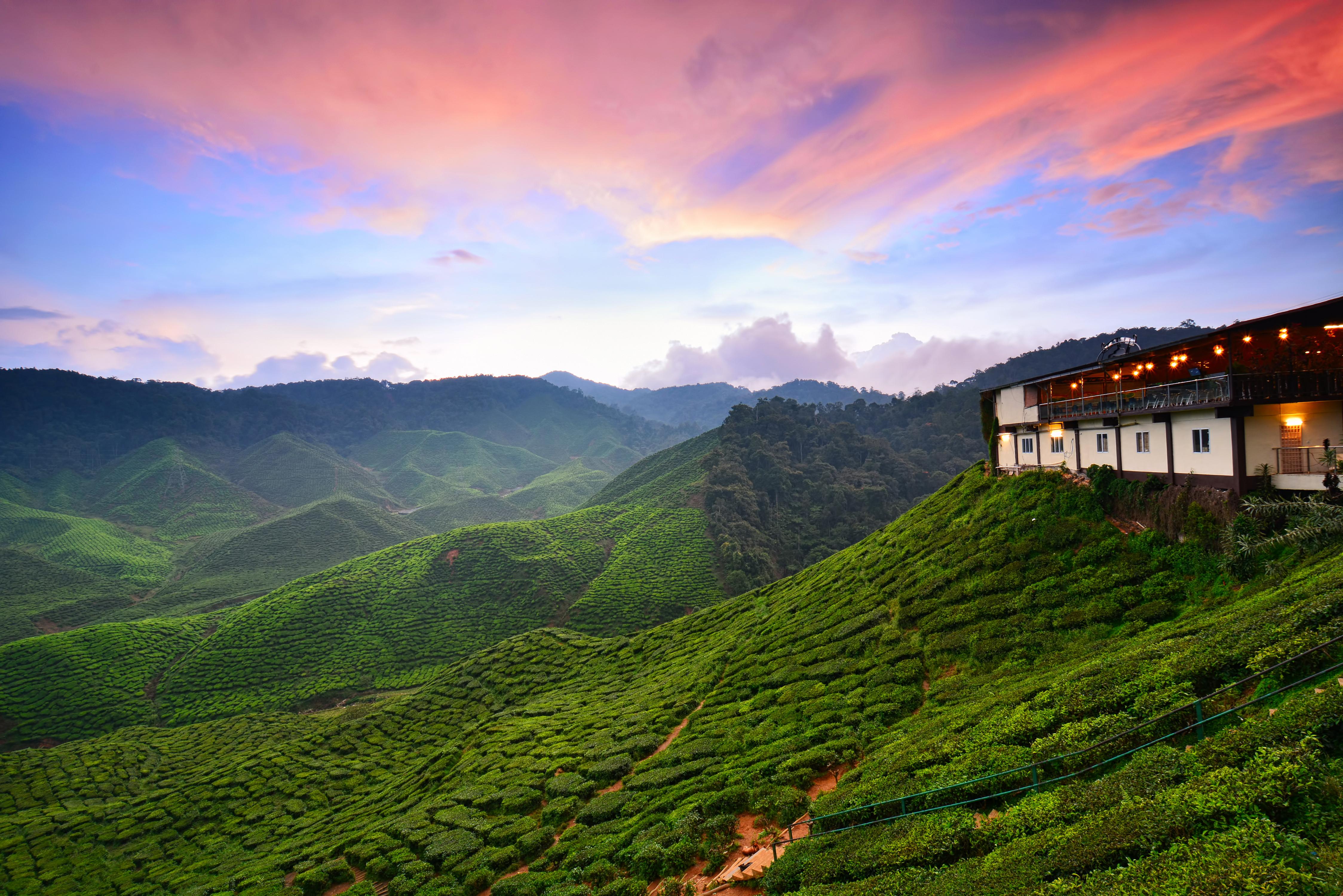
Few sights in Malaysia feel as iconic as the emerald terraces of the BOH Tea Centre.
Here, rolling hills ripple with endless rows of tea bushes, their sculpted curves following the natural contours of the mountains. In the early morning, mist lingers across the plantation while workers move quietly through the fields, plucking tender leaves by hand.
Visitors can walk through observation decks overlooking the terraces before entering the factory where the transformation begins. Fresh leaves are withered, rolled, oxidised, and dried through a meticulous process that turns them into the tea found in cups around the world.
The experience connects travellers to the entire lifecycle of tea, from the moment leaves are harvested to the moment they are brewed.
Nearby, the Cameron Valley Tea House offers another beautiful perspective on highland tea culture. Here, guests sip freshly brewed tea while overlooking vast plantations stretching across the valley floor.
It is a moment that captures the essence of farm-to-table travel. The tea in your cup was growing in the field only hours earlier.
Strawberry Fields Forever
Preview
Strawberries might not be the first fruit travellers associate with Southeast Asia, but in the cool climate of Cameron Highlands, they flourish.
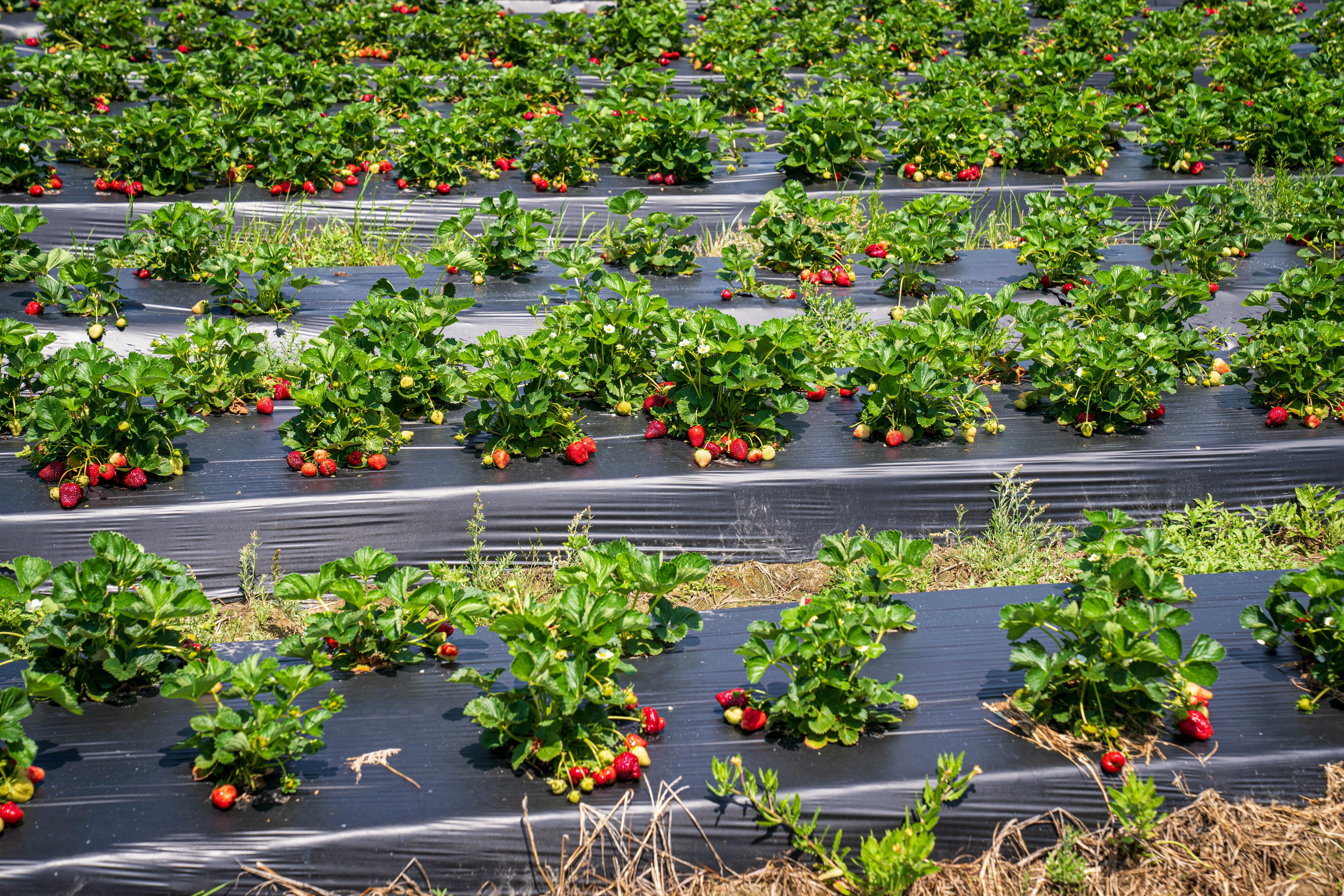
At the Big Red Strawberry Farm, visitors step into a greenhouse world where rows of bright red fruit grow in carefully managed hydroponic systems.
Instead of soil beds, plants thrive in elevated troughs where water and nutrients circulate efficiently. This modern method reduces environmental impact while producing berries that are consistently sweet and vibrant.
The joy of visiting a strawberry farm lies in its simplicity. Guests wander through rows of plants, picking ripe berries directly from the vine. The scent of fruit hangs lightly in the cool air, and the taste is unmistakably fresh.
Beyond the harvest, farms like Big Red showcase the future of Malaysian agriculture. Innovation meets sustainability, ensuring that agritourism experiences remain both enjoyable and environmentally responsible.
Organic Excellence in the Highlands
Preview
For travellers seeking deeper insight into organic farming, Cameron Highlands offers several farms dedicated to sustainable agriculture.
One of the most notable is Zenxin Organic Park, where vegetables grow without synthetic pesticides or chemical fertilisers.
The farm sits on mineral-rich soil shaped by centuries of volcanic and sedimentary activity. Combined with cool temperatures and high altitude sunlight, these conditions produce vegetables with exceptional nutrient density.
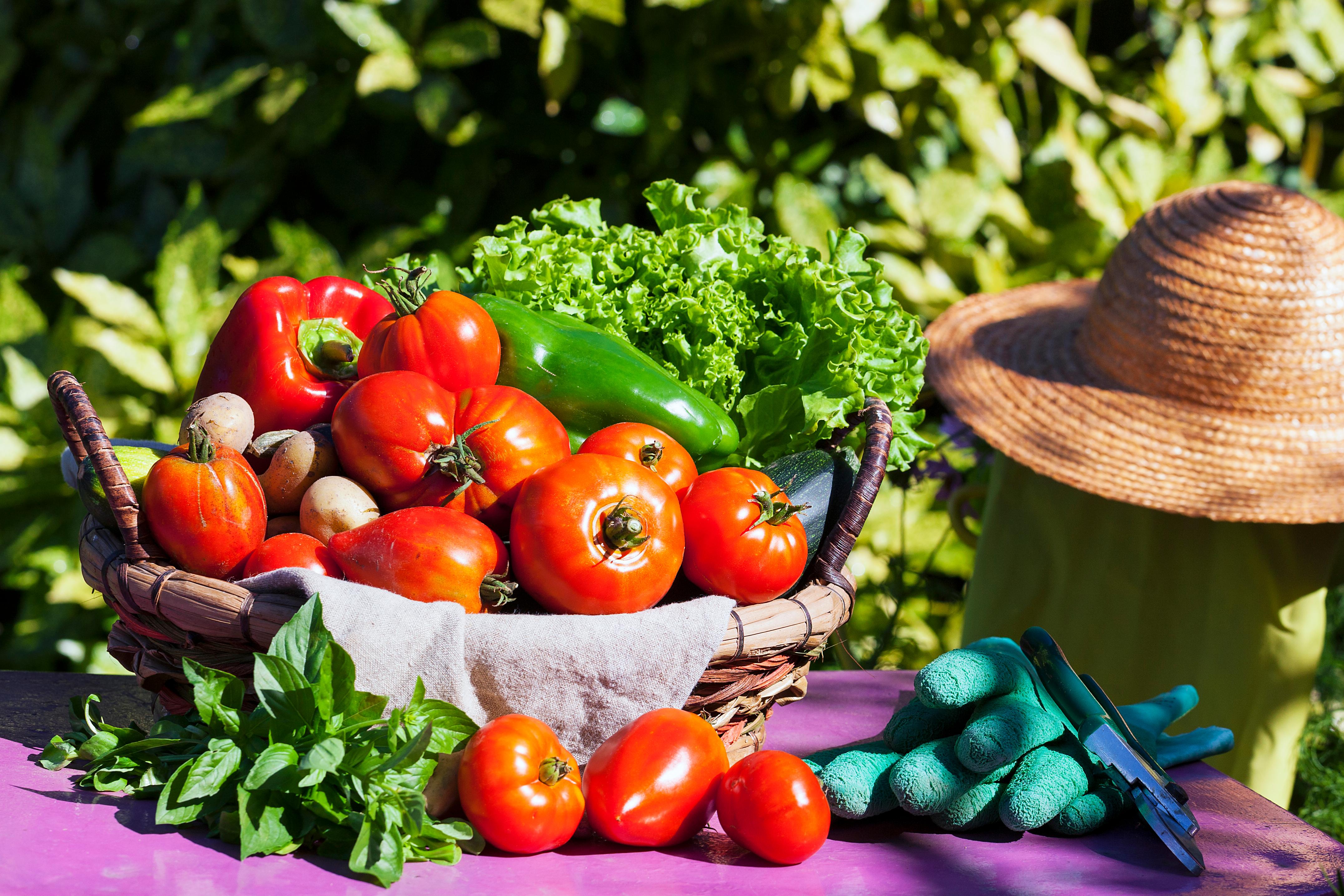
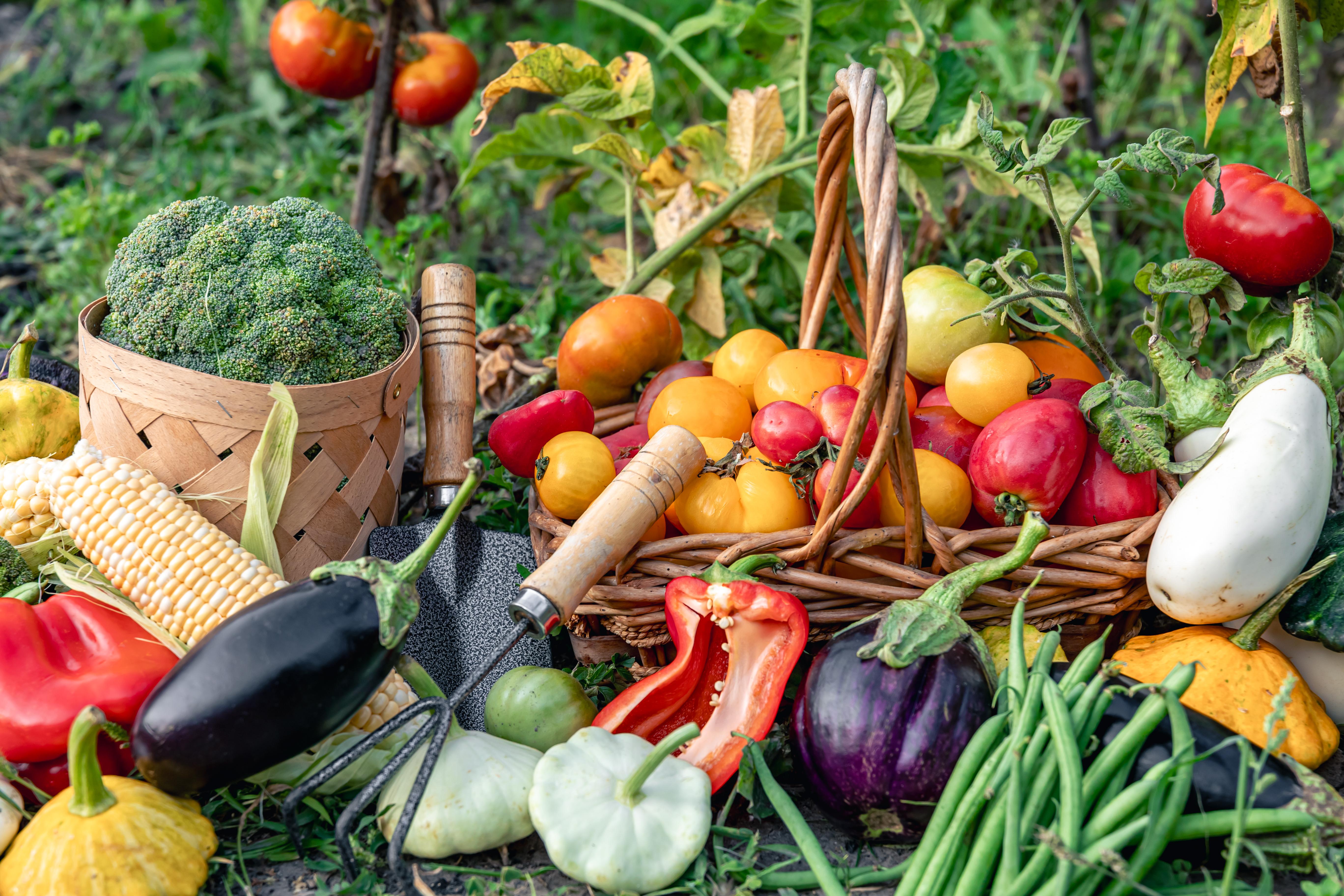
Visitors walking through the fields might notice rows of kale, butterhead lettuce, cherry tomatoes, and herbs thriving under careful cultivation. The crunch of frost-kissed lettuce and the earthy scent of fresh soil create a sensory connection to the land.
Organic farms in Cameron Highlands demonstrate how sustainable methods can preserve ecosystems while producing high-quality food.
For many travellers, this part of the journey becomes the most meaningful. Seeing the soil, meeting the farmers, and tasting vegetables harvested that morning transforms the way we think about food.
The New Culinary Altitude: Genting Highlands and Janda Baik
Preview
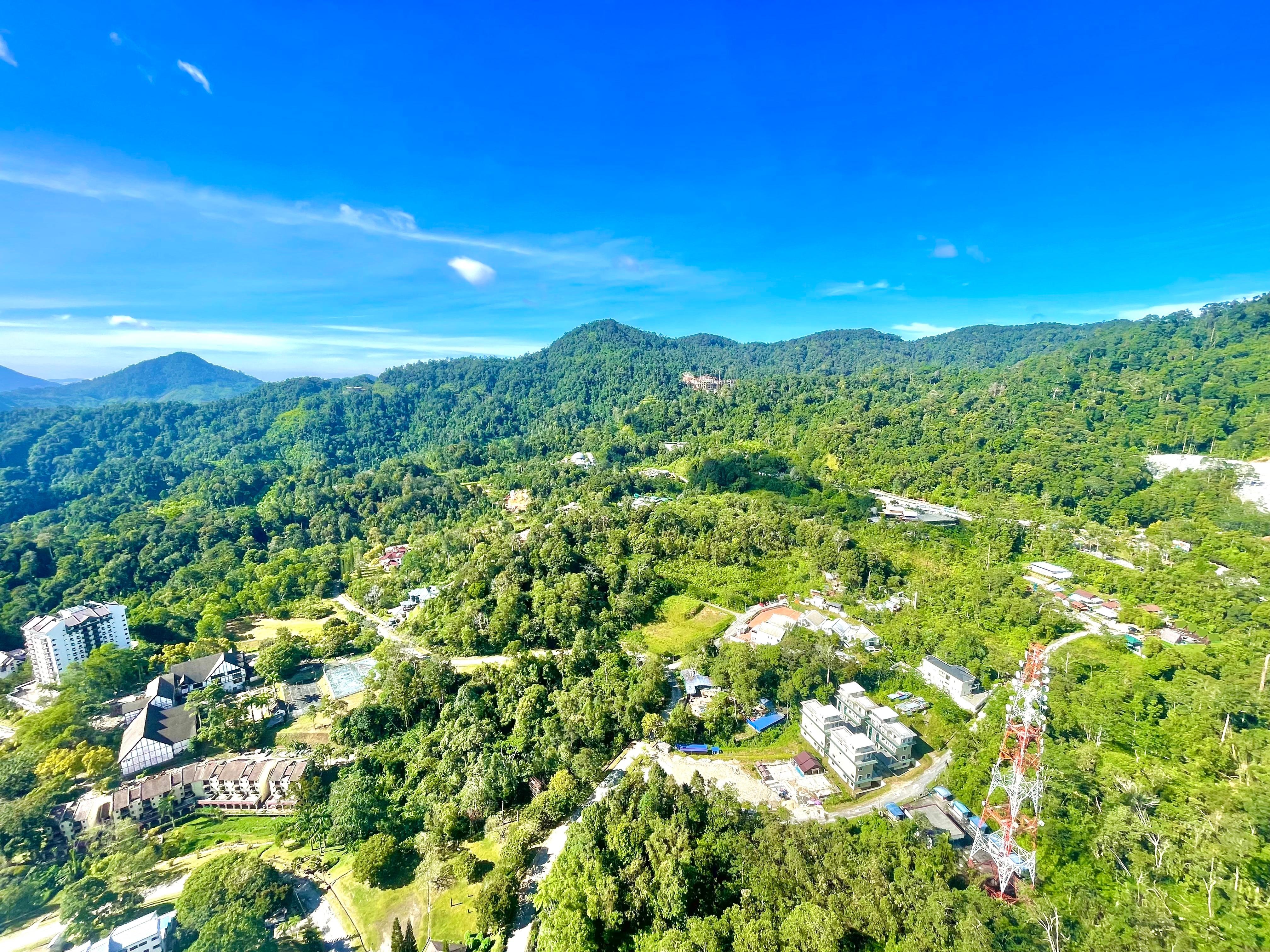
While Cameron Highlands remains the epicentre of agritourism, nearby mountain destinations are quietly building their own farm-to-table identities.
In recent years, Genting Highlands has evolved beyond its reputation for entertainment and casinos.
Today, the surrounding hills are home to agricultural initiatives that blend tourism with local produce.
One example is the Genting Strawberry Leisure Farm, where visitors explore indoor gardens filled with strawberries, mushrooms, herbs, and vegetables grown in controlled environments.
The farm demonstrates how technology can support agriculture in challenging mountain terrain, offering educational insights alongside hands-on harvesting experiences.
But the story does not end in the fields. It continues in the kitchens.
High-end restaurants within Resorts World Genting are increasingly sourcing ingredients directly from nearby farms. At establishments such as FUHU Restaurant, chefs incorporate regional produce like Bentong ginger, Cameron chives, and fresh highland vegetables into refined culinary creations.
The result is a dining experience that reflects the surrounding landscape.
Just a short drive away lies Janda Baik, a quiet valley known for its eco retreats and boutique farms.
Here, travellers find small fig orchards, organic vegetable plots, and countryside lodges designed for slow living. The atmosphere feels intimate and restorative, ideal for those seeking peaceful wellness retreats combined with culinary exploration.
In these mountain communities, food becomes a bridge between nature and culture.
Why Sustainable Travel Matters in 2026
Preview
Travel choices have consequences. The food we eat while travelling, the tours we choose, and the businesses we support all shape the landscapes we visit.
Choosing farm-to-table experiences helps reduce the environmental cost of tourism. Locally grown produce travels shorter distances, reducing carbon emissions associated with transportation and refrigeration.
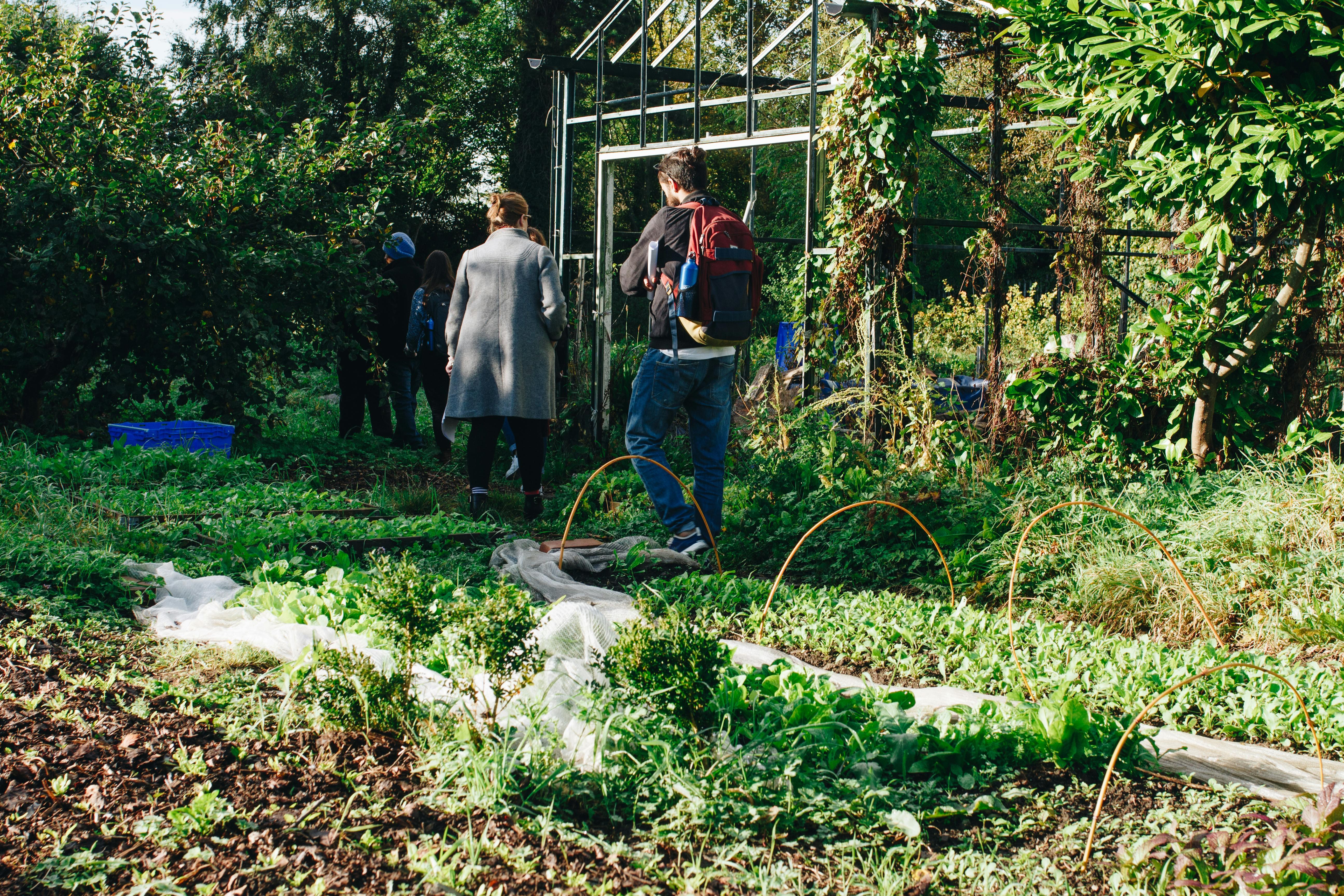
This approach also supports small farmers who dedicate their lives to cultivating the land. In regions like Cameron Highlands and Janda Baik, agritourism provides an additional income stream that helps sustain rural livelihoods.
For indigenous communities such as the Orang Asli, sustainable tourism creates opportunities to share traditional agricultural knowledge while preserving cultural heritage.
These initiatives align closely with Malaysia’s broader vision for Visit Malaysia 2026, where tourism growth is balanced with environmental stewardship.
For LAGO, this philosophy resonates deeply. Thoughtful design in travel means creating journeys that respect landscapes, empower communities, and enrich travellers.
Farm-to-table tours are a perfect example of that balance. They transform a meal into a story about soil, climate, and culture.
Practical Guide for the Modern Foodie
Planning a highland culinary journey requires a little preparation.
The best months to visit Cameron Highlands are typically between February and April, and again from June to September. These periods offer clearer skies and fewer heavy rains.
Weekdays are also recommended, as weekend traffic from Kuala Lumpur can slow travel considerably. Temperatures in the highlands hover around 18°C to 22°C, so packing light layers is essential. A thin jacket, comfortable walking shoes, and a small daypack for farm visits will make exploration easier.
For travellers seeking authentic experiences rather than crowded tourist stops, working with a curated travel specialist can make a significant difference.
LAGO designs customised itineraries that include private farm tours, guided tea estate visits, and culinary experiences that connect travellers directly with growers and chefs.
This ensures that your journey remains immersive, meaningful, and free from the typical tourist traps.
A Taste of the Clouds
Preview
The Malaysian highlands offer something increasingly rare in modern travel: food that tells the story of its landscape.
From the floral aroma of freshly plucked BOH tea to the crunch of vegetables grown in mist-cooled soil, every bite reflects the mountain environment.
As Visit Malaysia 2026 approaches, these emerald hills invite travellers to rediscover the pleasure of eating close to nature.
To begin your own highland culinary adventure, explore curated journeys at LAGO Travel and let LAGO design your perfect farm-to-table escape.