


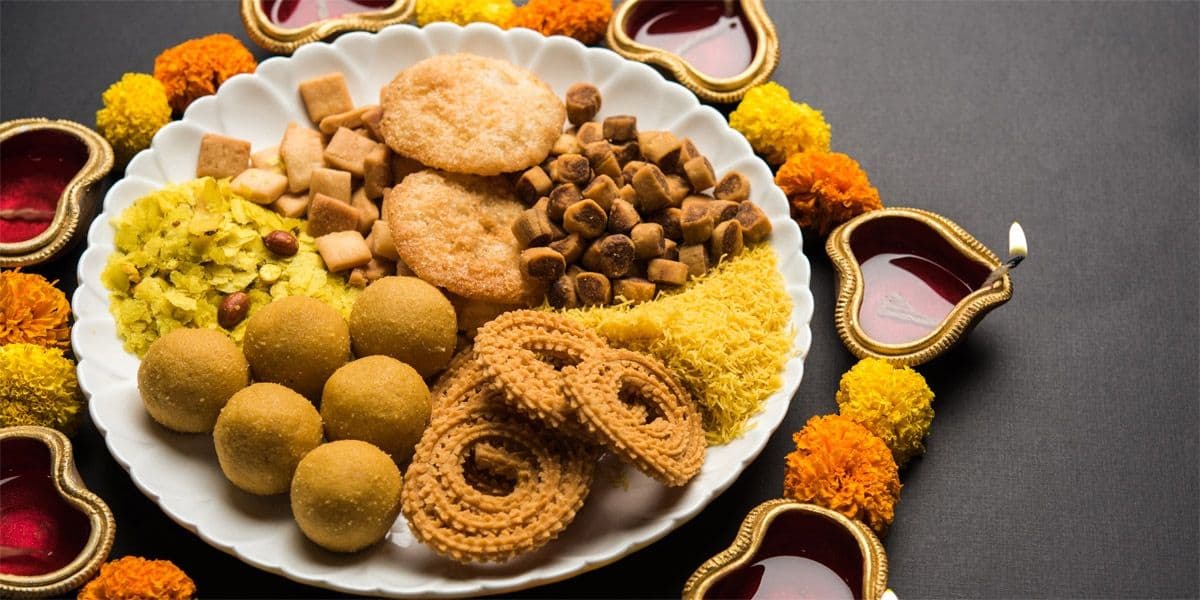
Deepavali on a Plate – Malaysia’s Festive Flavours
When the Festival of Lights arrives, Malaysia glows not only with rows of lamps and colourful kolams but also with the unmistakable fragrance of spices, sugar, and ghee wafting from kitchens. Deepavali, also known as Diwali, is as much a culinary celebration as it is a spiritual one. Families gather around tables overflowing with sweets and savouries, each dish carrying a story, a tradition, and a taste of home.
In Malaysia, Deepavali delicacies are a feast for the senses. They blend South Indian heritage with local creativity, making every bite a reminder of family, faith, and festivity. Let’s take a food journey through the dishes that define Deepavali on a plate.
Laddu – Sweet Spheres of Joy
Preview
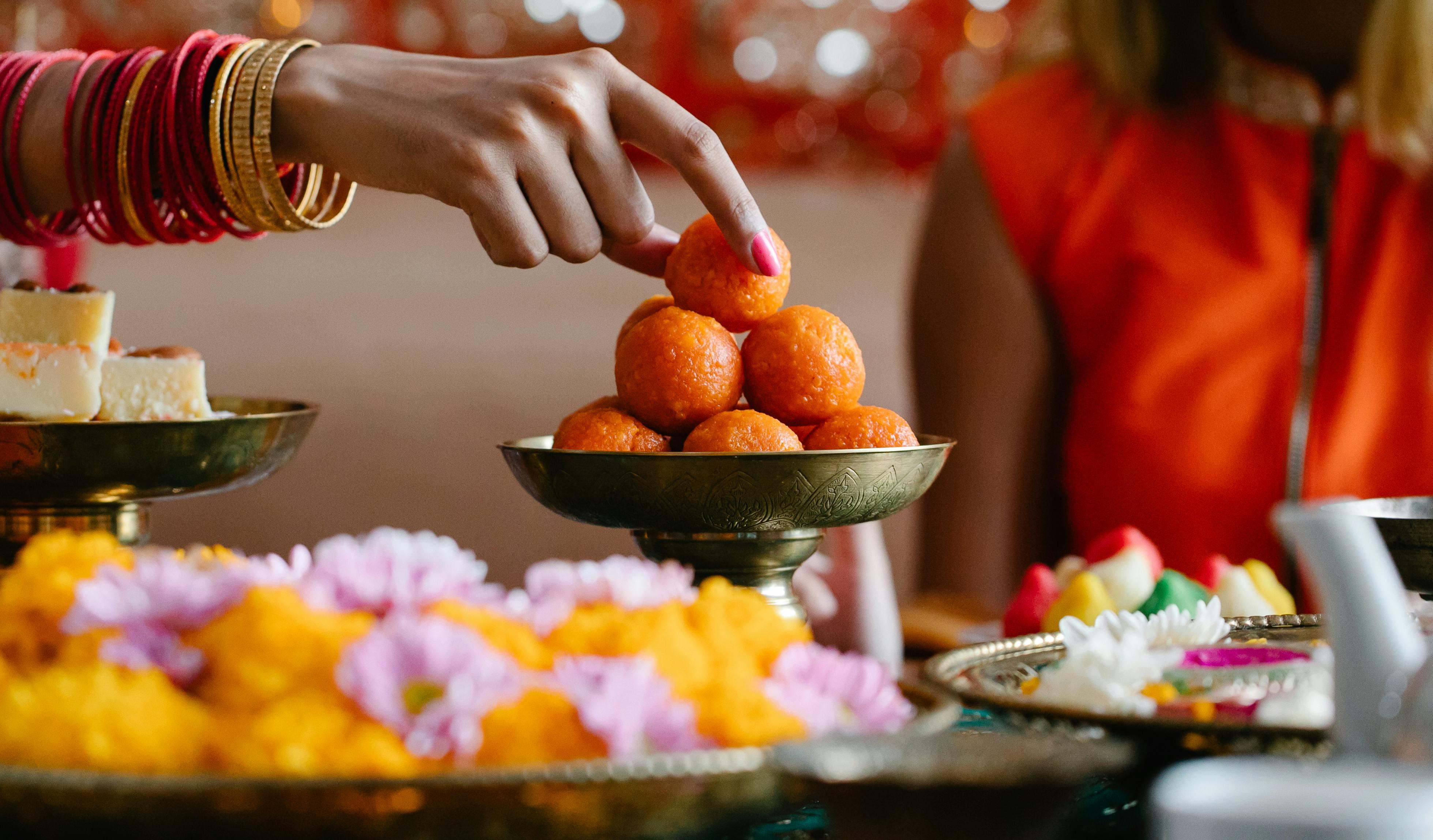
No Deepavali platter is complete without laddu — golden, round sweets made from flour, sugar, and ghee. Traditionally crafted from besan (chickpea flour), laddus are often flavoured with cardamom and sprinkled with nuts.
Fun fact: In Indian culture, laddus are often served at weddings, festivals, and even exam celebrations because they symbolise good fortune.
In Malaysia, families prepare large trays of laddus to share with relatives and friends. Children often sneak a few before the guests arrive, leaving behind guilty smiles and sticky fingers.
Murukku – The Crunch That Everyone Loves
Preview
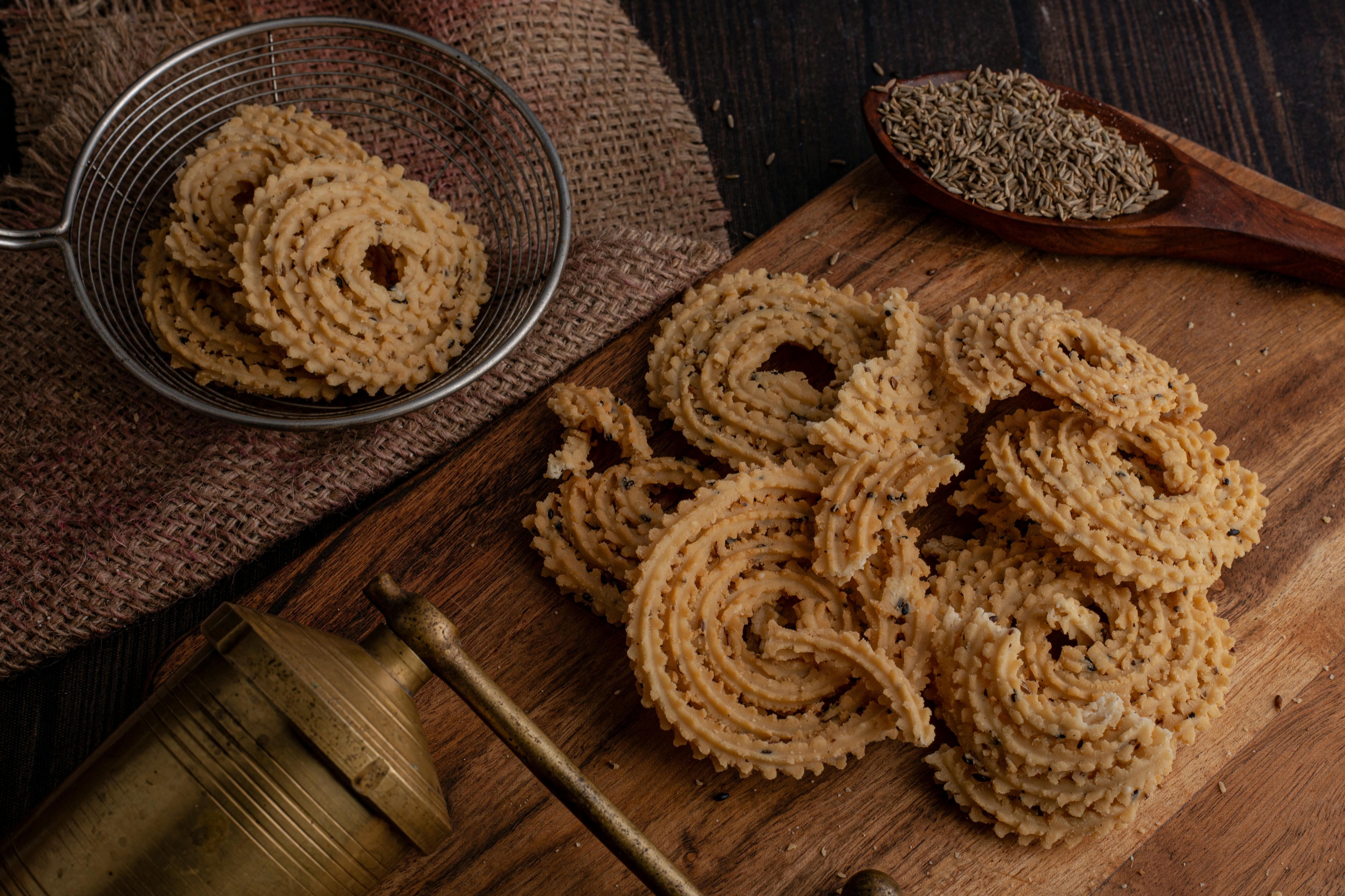
If laddus are the star of the sweet tray, murukku reigns supreme on the savoury side. These crunchy spirals are made from a combination of rice flour and urad dal flour, and are deep-fried until golden brown.
Fun fact: The name murukku means “twisted” in Tamil, referring to its coiled shape.
In Malaysia, murukku comes in many variations — spiced with curry leaves, sesame seeds, or even chilli powder for extra kick. Once you start munching, it’s nearly impossible to stop. Families usually prepare buckets of murukku well in advance of Deepavali, ensuring there’s enough to last through the open-house season.
Jilebi – Sweet Swirls of Happiness
Preview
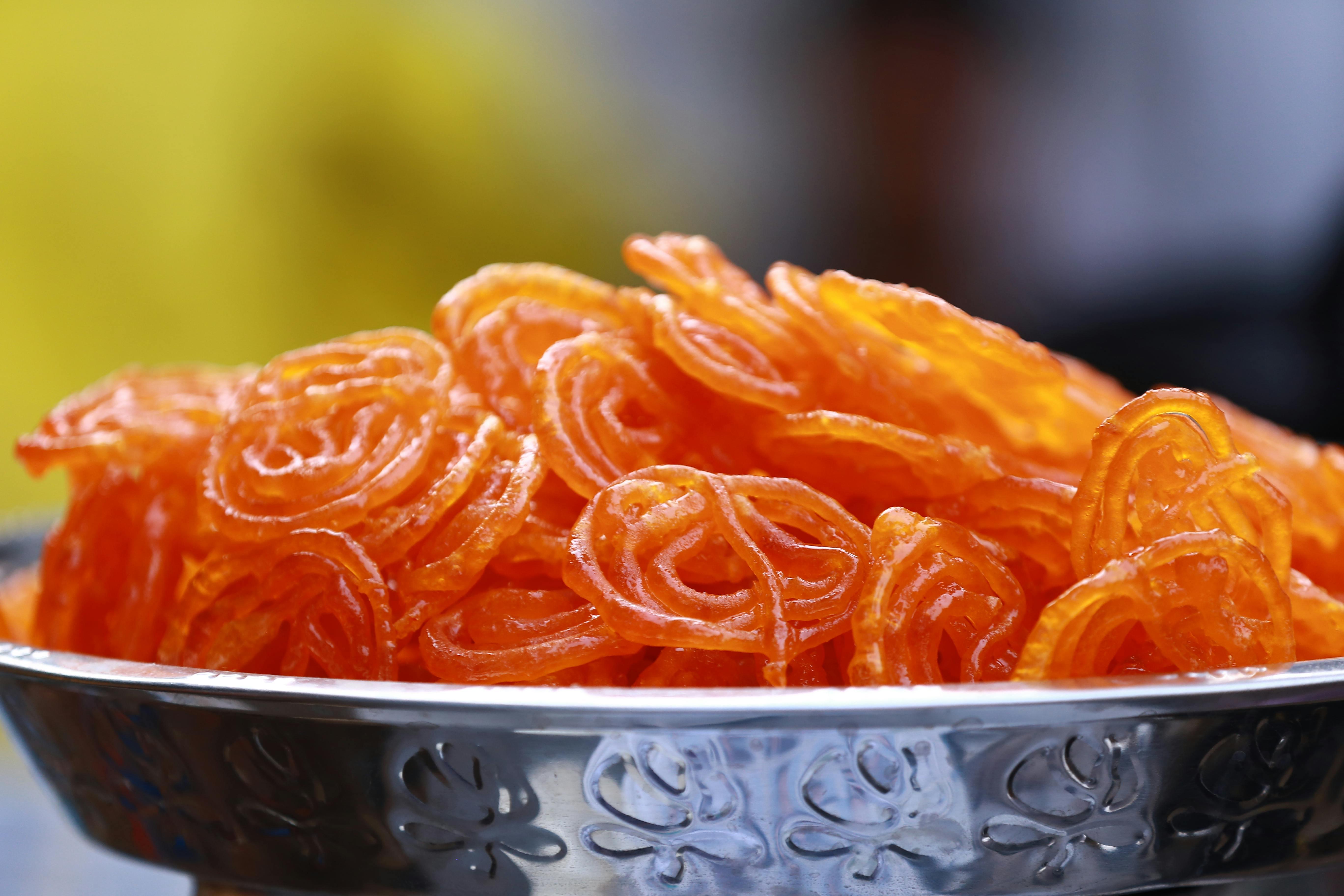
Bright orange, sticky, and oh-so-delicious, jilebi (jalebi) is a Deepavali favourite. Made by piping fermented flour batter into hot oil and soaking the crispy spirals in sugar syrup, jilebi is as fun to make as it is to eat.
Fun fact: In India, jalebi is often enjoyed with milk or curd for breakfast. In Malaysia, though, it’s purely a festive treat.
Kids love the sticky sweetness, and adults can’t resist the nostalgic crunch that reminds them of their own childhood festivals.
Samosas – Pockets of Savoury Delight
Preview
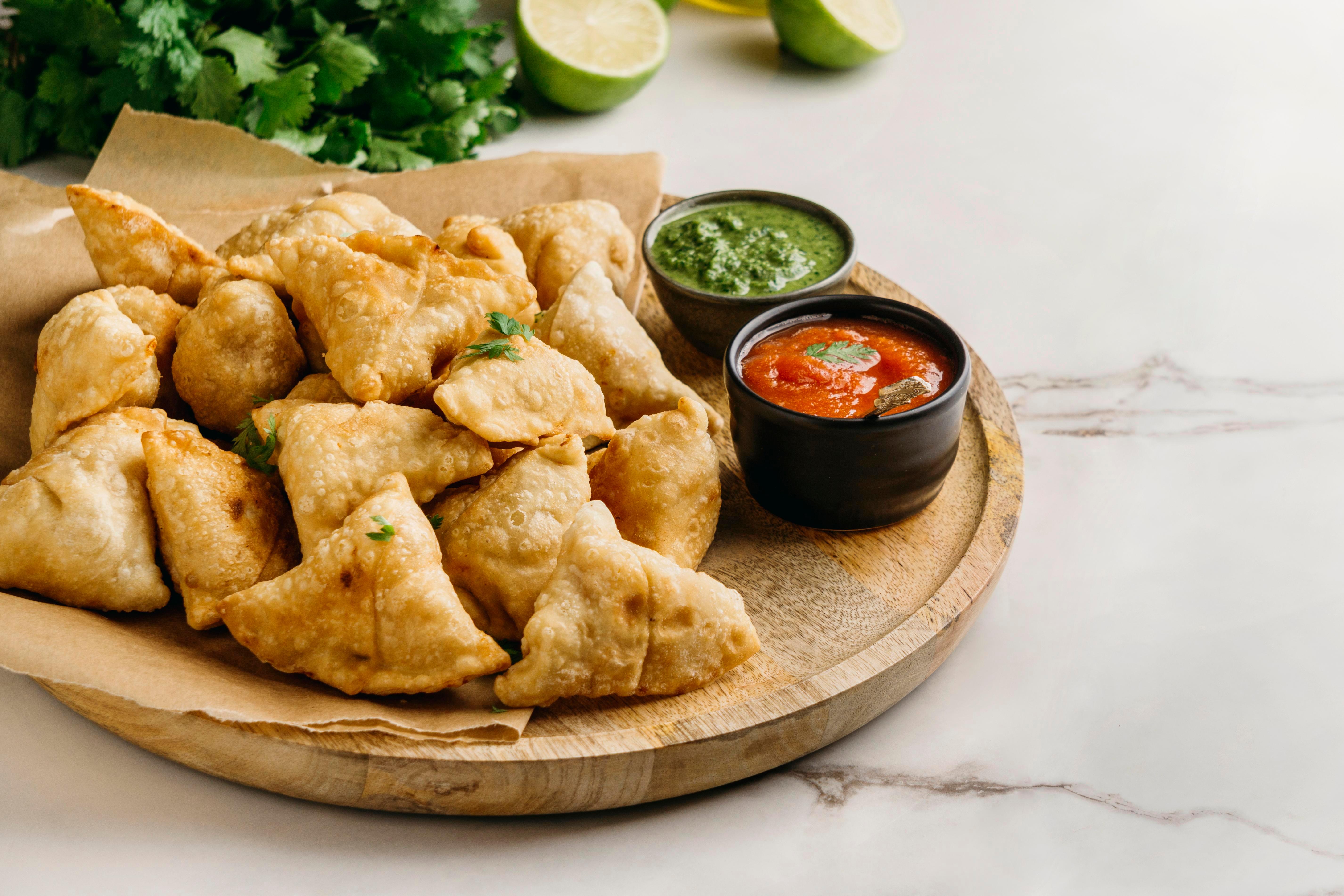
Deepavali isn’t all about sweets — savoury snacks like samosas also play a starring role. These triangular pastries are filled with spiced potatoes, peas, and sometimes minced meat, then fried until crisp.
Fun fact: Samosas have their roots in the Middle East and were introduced to India through centuries-old trade routes.
In Malaysia, samosas are a favourite not just during Deepavali but also at pasar malams (night markets). During the festival, however, they take on special meaning — folded carefully by hand, fried in big batches, and served to guests alongside steaming cups of teh tarik.
Mysore Pak – The Buttery Indulgence
Preview
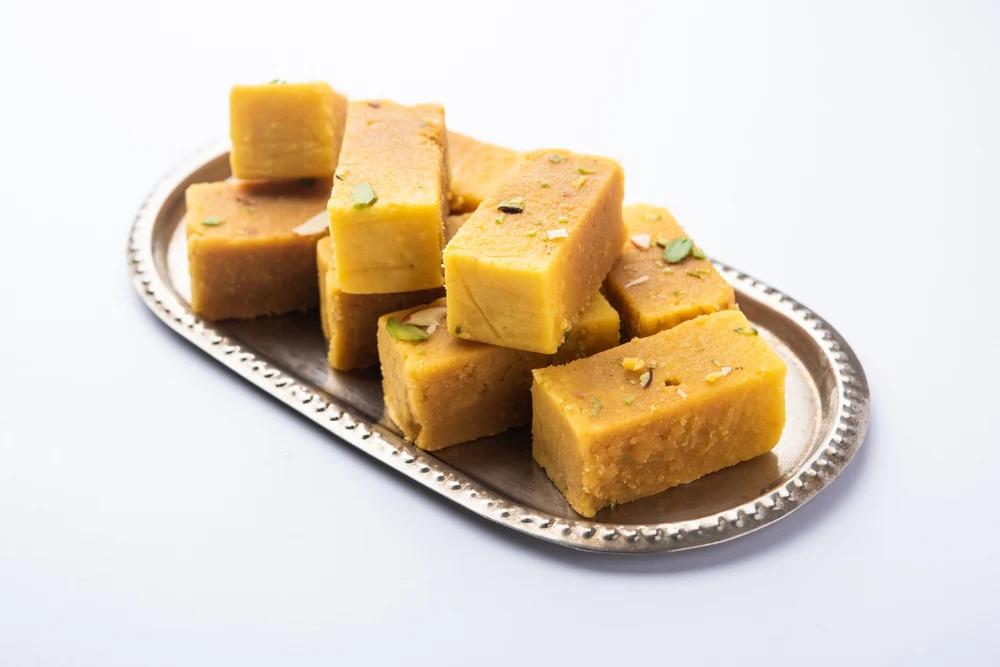
Rich, crumbly, and melt-in-your-mouth, Mysore Pak is one of the most indulgent sweets for Deepavali. Made from ghee, chickpea flour, and sugar, it was reportedly created in the royal kitchens of Mysore, India.
Fun fact: The name comes from “Mysore,” the city of its origin, and “pak,” meaning sweet concoction.
In Malaysia, Mysore Pak is a festival staple, often cut into diamond shapes and stored in tins. Each bite feels like a celebration, heavy with ghee and love.
Achu Murukku – The Festive Flower Cookie
Preview
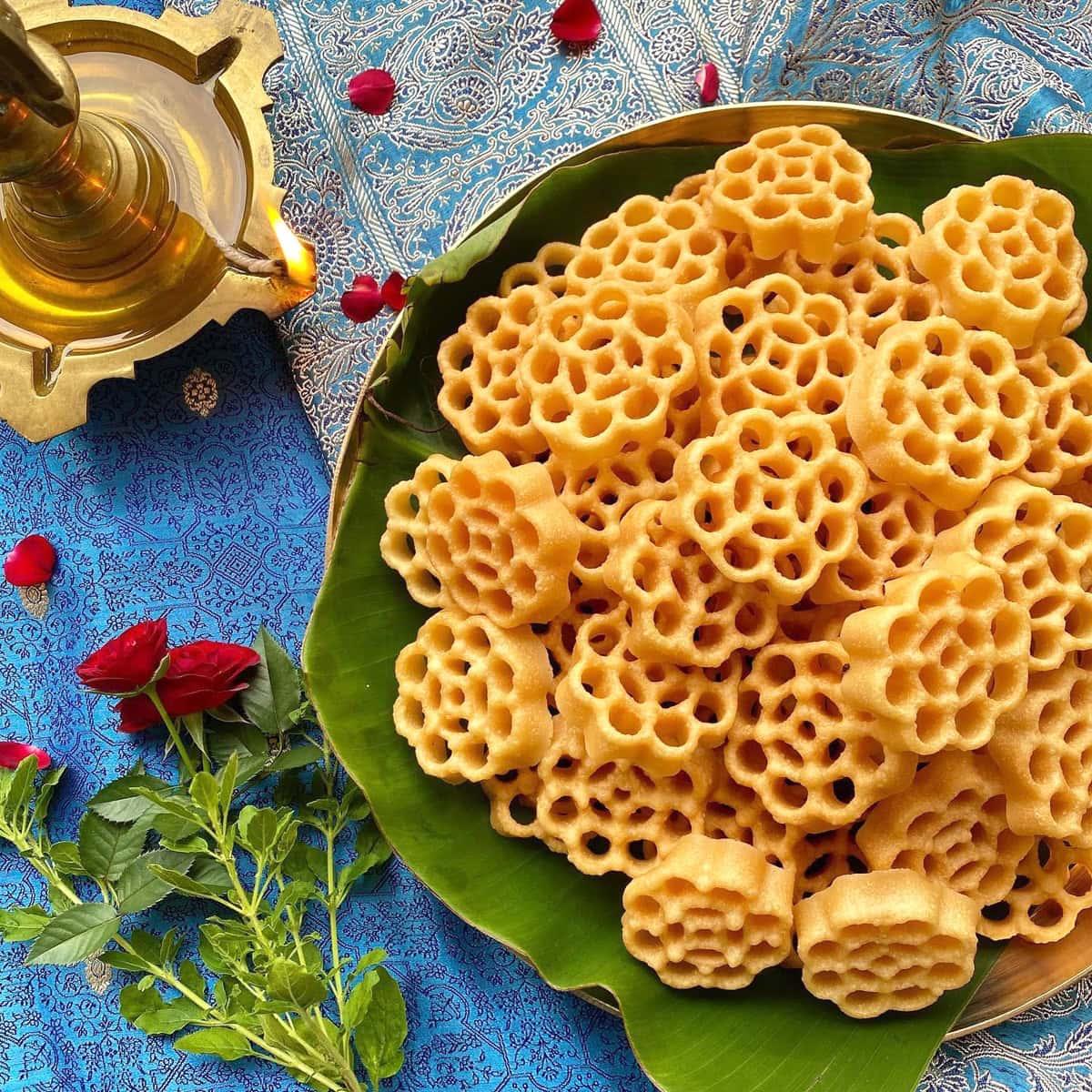
Another favourite in Malaysian Indian households is Achu Murukku, also known as rose cookies or kuih ros. Made from rice flour, coconut milk, and sugar, these delicate, crispy treats are shaped like flowers using a special mould.
Fun fact: Achu Murukku is believed to have been influenced by Portuguese colonists in India, blending European technique with Indian flavours.
These cookies are especially popular with children due to their unique shapes and light, airy texture. Families often prepare them in advance to serve guests alongside murukku and sweets.
Gulab Jamun – Sweet Soaked Goodness
Preview
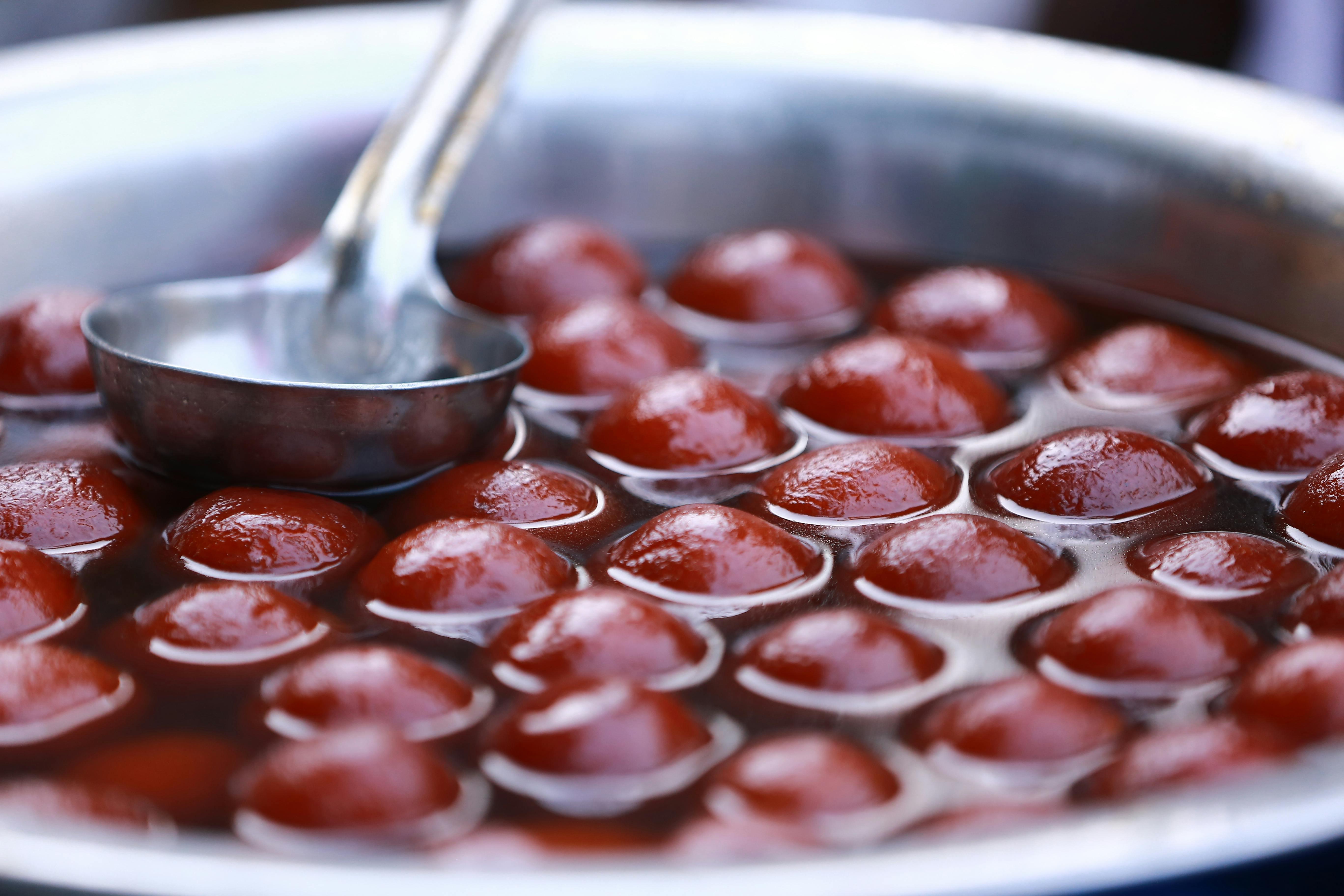
If there’s one dessert that never fails to impress, it’s Gulab Jamun. These deep-fried dough balls, made from milk solids, are soaked in a cardamom-infused sugar syrup.
Fun fact: The name translates to “rose berry,” referring to its rose-flavoured syrup and berry-like shape.
In Malaysia, gulab jamun is a highlight of any Deepavali open house. Served warm, it pairs beautifully with a cup of masala chai or coffee, leaving guests smiling (and usually reaching for seconds).
Curry Puffs – The Malaysian Twist
Preview
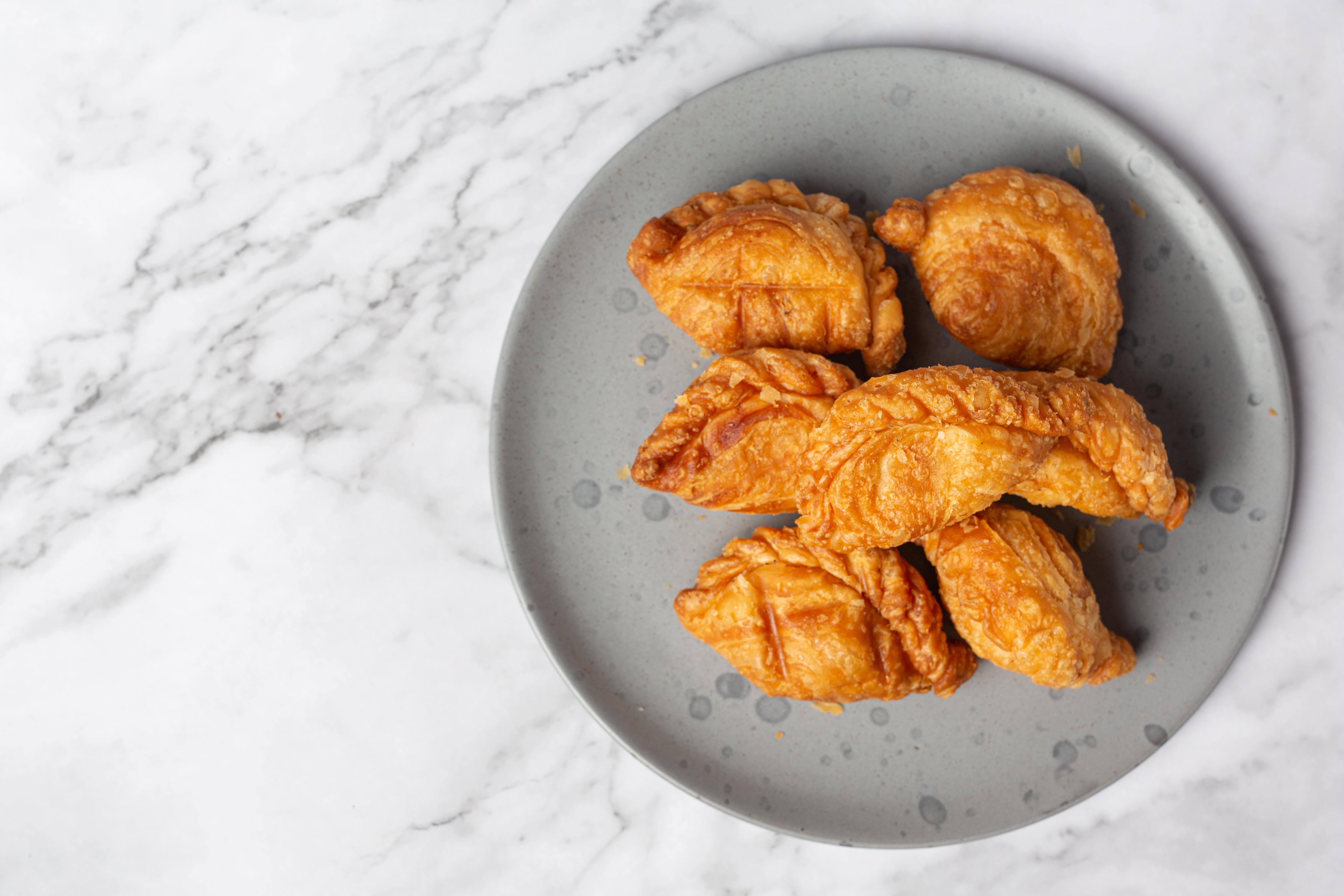
While not traditionally Indian, curry puffs have found their way into Deepavali spreads thanks to Malaysia’s multicultural influence. Filled with spicy potato curry or sardine sambal, these flaky pastries add a local twist to the festive feast.
Fun fact: Curry puffs are believed to be Malaysia’s answer to the Cornish pasty, adapted with local spices and flavours.
Their inclusion in Deepavali menus demonstrates how Malaysian Indians blend their heritage with local culture, creating a festival that’s truly Malaysian.
Payasam – Sweet Porridge of Celebration
Preview
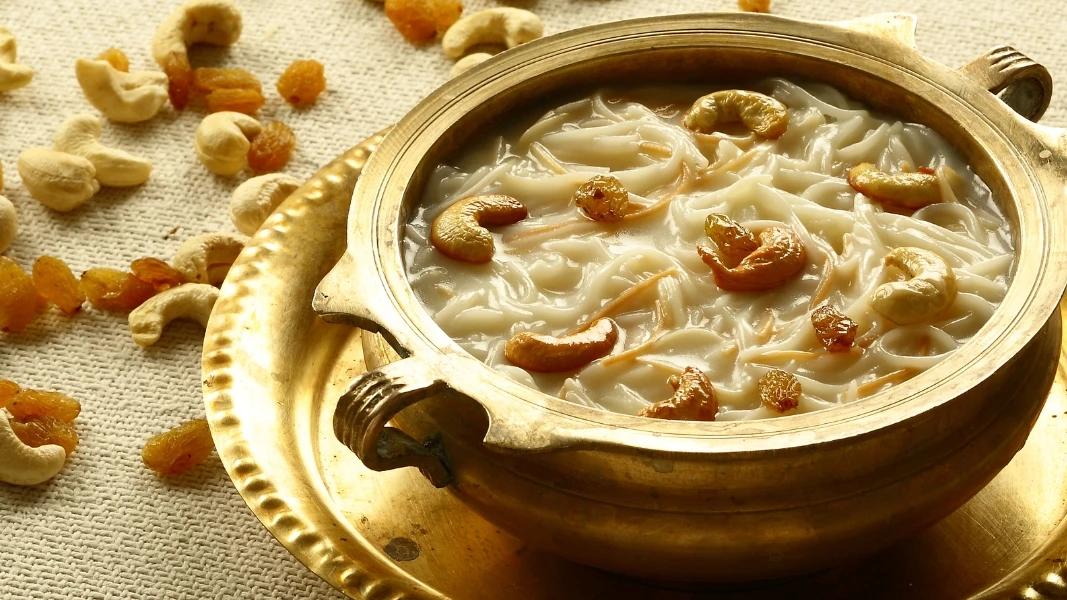
Payasam, also known as kheer, is a traditional South Indian dessert made with milk, rice (or vermicelli), sugar, and clarified butter (ghee). Flavoured with cardamom and garnished with cashews and raisins, it’s often served warm in small bowls.
Fun fact: Payasam is not just a festive food — it’s also prepared for temple offerings and special prayers.
In Malaysia, payasam is a symbol of hospitality. Offering a bowl to a guest during Deepavali is a way of saying, “You are family.”
Modern Deepavali Treats – Fusion & Fun
Preview
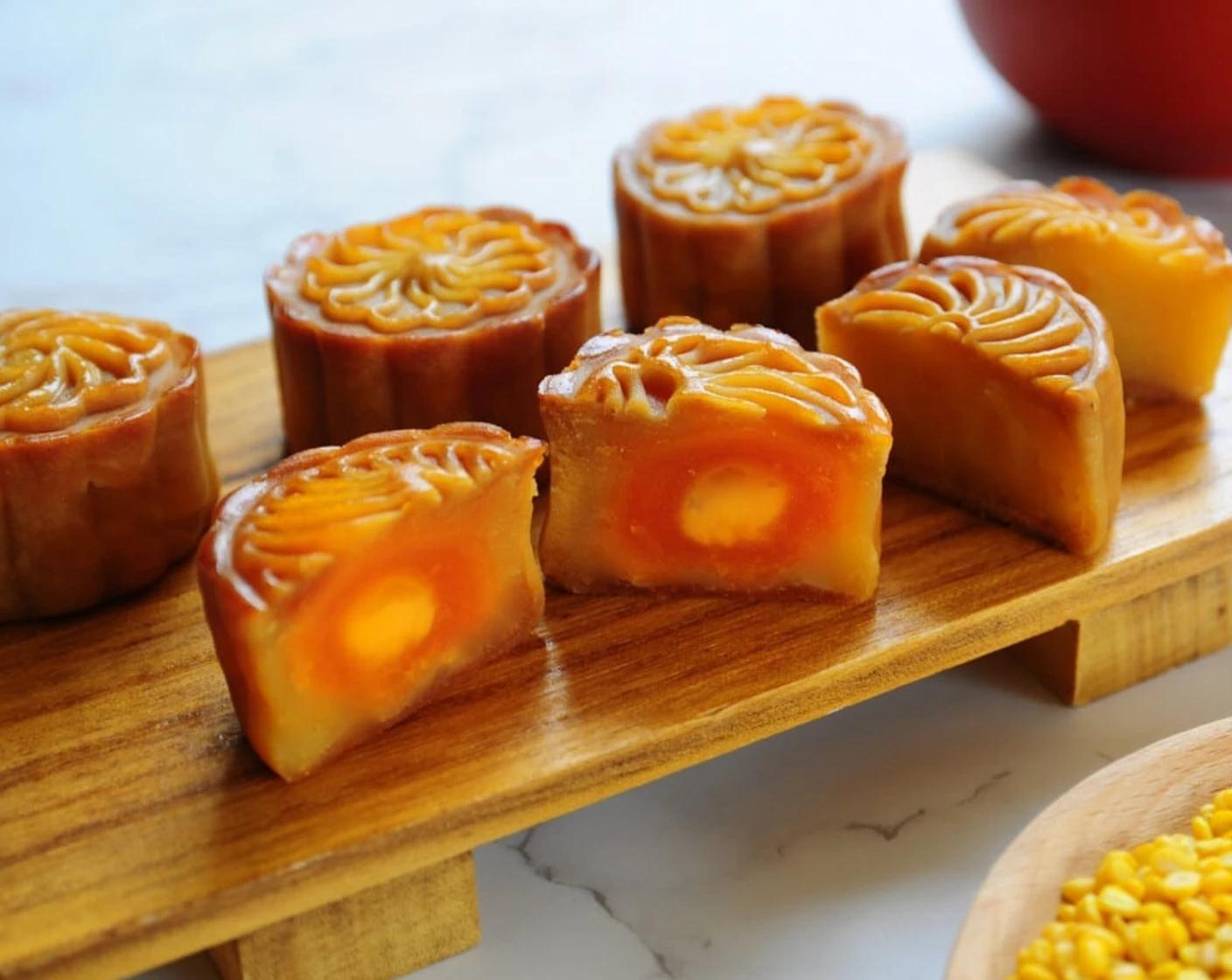
Deepavali in Malaysia also embraces modern tastes. Alongside traditional sweets, you might find:
- Chocolate laddus for kids.
- Durian mooncakes given as crossover gifts.
- Snow-skin sweets inspired by Chinese traditions.
This mix of old and new keeps the festival fresh and inclusive, appealing to younger generations while honouring heritage.
The Warmth of Sharing Food
Preview
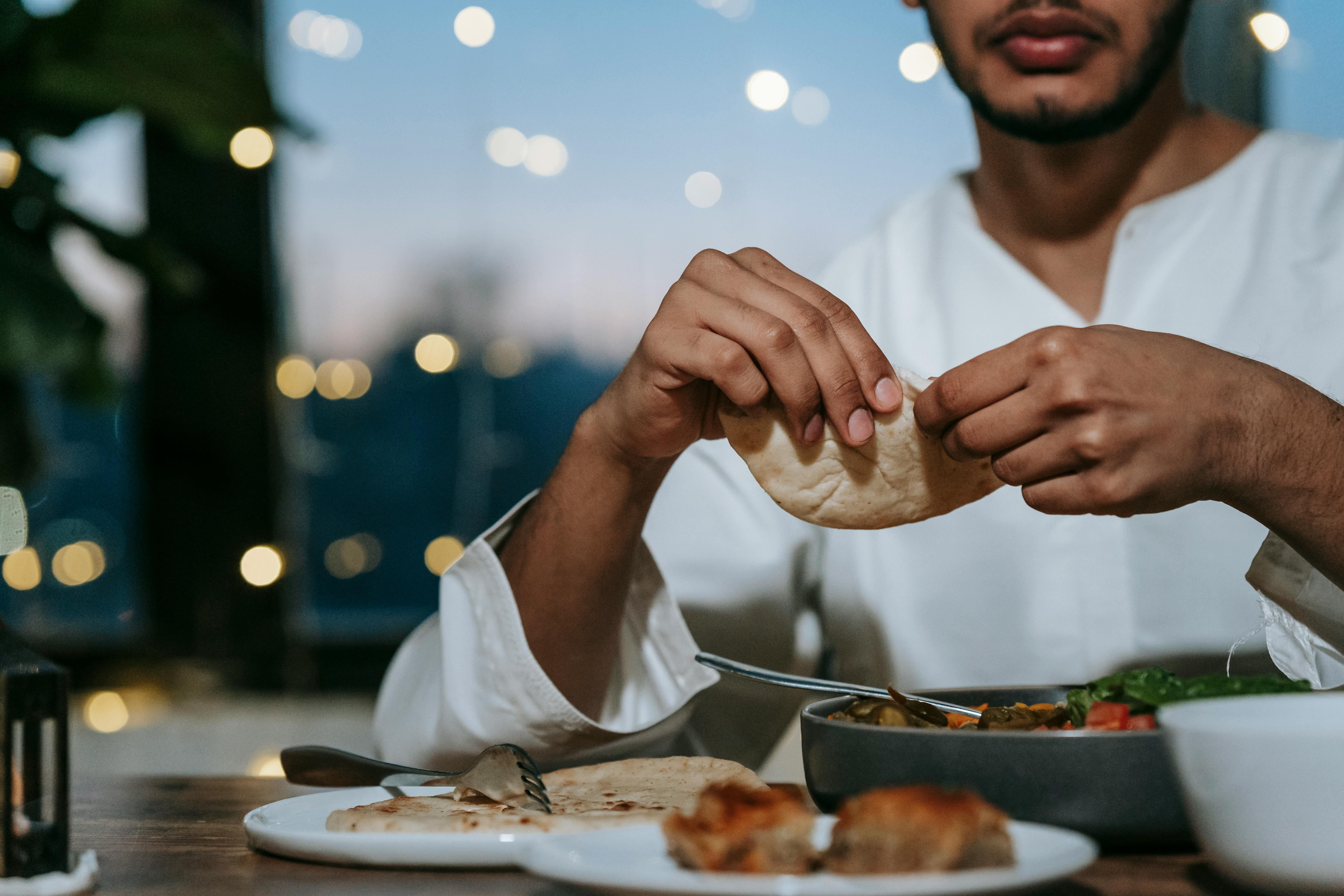
At the heart of it all, Deepavali’s festive table is not just about the food — it’s about sharing. Families prepare extra so there’s enough for guests, neighbours, and even strangers who stop by during open houses.
The act of giving food reflects the festival’s more profound message:
- To spread light, love, and generosity.
- To bring communities together, regardless of background.
- To ensure no one feels left out during this season of joy.
How to Experience Deepavali Food in Malaysia
Preview
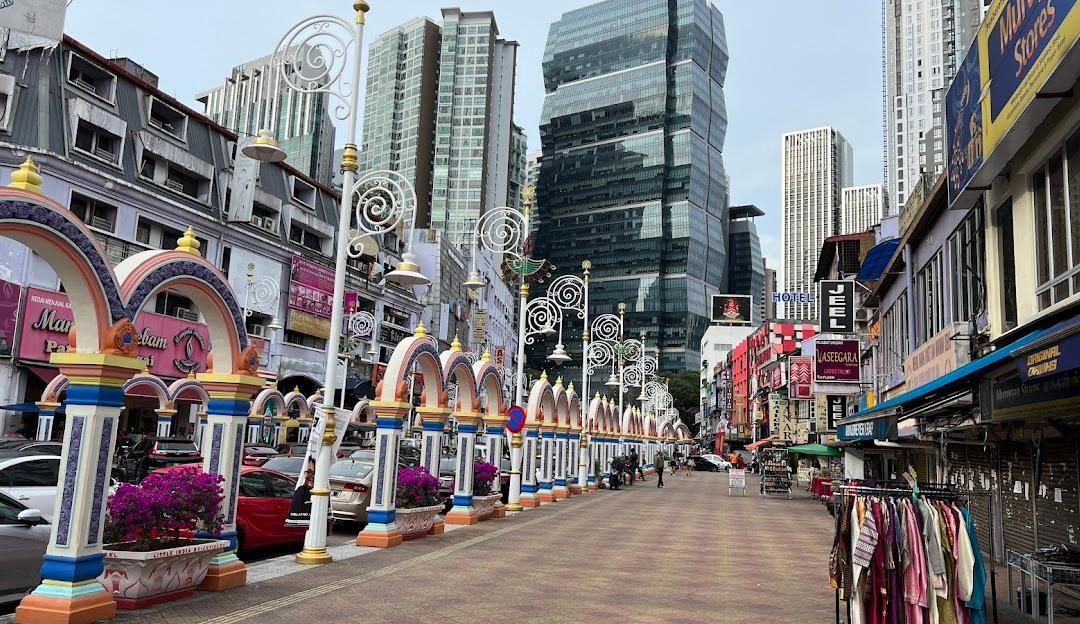
- Visit Little India districts in Brickfields (KL), Penang, or Johor for festive bazaars.
- Say yes to everything—from laddus to murukku —you won’t regret it.
- Join an open house if invited — it’s the best way to experience authentic festive hospitality.
- Shop early for sweets, as popular favourites sell out fast.
Why We Love Deepavali on a Plate
Preview
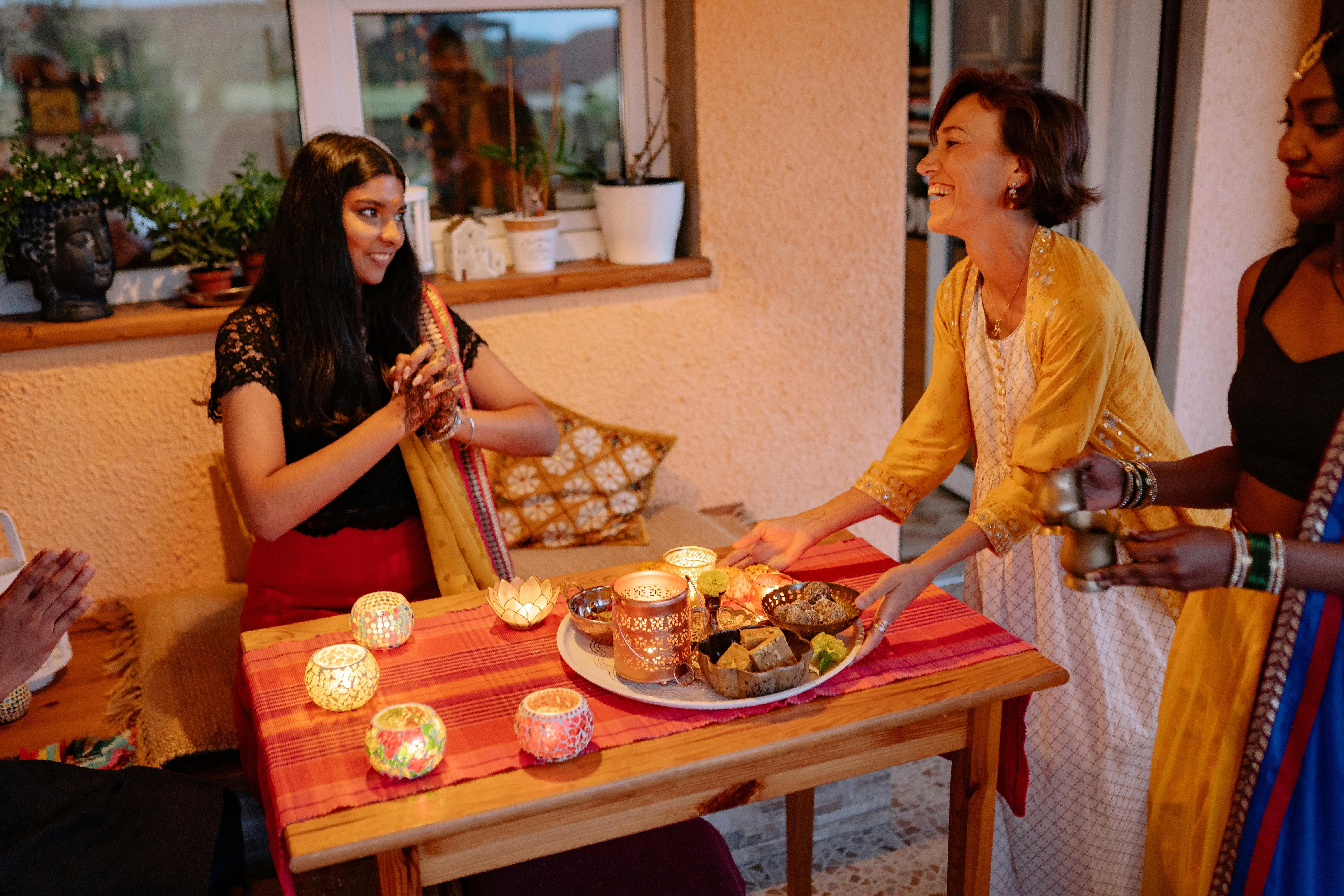
Every sweet, every savoury, every snack prepared during Deepavali tells a story. From the golden crunch of murukku to the soft richness of gulab jamun, each dish represents a piece of Indian culture and the joy of celebration in Malaysia’s multicultural society.
Deepavali on a plate isn’t just food — it’s heritage, love, and community, served generously.
Final Thoughts – A Festival Best Shared
Preview
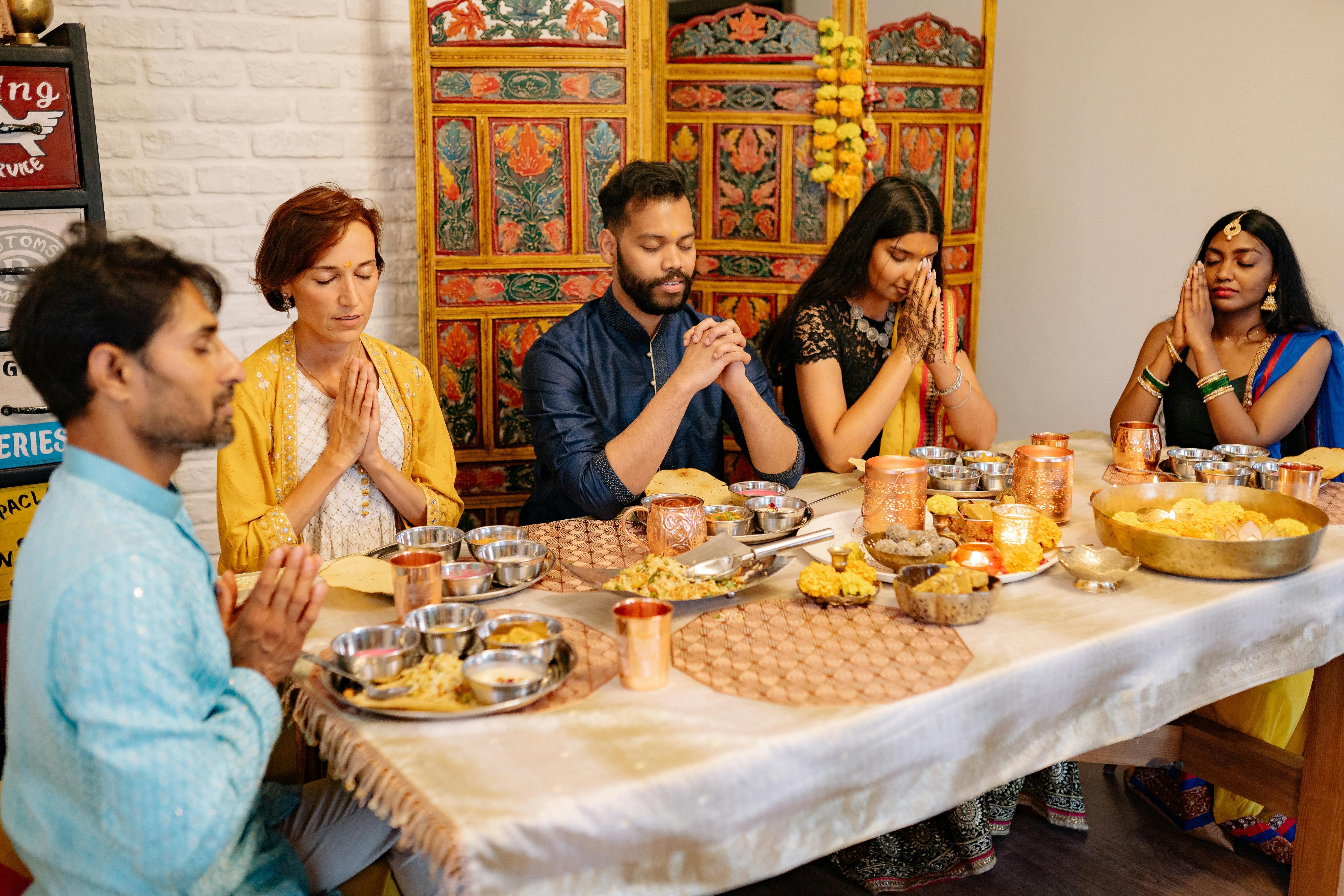
As families light their lamps and gather around tables laden with sweets and savouries, Deepavali in Malaysia becomes more than a festival — it’s a reminder of the warmth that comes from sharing.
So this year, whether you’re nibbling on a crunchy murukku or savouring a syrup-soaked gulab jamun, take a moment to appreciate the flavours, the stories, and the people around you. Because at the end of the day, Deepavali is best celebrated with light, laughter, and love on every plate.
Selamat Hari Deepavali from LAGO Travel!